• Contact info@abtriva.com for inquiries and orders.
  • Chinese (Simplified)

  • English

  • German

  • Korean

  • Spanish

United States (English / $ USD)

NTHL1 Recombinant Monoclonal Antibody

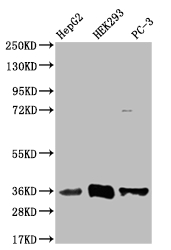
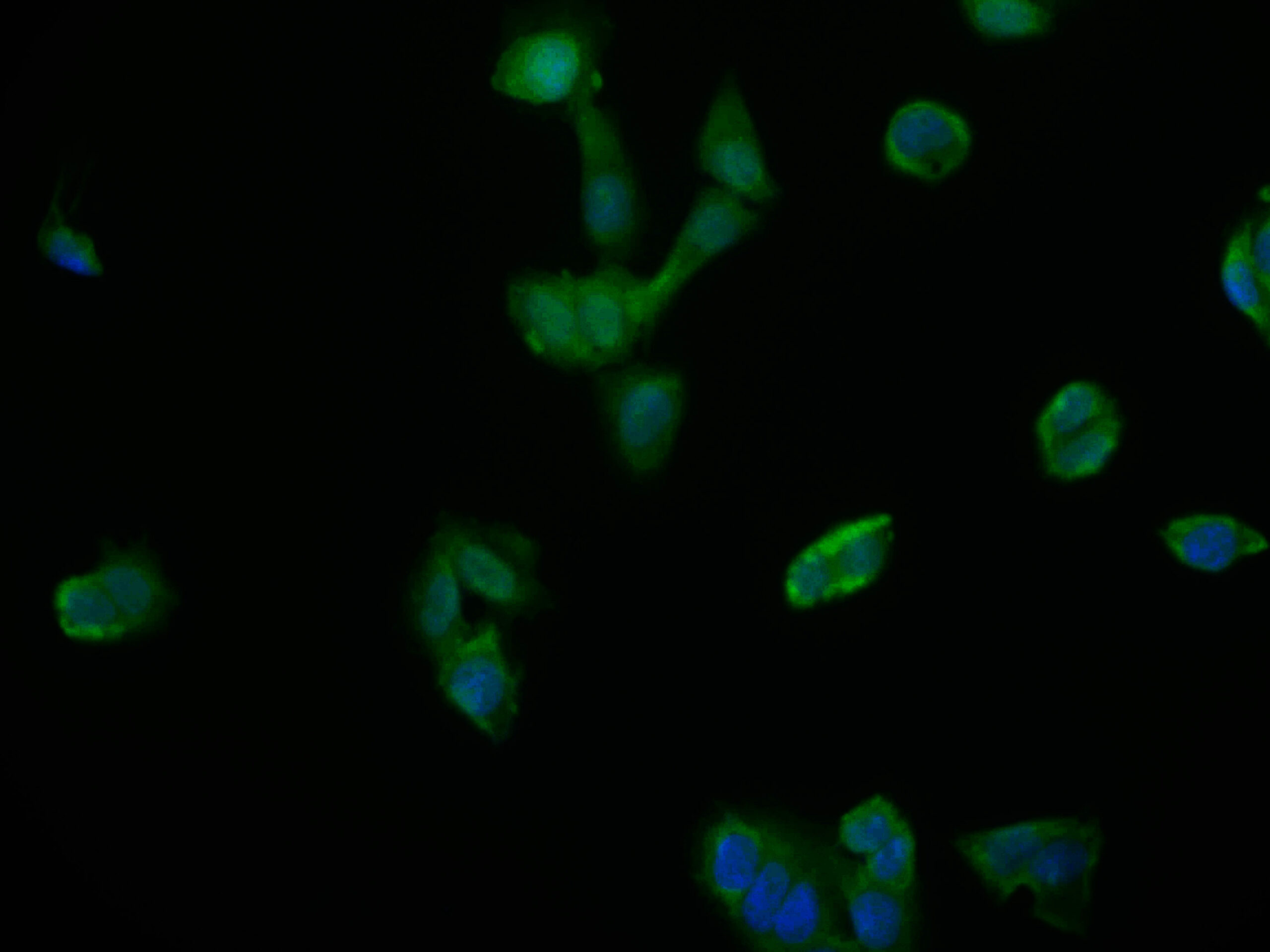
The recombinant antibody against NTHL1 was produced using a synthesized peptide derived from human NTHL1 as the immunogen. This antibody exists as a non-conjugated isotype Rabbit IgG, Affinity-chromatography purified. This antibody has been validated on ELISA, WB, IHC, IF, FC.

ADC-56621A

The recombinant antibody against NTHL1 was produced using a synthesized peptide derived from human NTHL1 as the immunogen. This antibody exists as a non-conjugated isotype Rabbit IgG, Affinity-chromatography purified. This antibody has been validated on ELISA, WB, IHC, IF, FC.

$350.00

Number
Order Exclusive Products Now

Request a Quote
High Purity LevelsPrecision and ReliabilityCustomization Options

Specifications


Cat.No ADC-56621A ClonalityMonoclonal
Target NameNTHL1Target SynonymsEndonuclease III-like protein 1 (hNTH1) (EC 3.2.2.-) (EC 4.2.99.18) (Bifunctional DNA N-glycosylase/DNA-(apurinic or apyrimidinic site) lyase) (DNA glycosylase/AP lyase), NTH1 OCTS3, NTHL1
FormLiquidSpecies ReactivityHuman
IsotypeRabbit IgGStorage BufferPH 7.4, 0.02% sodium azide and 50% glycerol., 150mM NaCl, Rabbit IgG in phosphate buffered saline
Purification MethodAffinity-chromatography purifiedConjugateNon-conjugated
ApplicationELISA, IF, IHC, WB, FCStorageUpon receipt

Immunogen Information


Immunogen DescriptionA synthesized peptide derived from human NTHL1Target SpeciesHuman
Immunogen SequenceComplete sequences for the immunogen, target protein, and peptides are available upon request.Uniprot IDP78549
Background Information
  • Uniprot Id

    P78549

  • Target Species

    Human

  • Target Name

    NTHL1

  • Target Full Name

    Endonuclease III-like protein 1

  • Target Function

    Bifunctional DNA N-glycosylase with associated apurinic/apyrimidinic (AP) lyase function that catalyzes the first step in base excision repair (BER), the primary repair pathway for the repair of oxidative DNA damage. The DNA N-glycosylase activity releases the damaged DNA base from DNA by cleaving the N-glycosidic bond, leaving an AP site. The AP-lyase activity cleaves the phosphodiester bond 3' to the AP site by a beta-elimination. Primarily recognizes and repairs oxidative base damage of pyrimidines. Has also 8-oxo-7,8-dihydroguanine (8-oxoG) DNA glycosylase activity. Acts preferentially on DNA damage opposite guanine residues in DNA. Is able to process lesions in nucleosomes without requiring or inducing nucleosome disruption.

  • Target Involvement

    Familial adenomatous polyposis 3 (FAP3)

  • Target Subcellular Location

    Nucleus. Mitochondrion.

  • Target Protein Families

    Nth/MutY family

  • Target Tissue Specificity

    Widely expressed with highest levels in heart and lowest levels in lung and liver.

  • Target Synonyms

    Bifunctional DNA N glycoslyase/DNA (apurinic or apyrimidinic site) lyase; DNA glycoslyase/AP lyase; Endonuclease III like protein 1; Endonuclease III-like protein 1; hNTH1; NTH 1; nth endonuclease III like 1 (E. coli); NTH endonuclease III Like 1; NTH1; NTHL 1; Nthl1; NTHL1_HUMAN; OCTS 3; OCTS3

  • Target Background

    The protein encoded by this gene is a DNA N-glycosylase of the endonuclease III family. Like a similar protein in E. coli, the encoded protein has DNA glycosylase activity on DNA substrates containing oxidized pyrimidine residues and has apurinic/apyrimidinic lyase activity.

Inquire NTHL1 Recombinant Monoclonal Antibody Now


AbTriva respects your privacy and protects your personal data in accordance with AbTriva. For more information, please see our data protection statement. *

Notification