• Contact info@abtriva.com for inquiries and orders.
  • Chinese (Simplified)

  • English

  • German

  • Korean

  • Spanish

United States (English / $ USD)

mouse anti-Human CXCL8 monoclonal antibody

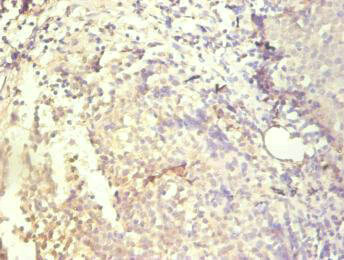
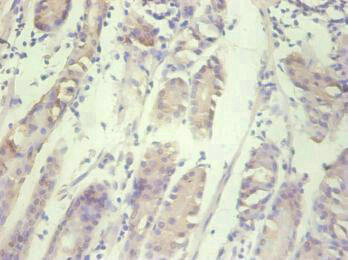
The antibody against CXCL8 was raised in mouse using the Recombinant Human Interleukin-8 protein as the immunogen. This antibody exists as a non-conjugated isotype IgG1, purified by protein G with a purity greater than 95%. This antibody has been validated on ELISA, IHC.

ADC-55497A

The antibody against CXCL8 was raised in mouse using the Recombinant Human Interleukin-8 protein as the immunogen. This antibody exists as a non-conjugated isotype IgG1, purified by protein G with a purity greater than 95%. This antibody has been validated on ELISA, IHC.

$350.00

Number
Order Exclusive Products Now

Request a Quote
High Purity LevelsPrecision and ReliabilityCustomization Options

Specifications


Cat.No ADC-55497A ClonalityMonoclonal
Host SpeciesMouseTarget NameCXCL8
FormLiquidSpecies ReactivityHuman
IsotypeIgG1Storage Buffer0.01M PBS, 0.03% Proclin 300; Constituents: 50% Glycerol, PH 7.4
Purification Method>95%, Protein G purifiedConjugateNon-conjugated
ApplicationELISA, IHCStorageUpon receipt

Immunogen Information


Immunogen DescriptionRecombinant Human Interleukin-8 proteinTarget SpeciesHuman
Immunogen SequenceComplete sequences for the immunogen, target protein, and peptides are available upon request.Uniprot IDP10145
Background Information
  • Uniprot Id

    P10145

  • Target Species

    Human

  • Target Name

    CXCL8

  • Target Full Name

    Interleukin-8

  • Target Function

    IL-8 is a chemotactic factor that attracts neutrophils, basophils, and T-cells, but not monocytes. It is also involved in neutrophil activation. It is released from several cell types in response to an inflammatory stimulus. IL-8(6-77) has a 5-10-fold higher activity on neutrophil activation, IL-8(5-77) has increased activity on neutrophil activation and IL-8(7-77) has a higher affinity to receptors CXCR1 and CXCR2 as compared to IL-8(1-77), respectively.

  • Target Subcellular Location

    Secreted.

  • Target Protein Families

    Intercrine alpha (chemokine CxC) family

  • Target Research Area

    Immunology

  • Target Synonyms

    (Ala-IL-8)77; (Ser-IL-8)72; 9E3; Beta thromboglobulin like protein; C-X-C motif chemokine 8; CEF-4; chemokine; CXC motif; ligand 8; CXCL8; Emoctakin; GCP-1; GCP/IL-8 protein I; GCP/IL-8 protein II; GCP/IL-8 protein III; GCP/IL-8 protein IV; GCP/IL-8 protein V; GCP/IL-8 protein VI; GCP1; Granulocyte chemotactic protein 1; IL-8; IL-8(1-77); IL-8(9-77); IL8; IL8/NAP1 form I; IL8/NAP1 form II; IL8/NAP1 form III; IL8/NAP1 form IV; IL8/NAP1 form V; IL8/NAP1 form VI; IL8_HUMAN; Inteleukin 8; LECT; LUCT; Lymphocyte-derived neutrophil-activating factor; LYNAP; MDNCF; MDNCF-b; MDNCF-c; MONAP; Monocyte derived neutrophil activating peptide; Monocyte derived neutrophil chemotactic factor; Monocyte-derived neutrophil chemotactic factor; Monocyte-derived neutrophil-activating peptide; NAF; NAP 1; NAP-1; NAP1; Neutrophil activating peptide 1; Neutrophil activating protein 1; Neutrophil-activating factor; Neutrophil-activating protein 1; Protein 3 10C; Protein 3-10C; SCYB 8; SCYB8; Small inducible cytokine subfamily B member 8; T cell chemotactic factor ; T-cell chemotactic factor; TSG 1; TSG1

  • Target Background

    The protein encoded by this gene is a member of the CXC chemokine family and is a major mediator of the inflammatory response. The encoded protein is commonly referred to as interleukin-8 (IL-8). IL-8 is secreted by mononuclear macrophages, neutrophils, eosinophils, T lymphocytes, epithelial cells, and fibroblasts. It functions as a chemotactic factor by guiding the neutrophils to the site of infection. Bacterial and viral products rapidly induce IL-8 expression. IL-8 also participates with other cytokines in the proinflammatory signaling cascade and plays a role in systemic inflammatory response syndrome (SIRS). This gene is believed to play a role in the pathogenesis of the lower respiratory tract infection bronchiolitis, a common respiratory tract disease caused by the respiratory syncytial virus (RSV). The overproduction of this proinflammatory protein is thought to cause the lung inflammation associated with csytic fibrosis. This proinflammatory protein is also suspected of playing a role in coronary artery disease and endothelial dysfunction. This protein is also secreted by tumor cells and promotes tumor migration, invasion, angiogenesis and metastasis. This chemokine is also a potent angiogenic factor. The binding of IL-8 to one of its receptors (IL-8RB/CXCR2) increases the permeability of blood vessels and increasing levels of IL-8 are positively correlated with increased severity of multiple disease outcomes (eg, sepsis). This gene and other members of the CXC chemokine gene family form a gene cluster in a region of chromosome 4q.

Inquire mouse anti-Human CXCL8 monoclonal antibody Now


AbTriva respects your privacy and protects your personal data in accordance with AbTriva. For more information, please see our data protection statement. *

Notification