• Contact info@abtriva.com for inquiries and orders.
  • Chinese (Simplified)

  • English

  • German

  • Korean

  • Spanish

United States (English / $ USD)

Rabbit anti-Human CLEC7A Polyclonal Antibody

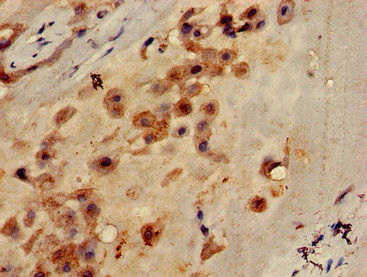
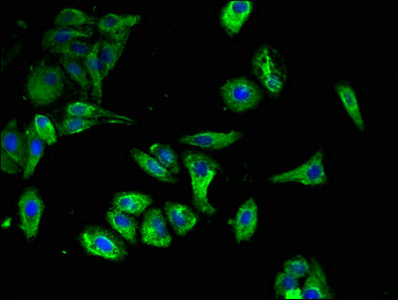
The antibody against CLEC7A was raised in rabbit using the Recombinant Human C-type lectin domain family 7 member A protein (1-44AA) as the immunogen. This antibody exists as a non-conjugated isotype IgG, purified by protein G with a purity greater than 95%. This antibody has been validated on ELISA, IHC, IF.

ADC-11556A

The antibody against CLEC7A was raised in rabbit using the Recombinant Human C-type lectin domain family 7 member A protein (1-44AA) as the immunogen. This antibody exists as a non-conjugated isotype IgG, purified by protein G with a purity greater than 95%. This antibody has been validated on ELISA, IHC, IF.

$299.00

Number
Order Exclusive Products Now

Request a Quote
High Purity LevelsPrecision and ReliabilityCustomization Options

Specifications


Cat.No ADC-11556A ClonalityPolyclonal
Host SpeciesRabbitTarget NameCLEC7A
FormLiquidSpecies ReactivityHuman
IsotypeIgGStorage Buffer0.01M PBS, 0.03% Proclin 300; Constituents: 50% Glycerol, PH 7.4
Purification Method>95%, Protein G purifiedConjugateNon-conjugated
ApplicationELISA, IF, IHCStorageUpon receipt

Immunogen Information


Immunogen DescriptionRecombinant Human C-type lectin domain family 7 member A protein (1-44AA)Target SpeciesHuman
Immunogen SequenceComplete sequences for the immunogen, target protein, and peptides are available upon request.Uniprot IDQ9BXN2
Background Information
  • Uniprot Id

    Q9BXN2

  • Target Species

    Human

  • Target Name

    CLEC7A

  • Target Full Name

    C-type lectin domain family 7 member A

  • Target Function

    Lectin that functions as pattern recognizing receptor (PRR) specific for beta-1,3-linked and beta-1,6-linked glucans, which constitute cell wall constituents from pathogenic bacteria and fungi. Necessary for the TLR2-mediated inflammatory response and activation of NF-kappa-B: upon beta-glucan binding, recruits SYK via its ITAM motif and promotes a signaling cascade that activates some CARD domain-BCL10-MALT1 (CBM) signalosomes, leading to the activation of NF-kappa-B and MAP kinase p38 (MAPK11, MAPK12, MAPK13 and/or MAPK14) pathways which stimulate expression of genes encoding pro-inflammatory cytokines and chemokines. Enhances cytokine production in macrophages and dendritic cells. Mediates production of reactive oxygen species in the cell. Mediates phagocytosis of C.albicans conidia. Binds T-cells in a way that does not involve their surface glycans and plays a role in T-cell activation. Stimulates T-cell proliferation. Induces phosphorylation of SCIMP after binding beta-glucans.

  • Target Involvement

    Candidiasis, familial, 4 (CANDF4)

  • Target Subcellular Location

    Cell membrane; Single-pass type II membrane protein.; [Isoform 5]: Cytoplasm.; [Isoform 6]: Cytoplasm.; [Isoform 7]: Cytoplasm.

  • Target Tissue Specificity

    Highly expressed in peripheral blood leukocytes and dendritic cells. Detected in spleen, bone marrow, lung, muscle, stomach and placenta.

  • Target Synonyms

    Beta GR; Beta-glucan receptor; BGR; C type calcium dependent carbohydrate recognition domain lectin superfamily member 12; C type lectin domain family 7 member a; C-type lectin domain family 7 member A; C-type lectin superfamily member 12; CANDF4; CLC7A_HUMAN; CLEC7A; CLEC7A protein; Clecsf12; DC-associated C-type lectin 1; Dectin 1; DECTIN 1 receptor; Dectin-1; Dectin1; Dendritic cell associated C type lectin 1; Dendritic cell-associated C-type lectin 1; Lectin like receptor 1; Putative transmembrane protein dectin 1

  • Target Background

    This gene encodes a member of the C-type lectin/C-type lectin-like domain (CTL/CTLD) superfamily. The encoded glycoprotein is a small type II membrane receptor with an extracellular C-type lectin-like domain fold and a cytoplasmic domain with an immunoreceptor tyrosine-based activation motif. It functions as a pattern-recognition receptor that recognizes a variety of beta-1, 3-linked and beta-1, 6-linked glucans from fungi and plants, and in this way plays a role in innate immune response. Alternate transcriptional splice variants, encoding different isoforms, have been characterized. This gene is closely linked to other CTL/CTLD superfamily members on chromosome 12p13 in the natural killer gene complex region.

Inquire Rabbit anti-Human CLEC7A Polyclonal Antibody Now


AbTriva respects your privacy and protects your personal data in accordance with AbTriva. For more information, please see our data protection statement. *

Notification