• Contact info@abtriva.com for inquiries and orders.
  • Chinese (Simplified)

  • English

  • German

  • Korean

  • Spanish

United States (English / $ USD)

Rabbit anti-Human HPGD Polyclonal Antibody

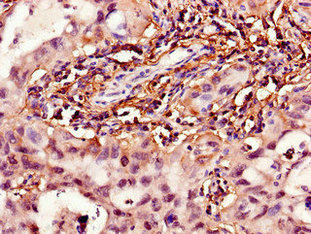
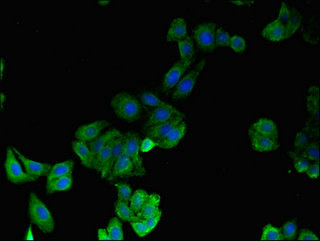
The antibody against HPGD was raised in rabbit using the Recombinant Human 15-hydroxyprostaglandin dehydrogenase [NAD(+)] protein (14-130AA) as the immunogen. This antibody exists as a non-conjugated isotype IgG, purified by protein G with a purity greater than 95%. This antibody has been validated on ELISA, IHC, IF.

ADC-13531A

The antibody against HPGD was raised in rabbit using the Recombinant Human 15-hydroxyprostaglandin dehydrogenase [NAD(+)] protein (14-130AA) as the immunogen. This antibody exists as a non-conjugated isotype IgG, purified by protein G with a purity greater than 95%. This antibody has been validated on ELISA, IHC, IF.

$299.00

Number
Order Exclusive Products Now

Request a Quote
High Purity LevelsPrecision and ReliabilityCustomization Options

Specifications


Cat.No ADC-13531A ClonalityPolyclonal
Host SpeciesRabbitTarget NameHPGD
FormLiquidSpecies ReactivityHuman
IsotypeIgGStorage Buffer0.01M PBS, 0.03% Proclin 300; Constituents: 50% Glycerol, PH 7.4
Purification Method>95%, Protein G purifiedConjugateNon-conjugated
ApplicationELISA, IF, IHCStorageUpon receipt

Immunogen Information


Immunogen DescriptionRecombinant Human 15-hydroxyprostaglandin dehydrogenase [NAD(+)] protein (14-130AA)Target SpeciesHuman
Immunogen SequenceComplete sequences for the immunogen, target protein, and peptides are available upon request.Uniprot IDP15428
Background Information
  • Uniprot Id

    P15428

  • Target Species

    Human

  • Target Name

    HPGD

  • Target Full Name

    15-hydroxyprostaglandin dehydrogenase [NAD(+)]

  • Target Function

    Primary enzyme catalyzing the conversion of hydroxylated arachidonic acid species to their corresponding oxidized metabolites (Probable). Prostaglandin inactivation, catalyzes the first step in the catabolic pathway of the prostaglandins. Contributes to the regulation of events that are under the control of prostaglandin levels. Catalyzes the NAD-dependent dehydrogenation of lipoxin A4 to form 15-oxo-lipoxin A4. Converts 11(R)-HETE to 11-oxo-5,8,12,14-(Z,Z,E,Z)-eicosatetraenoic acid (ETE). Has hydroxylated docosahexaenoic acid metabolites as substrates. Converts resolvins E1, D1 and D2 to their oxo products which represents a mode of resolvins inactivation and stabilizes their anti-inflammatory actions.

  • Target Involvement

    Hypertrophic osteoarthropathy, primary, autosomal recessive, 1 (PHOAR1); Cranioosteoarthropathy (COA); Isolated congenital nail clubbing (ICNC)

  • Target Subcellular Location

    Cytoplasm.

  • Target Protein Families

    Short-chain dehydrogenases/reductases (SDR) family

  • Target Tissue Specificity

    Detected in colon epithelium (at protein level).

  • Target Synonyms

    15 hydroxyprostaglandin dehydrogenase [NAD+]; 15 PGDH; 15-hydroxyprostaglandin dehydrogenase [NAD+]; 15-PGDH; 15PGDH; Hpgd; Hydroxyprostaglandin dehydrogenase 15 (NAD); NAD+ dependent 15 hydroxyprostaglandin dehydrogenase; OTTHUMP00000218960; OTTHUMP00000219016; OTTHUMP00000219018; PGDH; PGDH_HUMAN; PGDH1; PHOAR1; Prostaglandin dehydrogenase 1; SDR36C1; Short chain dehydrogenase/reductase family 36C member 1

  • Target Background

    This gene encodes a member of the short-chain nonmetalloenzyme alcohol dehydrogenase protein family. The encoded enzyme is responsible for the metabolism of prostaglandins, which function in a variety of physiologic and cellular processes such as inflammation. Mutations in this gene result in primary autosomal recessive hypertrophic osteoarthropathy and cranioosteoarthropathy. Multiple transcript variants encoding different isoforms have been found for this gene.

Inquire Rabbit anti-Human HPGD Polyclonal Antibody Now


AbTriva respects your privacy and protects your personal data in accordance with AbTriva. For more information, please see our data protection statement. *

Notification