• Contact info@abtriva.com for inquiries and orders.
  • Chinese (Simplified)

  • English

  • German

  • Korean

  • Spanish

United States (English / $ USD)

Rabbit anti-Human TIGAR Polyclonal Antibody

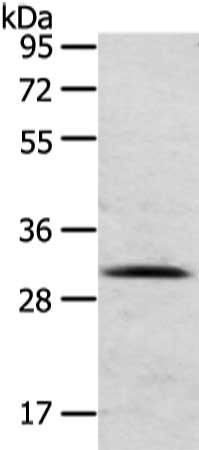
The antibody against TIGAR was raised in rabbit using the Synthetic peptide of Human TIGAR as the immunogen. This antibody exists as a non-conjugated isotype IgG, Antigen affinity purified. This antibody has been validated on ELISA, WB, IHC.

ADC-27394A

The antibody against TIGAR was raised in rabbit using the Synthetic peptide of Human TIGAR as the immunogen. This antibody exists as a non-conjugated isotype IgG, Antigen affinity purified. This antibody has been validated on ELISA, WB, IHC.

$299.00

Number
Order Exclusive Products Now

Request a Quote
High Purity LevelsPrecision and ReliabilityCustomization Options

Specifications


Cat.No ADC-27394A ClonalityPolyclonal
Host SpeciesRabbitTarget NameTIGAR
Target Synonyms6-bisphosphatase TIGAR antibody; C12ORF5 antibody; chromosome 12 open reading frame 5 antibody; FR2BP antibody; Fructose-2, 6-bisphosphatase TIGAR antibody; Fructose-2, 6-bisphosphate 2-phosphatase antibody; Probable fructose 2FormLiquid
Species ReactivityHumanIsotypeIgG
Storage Buffer0.05% NaN3, 40% Glycerol., pH7.4 PBSPurification MethodAntigen affinity purified
ConjugateNon-conjugatedApplicationELISA, IHC, WB
StorageUpon receipt

Immunogen Information


Immunogen DescriptionSynthetic peptide of Human TIGARTarget SpeciesHuman
Immunogen SequenceComplete sequences for the immunogen, target protein, and peptides are available upon request.Uniprot IDQ9NQ88
Background Information
  • Uniprot Id

    Q9NQ88

  • Target Species

    Human

  • Target Name

    TIGAR

  • Target Full Name

    Fructose-2,6-bisphosphatase TIGAR

  • Target Function

    Fructose-bisphosphatase hydrolyzing fructose-2,6-bisphosphate as well as fructose-1,6-bisphosphate. Acts as a negative regulator of glycolysis by lowering intracellular levels of fructose-2,6-bisphosphate in a p53/TP53-dependent manner, resulting in the pentose phosphate pathway (PPP) activation and NADPH production. Contributes to the generation of reduced glutathione to cause a decrease in intracellular reactive oxygen species (ROS) content, correlating with its ability to protect cells from oxidative or metabolic stress-induced cell death. Plays a role in promoting protection against cell death during hypoxia by decreasing mitochondria ROS levels in a HK2-dependent manner through a mechanism that is independent of its fructose-bisphosphatase activity. In response to cardiac damage stress, mediates p53-induced inhibition of myocyte mitophagy through ROS levels reduction and the subsequent inactivation of BNIP3. Reduced mitophagy results in an enhanced apoptotic myocyte cell death, and exacerbates cardiac damage. Plays a role in adult intestinal regeneration; contributes to the growth, proliferation and survival of intestinal crypts following tissue ablation. Plays a neuroprotective role against ischemic brain damage by enhancing PPP flux and preserving mitochondria functions. Protects glioma cells from hypoxia- and ROS-induced cell death by inhibiting glycolysis and activating mitochondrial energy metabolism and oxygen consumption in a TKTL1-dependent and p53/TP53-independent manner. Plays a role in cancer cell survival by promoting DNA repair through activating PPP flux in a CDK5-ATM-dependent signaling pathway during hypoxia and/or genome stress-induced DNA damage responses. Involved in intestinal tumor progression.

  • Target Subcellular Location

    Cytoplasm. Nucleus. Mitochondrion.

  • Target Protein Families

    Phosphoglycerate mutase family

  • Target Tissue Specificity

    Expressed in the brain. Expressed in breast tumors. Expressed in glioblastomas.

  • Target Synonyms

    6-bisphosphatase TIGAR; C12ORF5; chromosome 12 open reading frame 5; FR2BP; Fructose-2,6-bisphosphatase TIGAR; Fructose-2,6-bisphosphate 2-phosphatase; Probable fructose 2,6 bisphosphatase TIGAR; Probable fructose-2; tigar; TIGAR_HUMAN; TP53 induced glycolysis and apoptosis regulator; TP53 induced glycolysis regulatory phosphatase; TP53-induced glycolysis and apoptosis regulator; Transactivated by NS3TP2 protein

  • Target Background

    This gene is regulated as part of the p53 tumor suppressor pathway and encodes a protein with sequence similarity to the bisphosphate domain of the glycolytic enzyme that degrades fructose-2, 6-bisphosphate. The protein functions by blocking glycolysis and directing the pathway into the pentose phosphate shunt. Expression of this protein also protects cells from DNA damaging reactive oxygen species and provides some protection from DNA damage-induced apoptosis. The 12p13.32 region that includes this gene is paralogous to the 11q13.3 region.

Inquire Rabbit anti-Human TIGAR Polyclonal Antibody Now


AbTriva respects your privacy and protects your personal data in accordance with AbTriva. For more information, please see our data protection statement. *

Notification