• Contact info@abtriva.com for inquiries and orders.
  • Chinese (Simplified)

  • English

  • German

  • Korean

  • Spanish

United States (English / $ USD)

Rabbit anti-Human RPL17 Polyclonal Antibody

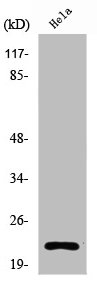
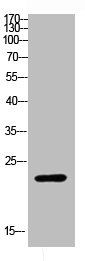
The antibody against RPL17 was raised in rabbit using the Synthesized peptide derived from the Internal region of Human Ribosomal Protein L17. as the immunogen. This antibody exists as a non-conjugated isotype IgG. The antibody was affinity-purified from rabbit antiserum by affinity-chromatography using epitope-specific immunogen. This antibody has been validated on WB, IHC, ELISA.

ADC-37701A

The antibody against RPL17 was raised in rabbit using the Synthesized peptide derived from the Internal region of Human Ribosomal Protein L17. as the immunogen. This antibody exists as a non-conjugated isotype IgG. The antibody was affinity-purified from rabbit antiserum by affinity-chromatography using epitope-specific immunogen. This antibody has been validated on WB, IHC, ELISA.

$167.00

Number
Order Exclusive Products Now

Request a Quote
High Purity LevelsPrecision and ReliabilityCustomization Options

Specifications


Cat.No ADC-37701A ClonalityPolyclonal
Host SpeciesRabbitTarget NameRPL17
FormLiquidSpecies ReactivityHuman, Mouse, Rat, Monkey
IsotypeIgGStorage Buffer0.5% BSA and 0.02% sodium azide., Liquid in PBS containing 50% glycerol
Purification MethodThe antibody was affinity-purified from rabbit antiserum by affinity-chromatography using epitope-specific immunogen.ConjugateNon-conjugated
ApplicationELISA, IHC, WBStorageUpon receipt

Immunogen Information


Immunogen DescriptionSynthesized peptide derived from the Internal region of Human Ribosomal Protein L17.Target SpeciesHuman
Immunogen SequenceComplete sequences for the immunogen, target protein, and peptides are available upon request.Uniprot IDP18621
Background Information
  • Uniprot Id

    P18621

  • Target Species

    Human

  • Target Name

    RPL17

  • Target Full Name

    Large ribosomal subunit protein uL22

  • Target Function

    Component of the large ribosomal subunit.

  • Target Protein Families

    Universal ribosomal protein uL22 family

  • Target Tissue Specificity

    Expressed in pancreas, lung, colon, cystic duct, gall bladder, kidney and liver. Expressed at high levels in the well differentiated pancreatic tumor cell lines HPAF, COLO 357 and Capan-1, the moderately differentiated pancreatic tumor cell lines T3M-4, A

  • Target Research Area

    Epigenetics and Nuclear Signaling

  • Target Synonyms

    60S ribosomal protein L17; 60S ribosomal protein L23; FLJ92089; Gene encoding putative NFkB activating protein; L17; MGC117162; PD 1; PD-1; PD1; Ribosomal protein L17; RL17_HUMAN; RPL17; rpL23

  • Target Background

    Ribosomes, the organelles that catalyze protein synthesis, consist of a small 40S subunit and a large 60S subunit. Together these subunits are composed of 4 RNA species and approximately 80 structurally distinct proteins. This gene encodes a ribosomal protein that is a component of the 60S subunit. The protein belongs to the L22P family of ribosomal proteins. It is located in the cytoplasm. This gene has been referred to as rpL23 because the encoded protein shares amino acid identity with ribosomal protein L23 from Halobacterium marismortui; however, its official symbol is RPL17. As is typical for genes encoding ribosomal proteins, there are multiple processed pseudogenes of this gene dispersed through the genome. Alternative splicing results in multiple transcript variants. Read-through transcription also exists between this gene and the neighboring downstream C18orf32 (chromosome 18 open reading frame 32) gene.

Inquire Rabbit anti-Human RPL17 Polyclonal Antibody Now


AbTriva respects your privacy and protects your personal data in accordance with AbTriva. For more information, please see our data protection statement. *

Notification