• Contact info@abtriva.com for inquiries and orders.
  • Chinese (Simplified)

  • English

  • German

  • Korean

  • Spanish

United States (English / $ USD)

Rabbit anti-Human ADGRB1 Polyclonal Antibody

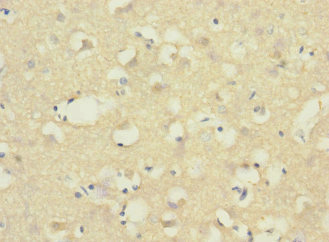
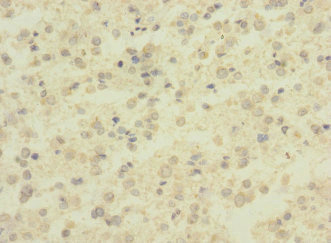
The antibody against ADGRB1 was raised in rabbit using the Recombinant Human Adhesion G protein-coupled receptor B1 protein (60-350AA) as the immunogen. This antibody exists as a non-conjugated isotype IgG, Antigen affinity purified. This antibody has been validated on ELISA, IHC.

ADC-16385A

The antibody against ADGRB1 was raised in rabbit using the Recombinant Human Adhesion G protein-coupled receptor B1 protein (60-350AA) as the immunogen. This antibody exists as a non-conjugated isotype IgG, Antigen affinity purified. This antibody has been validated on ELISA, IHC.

$299.00

Number
Order Exclusive Products Now

Request a Quote
High Purity LevelsPrecision and ReliabilityCustomization Options

Specifications


Cat.No ADC-16385A ClonalityPolyclonal
Host SpeciesRabbitTarget NameADGRB1
FormLiquidSpecies ReactivityHuman
IsotypeIgGStorage Buffer50% Glycerol, PBS with 0.02% sodium azide, pH7.3.
Purification MethodAntigen affinity purifiedConjugateNon-conjugated
ApplicationELISA, IHCStorageUpon receipt

Immunogen Information


Immunogen DescriptionRecombinant Human Adhesion G protein-coupled receptor B1 protein (60-350AA)Target SpeciesHuman
Immunogen SequenceComplete sequences for the immunogen, target protein, and peptides are available upon request.Uniprot IDO14514
Background Information
  • Uniprot Id

    O14514

  • Target Species

    Human

  • Target Name

    ADGRB1

  • Target Full Name

    Adhesion G protein-coupled receptor B1

  • Target Function

    Phosphatidylserine receptor which enhances the engulfment of apoptotic cells. Also mediates the binding and engulfment of Gram-negative bacteria. Stimulates production of reactive oxygen species by macrophages in response to Gram-negative bacteria, resulting in enhanced microbicidal macrophage activity. In the gastric mucosa, required for recognition and engulfment of apoptotic gastric epithelial cells. Promotes myoblast fusion. Activates the Rho pathway in a G-protein-dependent manner. Inhibits MDM2-mediated ubiquitination and degradation of DLG4/PSD95, promoting DLG4 stability and regulating synaptic plasticity. Required for the formation of dendritic spines by ensuring the correct localization of PARD3 and TIAM1. Potent inhibitor of angiogenesis in brain and may play a significant role as a mediator of the p53/TP53 signal in suppression of glioblastoma.; Inhibits angiogenesis in a CD36-dependent manner.; Inhibits angiogenesis.

  • Target Subcellular Location

    Cell membrane; Multi-pass membrane protein. Cell projection, phagocytic cup. Cell junction, focal adhesion. Cell projection, dendritic spine. Cell junction, synapse, postsynaptic density.; [Vasculostatin-120]: Secreted.; [Vasculostatin-40]: Secreted.

  • Target Protein Families

    G-protein coupled receptor 2 family, LN-TM7 subfamily

  • Target Tissue Specificity

    Expressed in brain (at protein level). Expressed on mononuclear phagocytes and monocyte-derived macrophages in the gastric mucosa (at protein level). Expressed in normal pancreatic tissue but not in pancreatic tumor tissue. Reduced or no expression is obs

  • Target Synonyms

    B830018M07Rik; BAI 1; BAI1; BAI1_HUMAN; Brain specific angiogenesis inhibitor 1; Brain-specific angiogenesis inhibitor 1; GDAIF; KIAA4089; mKIAA4089; R75078

Inquire Rabbit anti-Human ADGRB1 Polyclonal Antibody Now


AbTriva respects your privacy and protects your personal data in accordance with AbTriva. For more information, please see our data protection statement. *

Notification