• Contact info@abtriva.com for inquiries and orders.
  • Chinese (Simplified)

  • English

  • German

  • Korean

  • Spanish

United States (English / $ USD)

Rabbit anti-Human APOC3 Polyclonal Antibody

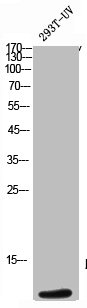
The antibody against APOC3 was raised in rabbit using the Synthesized peptide derived from the C-terminal region of Human ApoC-III. as the immunogen. This antibody exists as a non-conjugated isotype IgG. The antibody was affinity-purified from rabbit antiserum by affinity-chromatography using epitope-specific immunogen. This antibody has been validated on WB, ELISA.

ADC-36827A

The antibody against APOC3 was raised in rabbit using the Synthesized peptide derived from the C-terminal region of Human ApoC-III. as the immunogen. This antibody exists as a non-conjugated isotype IgG. The antibody was affinity-purified from rabbit antiserum by affinity-chromatography using epitope-specific immunogen. This antibody has been validated on WB, ELISA.

$167.00

Number
Order Exclusive Products Now

Request a Quote
High Purity LevelsPrecision and ReliabilityCustomization Options

Specifications


Cat.No ADC-36827A ClonalityPolyclonal
Host SpeciesRabbitTarget NameAPOC3
FormLiquidSpecies ReactivityHuman
IsotypeIgGStorage Buffer0.5% BSA and 0.02% sodium azide., Liquid in PBS containing 50% glycerol
Purification MethodThe antibody was affinity-purified from rabbit antiserum by affinity-chromatography using epitope-specific immunogen.ConjugateNon-conjugated
ApplicationELISA, WBStorageUpon receipt

Immunogen Information


Immunogen DescriptionSynthesized peptide derived from the C-terminal region of Human ApoC-III.Target SpeciesHuman
Immunogen SequenceComplete sequences for the immunogen, target protein, and peptides are available upon request.Uniprot IDP02656
Background Information
  • Uniprot Id

    P02656

  • Target Species

    Human

  • Target Name

    APOC3

  • Target Full Name

    Apolipoprotein C-III

  • Target Function

    Component of triglyceride-rich very low density lipoproteins (VLDL) and high density lipoproteins (HDL) in plasma. Plays a multifaceted role in triglyceride homeostasis. Intracellularly, promotes hepatic very low density lipoprotein 1 (VLDL1) assembly and secretion; extracellularly, attenuates hydrolysis and clearance of triglyceride-rich lipoproteins (TRLs). Impairs the lipolysis of TRLs by inhibiting lipoprotein lipase and the hepatic uptake of TRLs by remnant receptors. Formed of several curved helices connected via semiflexible hinges, so that it can wrap tightly around the curved micelle surface and easily adapt to the different diameters of its natural binding partners.

  • Target Involvement

    Hyperalphalipoproteinemia 2 (HALP2)

  • Target Subcellular Location

    Secreted.

  • Target Protein Families

    Apolipoprotein C3 family

  • Target Tissue Specificity

    Liver.

  • Target Research Area

    Metabolism

  • Target Synonyms

    APOC3; APO C3; Apo CIII; Apo-CIII; APOC 3; ApoC III; ApoC-III; APOC3; APOC3_HUMAN; ApoCIII; Apolipoprotein C III; Apolipoprotein C-III; Apolipoprotein C3; ApolipoproteinCIII; MGC150353

  • Target Background

    This gene encodes a protein component of triglyceride (TG)-rich lipoproteins (TRLs) including very low density lipoproteins (VLDL), high density lipoproteins (HDL) and chylomicrons. The encoded protein plays a role in role in the metabolism of these TRLs through multiple modes. This protein has been shown to promote the secretion of VLDL1, inhibit lipoprotein lipase enzyme activity, and delay catabolism of TRL remnants. Mutations in this gene are associated with low plasma triglyceride levels and reduced risk of ischemic cardiovascular disease, and hyperalphalipoproteinemia, which is characterized by elevated levels of high density lipoprotein (HDL) and HDL cholesterol in human patients. This gene and other related genes comprise an apolipoprotein gene cluster on chromosome 11.

Inquire Rabbit anti-Human APOC3 Polyclonal Antibody Now


AbTriva respects your privacy and protects your personal data in accordance with AbTriva. For more information, please see our data protection statement. *

Notification