• Contact info@abtriva.com for inquiries and orders.
  • Chinese (Simplified)

  • English

  • German

  • Korean

  • Spanish

United States (English / $ USD)

Rabbit anti-Human CEP152 Polyclonal Antibody

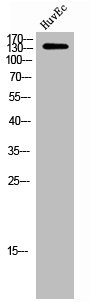
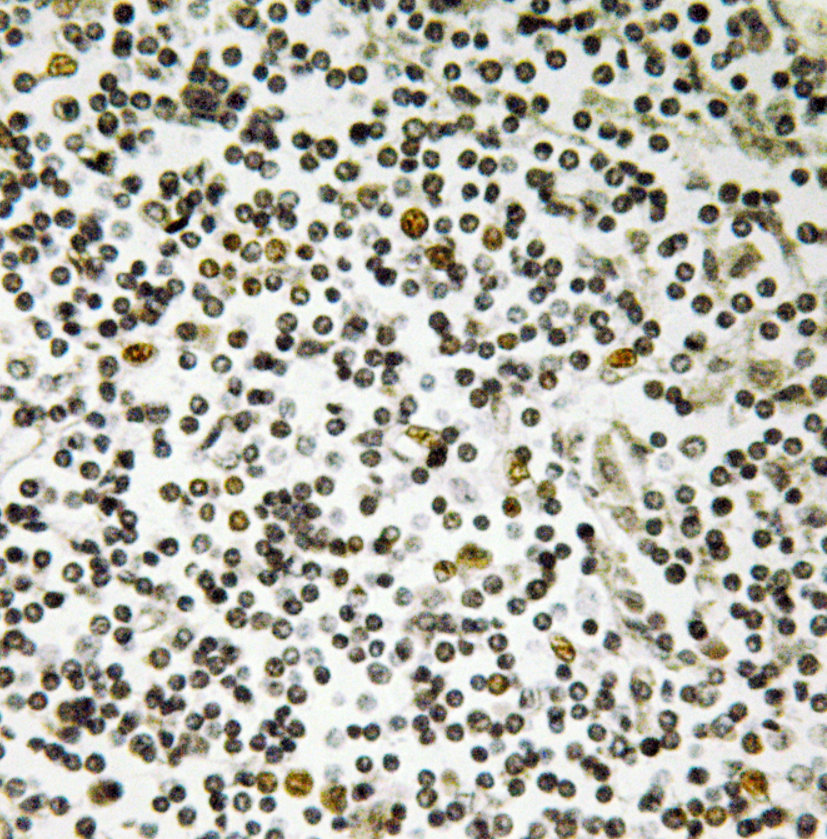
The antibody against CEP152 was raised in rabbit using the Synthesized peptide derived from the Internal region of Human CEP152. as the immunogen. This antibody exists as a non-conjugated isotype IgG. The antibody was affinity-purified from rabbit antiserum by affinity-chromatography using epitope-specific immunogen. This antibody has been validated on WB, IHC, ELISA.

ADC-35854A

The antibody against CEP152 was raised in rabbit using the Synthesized peptide derived from the Internal region of Human CEP152. as the immunogen. This antibody exists as a non-conjugated isotype IgG. The antibody was affinity-purified from rabbit antiserum by affinity-chromatography using epitope-specific immunogen. This antibody has been validated on WB, IHC, ELISA.

$167.00

Number
Order Exclusive Products Now

Request a Quote
High Purity LevelsPrecision and ReliabilityCustomization Options

Specifications


Cat.No ADC-35854A ClonalityPolyclonal
Host SpeciesRabbitTarget NameCEP152
FormLiquidSpecies ReactivityHuman
IsotypeIgGStorage Buffer0.5% BSA and 0.02% sodium azide., Liquid in PBS containing 50% glycerol
Purification MethodThe antibody was affinity-purified from rabbit antiserum by affinity-chromatography using epitope-specific immunogen.ConjugateNon-conjugated
ApplicationELISA, IHC, WBStorageUpon receipt

Immunogen Information


Immunogen DescriptionSynthesized peptide derived from the Internal region of Human CEP152.Target SpeciesHuman
Immunogen SequenceComplete sequences for the immunogen, target protein, and peptides are available upon request.Uniprot IDO94986
Background Information
  • Uniprot Id

    O94986

  • Target Species

    Human

  • Target Name

    CEP152

  • Target Full Name

    Centrosomal protein of 152 kDa

  • Target Function

    Necessary for centrosome duplication; the function seems also to involve CEP63, CDK5RAP2 and WDR62 through a stepwise assembled complex at the centrosome that recruits CDK2 required for centriole duplication. Acts as a molecular scaffold facilitating the interaction of PLK4 and CENPJ, 2 molecules involved in centriole formation. Proposed to snatch PLK4 away from PLK4:CEP92 complexes in early G1 daughter centriole and to reposition PLK4 at the outer boundary of a newly forming CEP152 ring structure. Also plays a key role in deuterosome-mediated centriole amplification in multiciliated that can generate more than 100 centrioles. Overexpression of CEP152 can drive amplification of centrioles.

  • Target Involvement

    Microcephaly 9, primary, autosomal recessive (MCPH9); Seckel syndrome 5 (SCKL5)

  • Target Subcellular Location

    Cytoplasm, cytoskeleton, microtubule organizing center, centrosome. Cytoplasm, cytoskeleton, microtubule organizing center, centrosome, centriole.

  • Target Protein Families

    CEP152 family

  • Target Synonyms

    Asterless; CE152_HUMAN; Centrosomal protein 152kDa; Centrosomal protein of 152 kDa; Cep152; FLJ21594; KIAA0912; MCPH4; MCPH9; Microcephaly primary autosomal recessive 4; SCKL5

Inquire Rabbit anti-Human CEP152 Polyclonal Antibody Now


AbTriva respects your privacy and protects your personal data in accordance with AbTriva. For more information, please see our data protection statement. *

Notification