-
Chinese (Simplified)
-
English
-
German
-
Korean
-
Spanish
Chinese (Simplified)
English
German
Korean
Spanish
Sign up for an account to enjoy easy online shopping and instant order tracking.
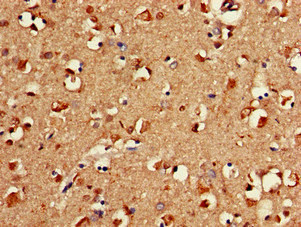
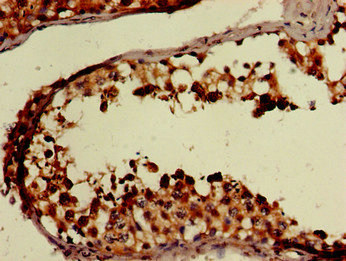
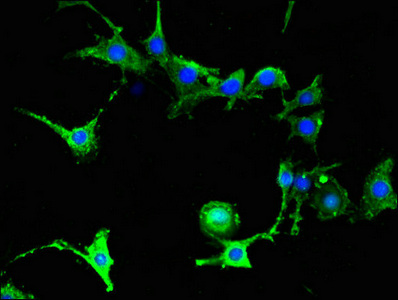
The antibody against FAAH was raised in rabbit using the Recombinant Human Fatty-acid amide hydrolase 1 protein (205-342AA) as the immunogen. This antibody exists as a non-conjugated isotype IgG, purified by protein G with a purity greater than 95%. This antibody has been validated on ELISA, IHC, IF.
$299.00
| Cat.No | ADC-12758A | Clonality | Polyclonal |
|---|---|---|---|
| Host Species | Rabbit | Target Name | FAAH |
| Target Synonyms | FAAH; FAAH1; Fatty-acid amide hydrolase 1; Anandamide amidohydrolase 1; Fatty acid ester hydrolase; Oleamide hydrolase 1 | Form | Liquid |
| Species Reactivity | Human | Isotype | IgG |
| Storage Buffer | 0.01M PBS, 0.03% Proclin 300; Constituents: 50% Glycerol, PH 7.4 | Purification Method | >95%, Protein G purified |
| Conjugate | Non-conjugated | Application | ELISA, IF, IHC |
| Storage | Upon receipt |
| Immunogen Description | Recombinant Human Fatty-acid amide hydrolase 1 protein (205-342AA) | Target Species | Human |
|---|---|---|---|
| Immunogen Sequence | Complete sequences for the immunogen, target protein, and peptides are available upon request. | Uniprot ID | O00519 |
Uniprot Id
O00519
Target Species
Human
Target Name
FAAH
Target Full Name
Fatty-acid amide hydrolase 1
Target Function
Catalyzes the hydrolysis of endogenous amidated lipids like the sleep-inducing lipid oleamide ((9Z)-octadecenamide), the endocannabinoid anandamide (N-(5Z,8Z,11Z,14Z-eicosatetraenoyl)-ethanolamine), as well as other fatty amides, to their corresponding fatty acids, thereby regulating the signaling functions of these molecules. Hydrolyzes polyunsaturated substrate anandamide preferentially as compared to monounsaturated substrates. It can also catalyze the hydrolysis of the endocannabinoid 2-arachidonoylglycerol (2-(5Z,8Z,11Z,14Z-eicosatetraenoyl)-glycerol). FAAH cooperates with PM20D1 in the hydrolysis of amino acid-conjugated fatty acids such as N-fatty acyl glycine and N-fatty acyl-L-serine, thereby acting as a physiological regulator of specific subsets of intracellular, but not of extracellular, N-fatty acyl amino acids.
Target Subcellular Location
Endomembrane system; Single-pass membrane protein. Cytoplasm, cytoskeleton. Note=Seems to be attached to intracellular membranes and a portion of the cytoskeletal network.
Target Protein Families
Amidase family
Target Tissue Specificity
Highly expressed in the brain, small intestine, pancreas, skeletal muscle and testis. Also expressed in the kidney, liver, lung, placenta and prostate.
Target Synonyms
FAAH; FAAH1; Fatty-acid amide hydrolase 1; Anandamide amidohydrolase 1; Fatty acid ester hydrolase; Oleamide hydrolase 1
Target Background
This gene encodes a protein that is responsible for the hydrolysis of a number of primary and secondary fatty acid amides, including the neuromodulatory compounds anandamide and oleamide.
Notification