• Contact info@abtriva.com for inquiries and orders.
  • Chinese (Simplified)

  • English

  • German

  • Korean

  • Spanish

United States (English / $ USD)

Rabbit anti-Human IGF2R Polyclonal Antibody

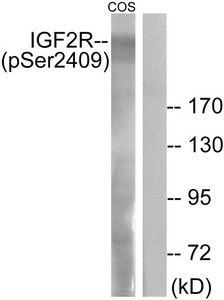
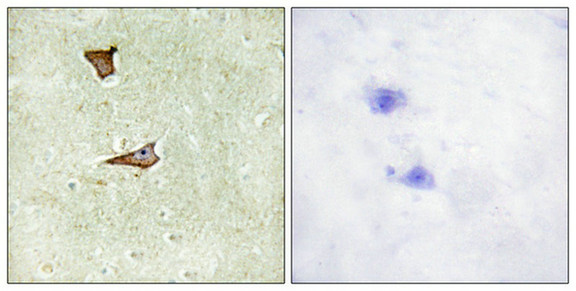
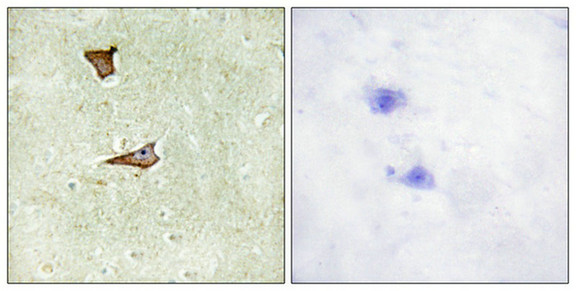
The antibody against IGF2R was raised in rabbit using the Peptide sequence around phosphorylation site of Serine 2409(Q-D-S(p)-E-D) derived from Human IGF2R. as the immunogen. Antibodies were produced by immunizing rabbits with synthetic phosphopeptide and KLH conjugates. Antibodies were purified by affinity-chromatography using epitope-specific phosphopeptide. Non-phospho specific antibodies were removed by chromatogramphy usi This antibody has been validated on ELISA, WB, IHC.

ADC-42759A

The antibody against IGF2R was raised in rabbit using the Peptide sequence around phosphorylation site of Serine 2409(Q-D-S(p)-E-D) derived from Human IGF2R. as the immunogen. Antibodies were produced by immunizing rabbits with synthetic phosphopeptide and KLH conjugates. Antibodies were purified by affinity-chromatography using epitope-specific phosphopeptide. Non-phospho specific antibodies were removed by chromatogramphy usi This antibody has been validated on ELISA, WB, IHC.

$360.00

Number
Order Exclusive Products Now

Request a Quote
High Purity LevelsPrecision and ReliabilityCustomization Options

Specifications


Cat.No ADC-42759A ClonalityPolyclonal
Host SpeciesRabbitTarget NameIGF2R
Target Synonymscation independent antibody; MPR 300 antibody; MPR300 antibody; MPRI antibody; MPRI_HUMAN antibodyFormLiquid
Species ReactivityHuman, MouseStorage BufferPH 7.4, 0.02% sodium azide and 50% glycerol., 150mM NaCl, Rabbit IgG in phosphate buffered saline (without Mg2+ and Ca2+)
ApplicationELISA, IHC, WBStorageUpon receipt

Immunogen Information


Immunogen DescriptionPeptide sequence around phosphorylation site of Serine 2409(Q-D-S(p)-E-D) derived from Human IGF2R.Target SpeciesHuman
Immunogen SequenceComplete sequences for the immunogen, target protein, and peptides are available upon request.Uniprot IDP11717
Background Information
  • Uniprot Id

    P11717

  • Target Species

    Human

  • Target Name

    IGF2R

  • Target Full Name

    Cation-independent mannose-6-phosphate receptor

  • Target Function

    Mediates the transport of phosphorylated lysosomal enzymes from the Golgi complex and the cell surface to lysosomes. Lysosomal enzymes bearing phosphomannosyl residues bind specifically to mannose-6-phosphate receptors in the Golgi apparatus and the resulting receptor-ligand complex is transported to an acidic prelysosomal compartment where the low pH mediates the dissociation of the complex. The receptor is then recycled back to the Golgi for another round of trafficking through its binding to the retromer. This receptor also binds IGF2. Acts as a positive regulator of T-cell coactivation by binding DPP4.

  • Target Subcellular Location

    Golgi apparatus membrane; Single-pass type I membrane protein. Endosome membrane; Single-pass type I membrane protein.

  • Target Protein Families

    MRL1/IGF2R family

  • Target Research Area

    Transport

  • Target Synonyms

    300 kDa mannose 6 phosphate receptor; 300 kDa mannose 6-phosphate receptor; Cation independent mannose 6 phosphate receptor; Cation-independent mannose-6-phosphate receptor; CD222; CD222 antigen; CI Man 6 P receptor; CI Man-6-P receptor; CI MPR; CI-M6PR; CI-MPR; CIMPR; IGF 2 receptor; IGF 2R; IGF II receptor; IGF-II receptor; IGF2 receptor; Igf2r; Insulin like growth factor 2 receptor; Insulin like growth factor II receptor; Insulin-like growth factor 2 receptor; Insulin-like growth factor II receptor; M6P R; M6P/IGF2 receptor; M6P/IGF2R; M6PR; mannose 6 phosphate receptor; mannose 6 phosphate receptor, cation independent; MPR 300; MPR300; MPRI; MPRI_HUMAN

  • Target Background

    This gene encodes a receptor for both insulin-like growth factor 2 and mannose 6-phosphate. The binding sites for each ligand are located on different segments of the protein. This receptor has various functions, including in the intracellular trafficking of lysosomal enzymes, the activation of transforming growth factor beta, and the degradation of insulin-like growth factor 2. Mutation or loss of heterozygosity of this gene has been association with risk of hepatocellular carcinoma. The orthologous mouse gene is imprinted and shows exclusive expression from the maternal allele; however, imprinting of the human gene may be polymorphic, as only a minority of individuals showed biased expression from the maternal allele (PMID:8267611).

Inquire Rabbit anti-Human IGF2R Polyclonal Antibody Now


AbTriva respects your privacy and protects your personal data in accordance with AbTriva. For more information, please see our data protection statement. *

Notification