• Contact info@abtriva.com for inquiries and orders.
  • Chinese (Simplified)

  • English

  • German

  • Korean

  • Spanish

United States (English / $ USD)

Rabbit anti-Human PENK Polyclonal Antibody

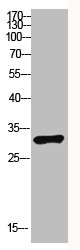
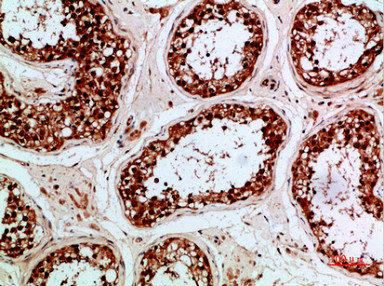
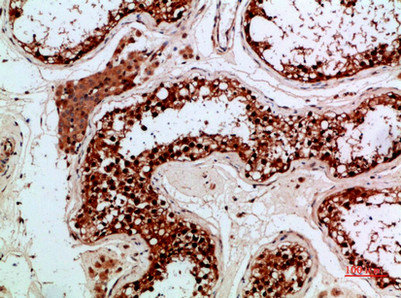
The antibody against PENK was raised in rabbit using the Synthetic peptide from Human protein at AA range: 51-100 as the immunogen. This antibody exists as a non-conjugated antibody. The antibody was affinity-purified from rabbit serum by affinity-chromatography using specific immunogen. This antibody has been validated on WB, ELISA.

ADC-13071A

The antibody against PENK was raised in rabbit using the Synthetic peptide from Human protein at AA range: 51-100 as the immunogen. This antibody exists as a non-conjugated antibody. The antibody was affinity-purified from rabbit serum by affinity-chromatography using specific immunogen. This antibody has been validated on WB, ELISA.

$167.00

Number
Order Exclusive Products Now

Request a Quote
High Purity LevelsPrecision and ReliabilityCustomization Options

Specifications


Cat.No ADC-13071A ClonalityPolyclonal
Host SpeciesRabbitTarget NamePENK
FormLiquidSpecies ReactivityHuman
Storage BufferPH 7.4, containing 0.02% sodium azide as Preservative and 50% Glycerol., PBSPurification MethodThe antibody was affinity-purified from rabbit serum by affinity-chromatography using specific immunogen.
ConjugateNon-conjugatedApplicationELISA, WB
StorageUpon receipt

Immunogen Information


Immunogen DescriptionSynthetic peptide from Human protein at AA range: 51-100Target SpeciesHuman
Immunogen SequenceComplete sequences for the immunogen, target protein, and peptides are available upon request.Uniprot IDP01210
Background Information
  • Uniprot Id

    P01210

  • Target Species

    Human

  • Target Name

    PENK

  • Target Full Name

    Proenkephalin-A

  • Target Function

    Competes with and mimic the effects of opiate drugs. They play a role in a number of physiologic functions, including pain perception and responses to stress.; Competes with and mimic the effects of opiate drugs. They play a role in a number of physiologic functions, including pain perception and responses to stress.; Increases glutamate release in the striatum and decreases GABA concentration in the striatum.; Increases glutamate release in the striatum.

  • Target Subcellular Location

    Cytoplasmic vesicle, secretory vesicle, chromaffin granule lumen. Secreted.

  • Target Protein Families

    Opioid neuropeptide precursor family

  • Target Synonyms

    Leu-enkephalin; Met-enkephalin; Met-enkephalin-Arg-Gly-Leu; Met-enkephalin-Arg-Phe; Methionine enkephalin; OGF; Opioid growth factor; PENK; PENK(114-133); PENK(143-183); PENK(237-258); PENK_HUMAN; PPA; Proenkephalin A; Proenkephalin; Proenkephalin-A; Synenkephalin

  • Target Background

    This gene encodes a preproprotein that is proteolytically processed to generate multiple protein products. These products include the pentapeptide opioids Met-enkephalin and Leu-enkephalin, which are stored in synaptic vesicles, then released into the synapse where they bind to mu- and delta-opioid receptors to modulate the perception of pain. Other non-opioid cleavage products may function in distinct biological activities.

Inquire Rabbit anti-Human PENK Polyclonal Antibody Now


AbTriva respects your privacy and protects your personal data in accordance with AbTriva. For more information, please see our data protection statement. *

Notification