• Contact info@abtriva.com for inquiries and orders.
  • Chinese (Simplified)

  • English

  • German

  • Korean

  • Spanish

United States (English / $ USD)

Rabbit anti-Human QPCT Polyclonal Antibody

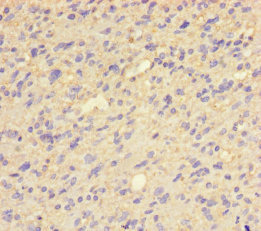
The antibody against QPCT was raised in rabbit using the Recombinant Human Glutaminyl-peptide cyclotransferase protein (29-361AA) as the immunogen. This antibody exists as a non-conjugated isotype IgG, purified by protein G with a purity greater than 95%. This antibody has been validated on ELISA, WB, IHC.

ADC-50152A

The antibody against QPCT was raised in rabbit using the Recombinant Human Glutaminyl-peptide cyclotransferase protein (29-361AA) as the immunogen. This antibody exists as a non-conjugated isotype IgG, purified by protein G with a purity greater than 95%. This antibody has been validated on ELISA, WB, IHC.

$299.00

Number
Order Exclusive Products Now

Request a Quote
High Purity LevelsPrecision and ReliabilityCustomization Options

Specifications


Cat.No ADC-50152A ClonalityPolyclonal
Host SpeciesRabbitTarget NameQPCT
FormLiquidSpecies ReactivityHuman, Rat
IsotypeIgGStorage Buffer0.01M PBS, 0.03% Proclin 300; Constituents: 50% Glycerol, PH 7.4
Purification Method>95%, Protein G purifiedConjugateNon-conjugated
ApplicationELISA, IHC, WBStorageUpon receipt

Immunogen Information


Immunogen DescriptionRecombinant Human Glutaminyl-peptide cyclotransferase protein (29-361AA)Target SpeciesHuman
Immunogen SequenceComplete sequences for the immunogen, target protein, and peptides are available upon request.Uniprot IDQ16769
Background Information
  • Uniprot Id

    Q16769

  • Target Species

    Human

  • Target Name

    QPCT

  • Target Full Name

    Glutaminyl-peptide cyclotransferase

  • Target Function

    Responsible for the biosynthesis of pyroglutamyl peptides. Has a bias against acidic and tryptophan residues adjacent to the N-terminal glutaminyl residue and a lack of importance of chain length after the second residue. Also catalyzes N-terminal pyroglutamate formation. In vitro, catalyzes pyroglutamate formation of N-terminally truncated form of APP amyloid-beta peptides [Glu-3]-amyloid-beta. May be involved in the N-terminal pyroglutamate formation of several amyloid-related plaque-forming peptides.

  • Target Subcellular Location

    Secreted.

  • Target Protein Families

    Glutaminyl-peptide cyclotransferase family

  • Target Research Area

    Neuroscience

  • Target Synonyms

    5730422A13Rik; EC; GCT; Glutaminyl cyclase; Glutaminyl peptide cyclotransferase; Glutaminyl tRNA cyclotransferase; Glutaminyl-peptide cyclotransferase; Glutaminyl-tRNA cyclotransferase; Glutamyl cyclase; QC; qpct; QPCT_HUMAN; sQC

  • Target Background

    This gene encodes human pituitary glutaminyl cyclase, which is responsible for the presence of pyroglutamyl residues in many neuroendocrine peptides. The amino acid sequence of this enzyme is 86% identical to that of bovine glutaminyl cyclase.

Inquire Rabbit anti-Human QPCT Polyclonal Antibody Now


AbTriva respects your privacy and protects your personal data in accordance with AbTriva. For more information, please see our data protection statement. *

Notification