• Contact info@abtriva.com for inquiries and orders.
  • Chinese (Simplified)

  • English

  • German

  • Korean

  • Spanish

United States (English / $ USD)

Rabbit anti-Human SPTLC1 Polyclonal Antibody

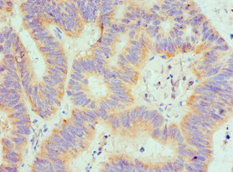
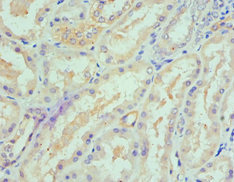
The antibody against SPTLC1 was raised in rabbit using the Recombinant Human Serine palmitoyltransferase 1 protein (37-310AA) as the immunogen. This antibody exists as a non-conjugated isotype IgG, Antigen affinity purified. This antibody has been validated on ELISA, WB, IHC.

ADC-45302A

The antibody against SPTLC1 was raised in rabbit using the Recombinant Human Serine palmitoyltransferase 1 protein (37-310AA) as the immunogen. This antibody exists as a non-conjugated isotype IgG, Antigen affinity purified. This antibody has been validated on ELISA, WB, IHC.

$299.00

Number
Order Exclusive Products Now

Request a Quote
High Purity LevelsPrecision and ReliabilityCustomization Options

Specifications


Cat.No ADC-45302A ClonalityPolyclonal
Host SpeciesRabbitTarget NameSPTLC1
Target SynonymsSPTLC1; LCB1; Serine palmitoyltransferase 1; Long chain base biosynthesis protein 1; LCB 1; Serine-palmitoyl-CoA transferase 1; SPT 1; SPT1FormLiquid
Species ReactivityHumanIsotypeIgG
Storage Buffer50% Glycerol, PBS with 0.02% sodium azide, pH7.3.Purification MethodAntigen affinity purified
ConjugateNon-conjugatedApplicationELISA, IHC, WB
StorageUpon receipt

Immunogen Information


Immunogen DescriptionRecombinant Human Serine palmitoyltransferase 1 protein (37-310AA)Target SpeciesHuman
Immunogen SequenceComplete sequences for the immunogen, target protein, and peptides are available upon request.Uniprot IDO15269
Background Information
  • Uniprot Id

    O15269

  • Target Species

    Human

  • Target Name

    SPTLC1

  • Target Full Name

    Serine palmitoyltransferase 1

  • Target Function

    Serine palmitoyltransferase (SPT). The heterodimer formed with SPTLC2 or SPTLC3 constitutes the catalytic core. The composition of the serine palmitoyltransferase (SPT) complex determines the substrate preference. The SPTLC1-SPTLC2-SPTSSA complex shows a strong preference for C16-CoA substrate, while the SPTLC1-SPTLC3-SPTSSA isozyme uses both C14-CoA and C16-CoA as substrates, with a slight preference for C14-CoA. The SPTLC1-SPTLC2-SPTSSB complex shows a strong preference for C18-CoA substrate, while the SPTLC1-SPTLC3-SPTSSB isozyme displays an ability to use a broader range of acyl-CoAs, without apparent preference. Required for adipocyte cell viability and metabolic homeostasis.

  • Target Involvement

    Neuropathy, hereditary sensory and autonomic, 1A (HSAN1A)

  • Target Subcellular Location

    Endoplasmic reticulum membrane; Single-pass membrane protein.

  • Target Protein Families

    Class-II pyridoxal-phosphate-dependent aminotransferase family

  • Target Tissue Specificity

    Widely expressed. Not detected in small intestine.

  • Target Synonyms

    SPTLC1; LCB1; Serine palmitoyltransferase 1; Long chain base biosynthesis protein 1; LCB 1; Serine-palmitoyl-CoA transferase 1; SPT 1; SPT1

  • Target Background

    This gene encodes a member of the class-II pyridoxal-phosphate-dependent aminotransferase family. The encoded protein is the long chain base subunit 1 of serine palmitoyltransferase. Serine palmitoyltransferase converts L-serine and palmitoyl-CoA to 3-oxosphinganine with pyridoxal 5'-phosphate and is the key enzyme in sphingolipid biosynthesis. Mutations in this gene were identified in patients with hereditary sensory neuropathy type 1. Alternatively spliced variants encoding different isoforms have been identified. Pseudogenes of this gene have been defined on chromosomes 1, 6, 10, and 13.

Inquire Rabbit anti-Human SPTLC1 Polyclonal Antibody Now


AbTriva respects your privacy and protects your personal data in accordance with AbTriva. For more information, please see our data protection statement. *

Notification