• Contact info@abtriva.com for inquiries and orders.
  • Chinese (Simplified)

  • English

  • German

  • Korean

  • Spanish

United States (English / $ USD)

Rabbit anti-Human USP14 Polyclonal Antibody

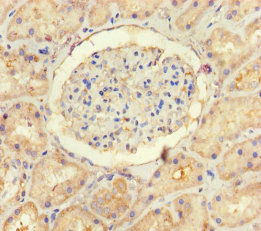
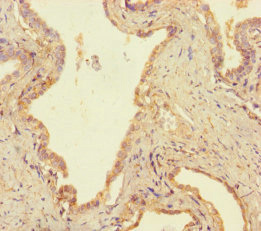
The antibody against USP14 was raised in rabbit using the Recombinant Human Ubiquitin carboxyl-terminal hydrolase 14 protein (1-494AA) as the immunogen. This antibody exists as a non-conjugated isotype IgG, purified by protein G with a purity greater than 95%. This antibody has been validated on ELISA, WB, IHC, IF.

ADC-50123A

The antibody against USP14 was raised in rabbit using the Recombinant Human Ubiquitin carboxyl-terminal hydrolase 14 protein (1-494AA) as the immunogen. This antibody exists as a non-conjugated isotype IgG, purified by protein G with a purity greater than 95%. This antibody has been validated on ELISA, WB, IHC, IF.

$299.00

Number
Order Exclusive Products Now

Request a Quote
High Purity LevelsPrecision and ReliabilityCustomization Options

Specifications


Cat.No ADC-50123A ClonalityPolyclonal
Host SpeciesRabbitTarget NameUSP14
FormLiquidSpecies ReactivityHuman, Mouse
IsotypeIgGStorage Buffer0.01M PBS, 0.03% Proclin 300; Constituents: 50% Glycerol, PH 7.4
Purification Method>95%, Protein G purifiedConjugateNon-conjugated
ApplicationELISA, IF, IHC, WBStorageUpon receipt

Immunogen Information


Immunogen DescriptionRecombinant Human Ubiquitin carboxyl-terminal hydrolase 14 protein (1-494AA)Target SpeciesHuman
Immunogen SequenceComplete sequences for the immunogen, target protein, and peptides are available upon request.Uniprot IDP54578
Background Information
  • Uniprot Id

    P54578

  • Target Species

    Human

  • Target Name

    USP14

  • Target Full Name

    Ubiquitin carboxyl-terminal hydrolase 14

  • Target Function

    Proteasome-associated deubiquitinase which releases ubiquitin from the proteasome targeted ubiquitinated proteins. Ensures the regeneration of ubiquitin at the proteasome. Is a reversibly associated subunit of the proteasome and a large fraction of proteasome-free protein exists within the cell. Required for the degradation of the chemokine receptor CXCR4 which is critical for CXCL12-induced cell chemotaxis. Serves also as a physiological inhibitor of endoplasmic reticulum-associated degradation (ERAD) under the non-stressed condition by inhibiting the degradation of unfolded endoplasmic reticulum proteins via interaction with ERN1. Indispensable for synaptic development and function at neuromuscular junctions (NMJs). Plays a role in the innate immune defense against viruses by stabilizing the viral DNA sensor CGAS and thus inhibiting its autophagic degradation.

  • Target Subcellular Location

    Cytoplasm. Cell membrane; Peripheral membrane protein.

  • Target Protein Families

    Peptidase C19 family, USP14/UBP6 subfamily

  • Target Research Area

    Epigenetics and Nuclear Signaling

  • Target Synonyms

    Deubiquitinating enzyme 14; TGT; tRNA guanine transglycosylase 60 kD subunit; tRNA guanine transglycosylase; Ubiquitin carboxyl terminal hydrolase 14; Ubiquitin carboxyl-terminal hydrolase 14; Ubiquitin specific peptidase 14; Ubiquitin specific processing protease 14; Ubiquitin specific protease 14; Ubiquitin thiolesterase 14; Ubiquitin-specific-processing protease 14; UBP14_HUMAN; USP 14; USP14

  • Target Background

    This gene encodes a member of the ubiquitin-specific processing (UBP) family of proteases that is a deubiquitinating enzyme (DUB) with His and Cys domains. This protein is located in the cytoplasm and cleaves the ubiquitin moiety from ubiquitin-fused precursors and ubiquitinylated proteins. Mice with a mutation that results in reduced expression of the ortholog of this protein are retarded for growth, develop severe tremors by 2 to 3 weeks of age followed by hindlimb paralysis and death by 6 to 10 weeks of age. Alternate transcriptional splice variants, encoding different isoforms, have been characterized.

Inquire Rabbit anti-Human USP14 Polyclonal Antibody Now


AbTriva respects your privacy and protects your personal data in accordance with AbTriva. For more information, please see our data protection statement. *

Notification