• Contact info@abtriva.com for inquiries and orders.
  • Chinese (Simplified)

  • English

  • German

  • Korean

  • Spanish

United States (English / $ USD)

Rabbit anti-Mus musculus (Mouse) Gdf5 Polyclonal Antibody

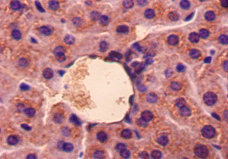
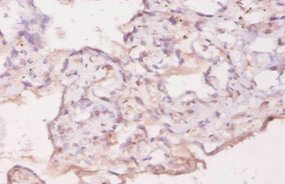
The antibody against Gdf5 was raised in rabbit using the Recombinant Mouse Growth/differentiation factor 5 protein (376-495AA) as the immunogen. This antibody exists as a non-conjugated isotype IgG, purified by protein G with a purity greater than 95%. This antibody has been validated on ELISA, IHC.

ADC-50912A

The antibody against Gdf5 was raised in rabbit using the Recombinant Mouse Growth/differentiation factor 5 protein (376-495AA) as the immunogen. This antibody exists as a non-conjugated isotype IgG, purified by protein G with a purity greater than 95%. This antibody has been validated on ELISA, IHC.

$299.00

Number
Order Exclusive Products Now

Request a Quote
High Purity LevelsPrecision and ReliabilityCustomization Options

Specifications


Cat.No ADC-50912A ClonalityPolyclonal
Host SpeciesRabbitTarget NameGDF5
Target SynonymsGdf5 antibody; Bmp14 antibody; Bp antibody; Gdf-5Growth/differentiation factor 5 antibody; GDF-5 antibody; Bone morphogenetic protein 14 antibody; BMP-14 antibodyFormLiquid
Species ReactivityMouseIsotypeIgG
Storage Buffer0.01M PBS, 0.03% Proclin 300; Constituents: 50% Glycerol, PH 7.4Purification Method>95%, Protein G purified
ConjugateNon-conjugatedApplicationELISA, IHC
StorageUpon receipt

Immunogen Information


Immunogen DescriptionRecombinant Mouse Growth/differentiation factor 5 protein (376-495AA)Target SpeciesMus musculus (Mouse)
Immunogen SequenceComplete sequences for the immunogen, target protein, and peptides are available upon request.Uniprot IDP43027
Background Information
  • Uniprot Id

    P43027

  • Target Species

    Mouse

  • Target Name

    GDF5

  • Target Full Name

    Growth/differentiation factor 5

  • Target Function

    Growth factor involved in bone and cartilage formation. During cartilage development regulates differentiation of chondrogenic tissue through two pathways. Firstly, positively regulates differentiation of chondrogenic tissue through its binding of high affinity with BMPR1B and of less affinity with BMPR1A, leading to induction of SMAD1-SMAD5-SMAD8 complex phosphorylation and then SMAD protein signaling transduction. Secondly, negatively regulates chondrogenic differentiation through its interaction with NOG. Required to prevent excessive muscle loss upon denervation. This function requires SMAD4 and is mediated by phosphorylated SMAD1/5/8. Binds bacterial lipopolysaccharide (LPS) and mediates LPS-induced inflammatory response, including TNF secretion by monocytes.

  • Target Involvement

    Defects in Gdf5 are the cause of brachypodism (bp) which alters the length and numbers of bones in the limbs but spares the axial skeleton.

  • Target Subcellular Location

    Secreted. Cell membrane.

  • Target Protein Families

    TGF-beta family

Inquire Rabbit anti-Mus musculus (Mouse) Gdf5 Polyclonal Antibody Now


AbTriva respects your privacy and protects your personal data in accordance with AbTriva. For more information, please see our data protection statement. *

Notification