• Contact info@abtriva.com for inquiries and orders.
  • Chinese (Simplified)

  • English

  • German

  • Korean

  • Spanish

United States (English / $ USD)

Rabbit anti-Human BTN3A1 Polyclonal Antibody

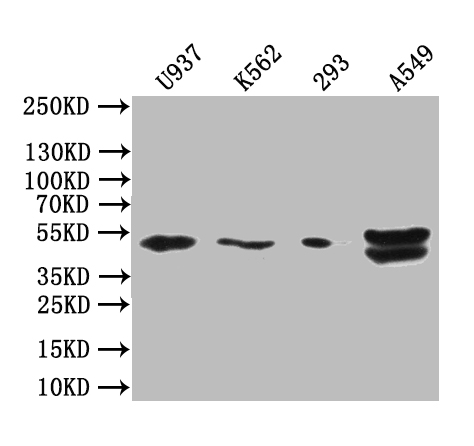
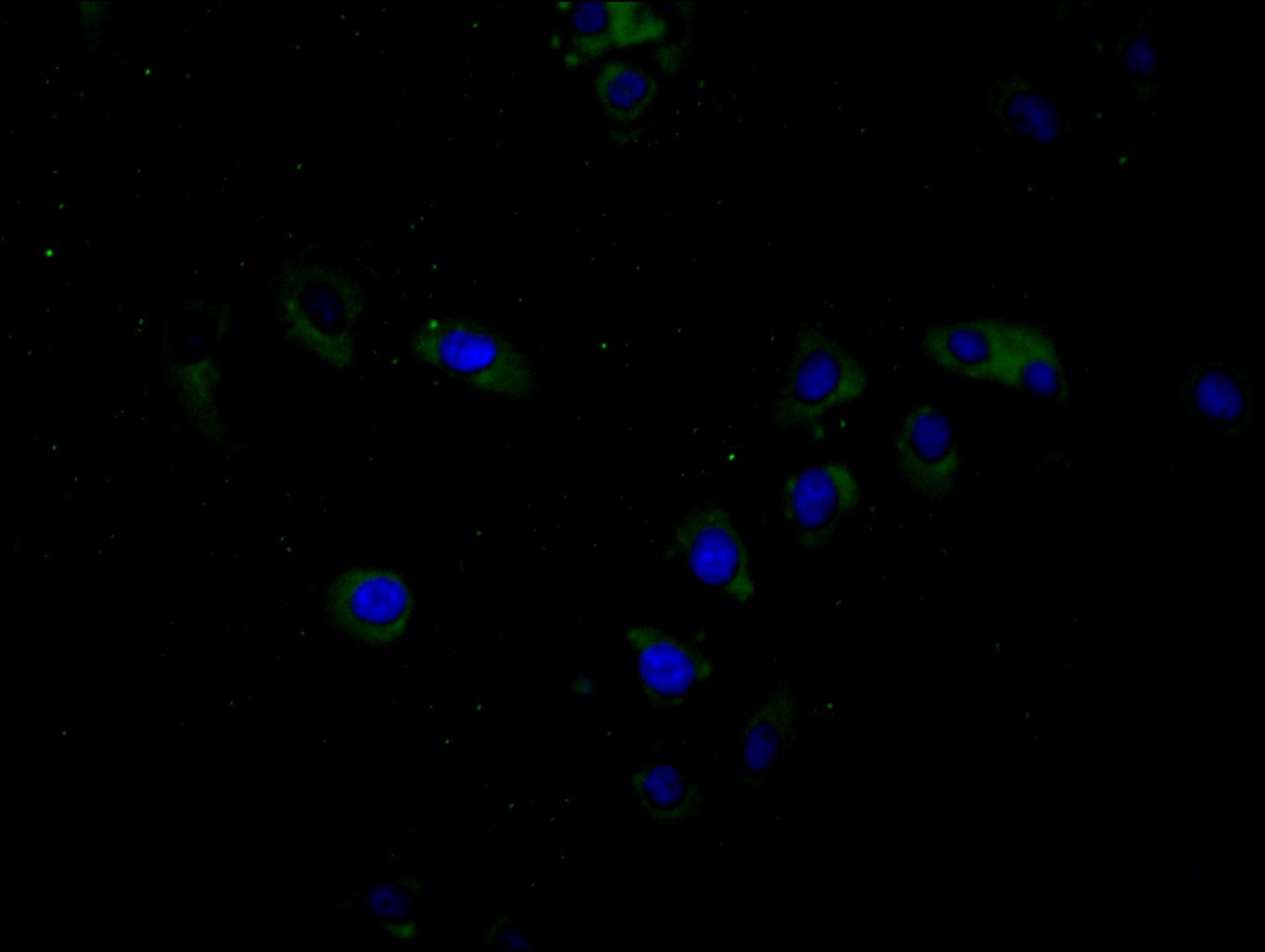
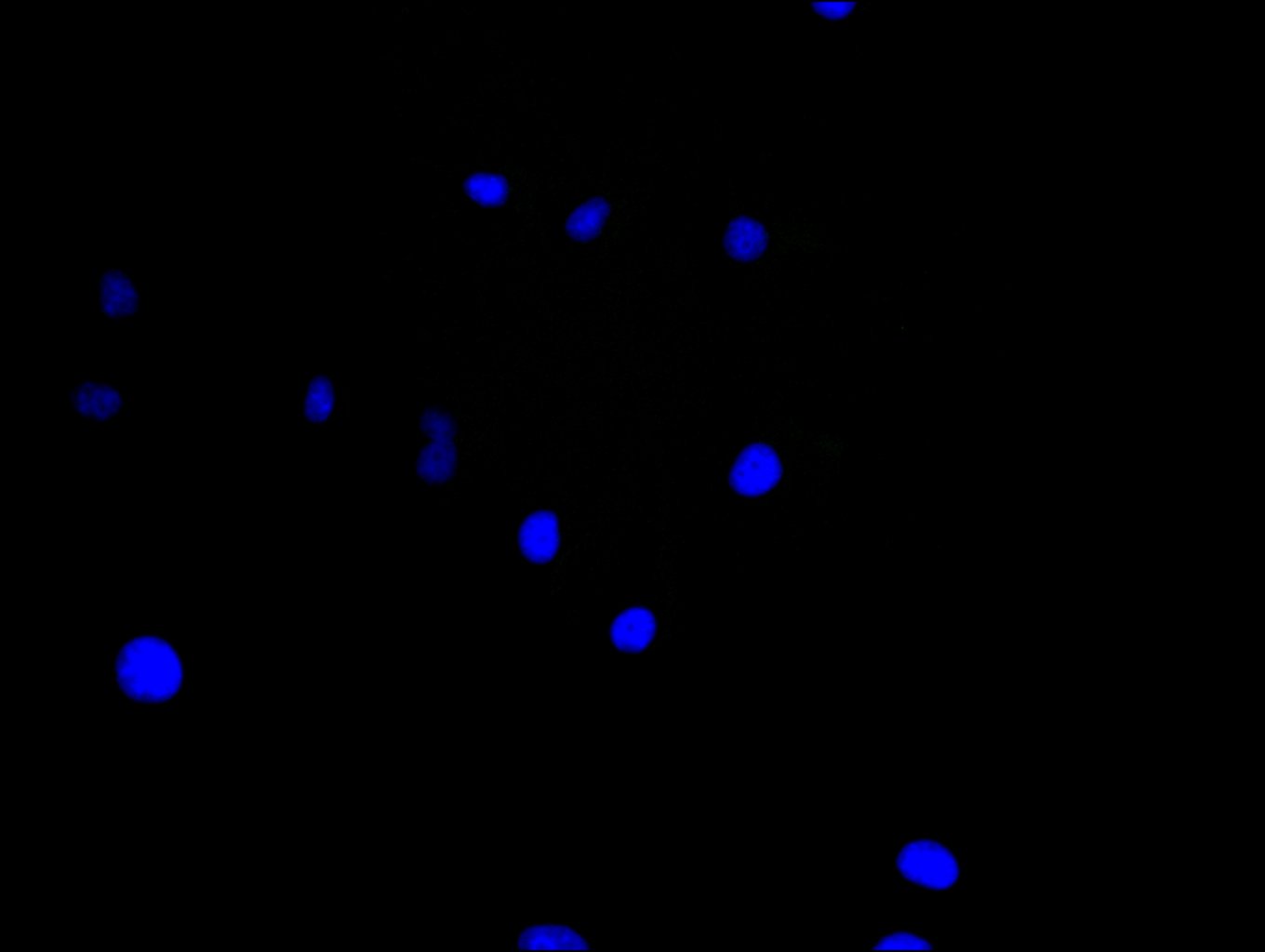
The antibody against BTN3A1 was raised in rabbit using the Recombinant Human Butyrophilin subfamily 3 member A1 protein (30-254AA) as the immunogen. This antibody exists as a non-conjugated isotype IgG, Antigen affinity purified. This antibody has been validated on ELISA, WB , IF.

ADC-25208A

The antibody against BTN3A1 was raised in rabbit using the Recombinant Human Butyrophilin subfamily 3 member A1 protein (30-254AA) as the immunogen. This antibody exists as a non-conjugated isotype IgG, Antigen affinity purified. This antibody has been validated on ELISA, WB , IF.

$600.00

Number
Order Exclusive Products Now

Request a Quote
High Purity LevelsPrecision and ReliabilityCustomization Options

Specifications


Cat.No ADC-25208A ClonalityPolyclonal
Host SpeciesRabbitTarget NameBTN3A1
Target SynonymsBT3A1_HUMAN antibody; BTN3A1 antibody; Butyrophilin subfamily 3 member A1 antibody; CD277 antibodyFormLiquid
Species ReactivityHumanIsotypeIgG
Storage Buffer0.02% sodium azideConstituents: PBS containing 50% glycerol pH 7.3Purification MethodAntigen affinity purified
ConjugateNon-conjugatedApplicationELISA, IF, WB
StorageUpon receipt

Immunogen Information


Immunogen DescriptionRecombinant Human Butyrophilin subfamily 3 member A1 protein (30-254AA)Target SpeciesHuman
Immunogen SequenceComplete sequences for the immunogen, target protein, and peptides are available upon request.Uniprot IDO00481
Background Information
  • Uniprot Id

    O00481

  • Target Species

    Human

  • Target Name

    BTN3A1

  • Target Full Name

    Butyrophilin subfamily 3 member A1

  • Target Function

    Plays a role in T-cell activation and in the adaptive immune response. Regulates the proliferation of activated T-cells. Regulates the release of cytokines and IFNG by activated T-cells. Mediates the response of T-cells toward infected and transformed cells that are characterized by high levels of phosphorylated metabolites, such as isopentenyl pyrophosphate.

  • Target Subcellular Location

    Cell membrane; Single-pass type I membrane protein.

  • Target Protein Families

    Immunoglobulin superfamily, BTN/MOG family

  • Target Tissue Specificity

    Detected on T-cells, natural killer cells, dendritic cells and macrophages (at protein level). Ubiquitous. Highly expressed in heart, pancreas and lung, Moderately expressed in placenta, liver and muscle.

  • Target Research Area

    Immunology

  • Target Synonyms

    BT3A1_HUMAN; BTN3A1; Butyrophilin subfamily 3 member A1; CD277

  • Target Background

    The butyrophilin (BTN) genes are a group of major histocompatibility complex (MHC)-associated genes that encode type I membrane proteins with 2 extracellular immunoglobulin (Ig) domains and an intracellular B30.2 (PRYSPRY) domain. Three subfamilies of human BTN genes are located in the MHC class I region: the single-copy BTN1A1 gene (MIM 601610) and the BTN2 (e.g., BTN2A1; MIM 613590) and BTN3 (e.g., BNT3A1) genes, which have undergone tandem duplication, resulting in 3 copies of each (summary by Smith et al., 2010 [PubMed 20208008]).

Inquire Rabbit anti-Human BTN3A1 Polyclonal Antibody Now


AbTriva respects your privacy and protects your personal data in accordance with AbTriva. For more information, please see our data protection statement. *

Notification