• Contact info@abtriva.com for inquiries and orders.
  • Chinese (Simplified)

  • English

  • German

  • Korean

  • Spanish

United States (English / $ USD)

Rabbit anti-Human ACSS1 Polyclonal Antibody

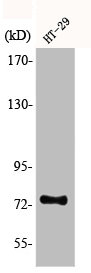
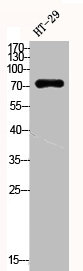
The antibody against ACSS1 was raised in rabbit using the Synthesized peptide derived from the C-terminal region of Human ACSS1. as the immunogen. This antibody exists as a non-conjugated isotype IgG. The antibody was affinity-purified from rabbit antiserum by affinity-chromatography using epitope-specific immunogen. This antibody has been validated on WB, IHC, ELISA.

ADC-39391A

The antibody against ACSS1 was raised in rabbit using the Synthesized peptide derived from the C-terminal region of Human ACSS1. as the immunogen. This antibody exists as a non-conjugated isotype IgG. The antibody was affinity-purified from rabbit antiserum by affinity-chromatography using epitope-specific immunogen. This antibody has been validated on WB, IHC, ELISA.

$167.00

Number
Order Exclusive Products Now

Request a Quote
High Purity LevelsPrecision and ReliabilityCustomization Options

Specifications


Cat.No ADC-39391A ClonalityPolyclonal
Host SpeciesRabbitTarget NameACSS1
FormLiquidSpecies ReactivityHuman, Mouse
IsotypeIgGStorage Buffer0.5% BSA and 0.02% sodium azide., Liquid in PBS containing 50% glycerol
Purification MethodThe antibody was affinity-purified from rabbit antiserum by affinity-chromatography using epitope-specific immunogen.ConjugateNon-conjugated
ApplicationELISA, IHC, WBStorageUpon receipt

Immunogen Information


Immunogen DescriptionSynthesized peptide derived from the C-terminal region of Human ACSS1.Target SpeciesHuman
Immunogen SequenceComplete sequences for the immunogen, target protein, and peptides are available upon request.Uniprot IDQ9NUB1
Background Information
  • Uniprot Id

    Q9NUB1

  • Target Species

    Human

  • Target Name

    ACSS1

  • Target Full Name

    Acetyl-coenzyme A synthetase 2-like, mitochondrial

  • Target Function

    Catalyzes the synthesis of acetyl-CoA from short-chain fatty acids. Acetate is the preferred substrate. Can also utilize propionate with a much lower affinity. Provides acetyl-CoA that is utilized mainly for oxidation under ketogenic conditions. Involved in thermogenesis under ketogenic conditions, using acetate as a vital fuel when carbohydrate availability is insufficient.

  • Target Subcellular Location

    Mitochondrion matrix.

  • Target Protein Families

    ATP-dependent AMP-binding enzyme family

  • Target Research Area

    others

  • Target Synonyms

    ACAS2L; AceCS2; AceCS2L; Acetate CoA ligase 2; Acetate--CoA ligase 2; Acetyl CoA synthetase 2; Acetyl Coenzyme A synthetase 2 (AMP forming) like; Acetyl coenzyme A synthetase 2 like; mitochondrial; Acetyl-CoA synthetase 2; Acetyl-coenzyme A synthetase 2-like; mitochondrial; ACS2L_HUMAN; Acss1; Acyl CoA synthetase short chain family member 1; Acyl-CoA synthetase short-chain family member 1; FLJ45659; KIAA1846; MGC33843

  • Target Background

    This gene encodes a mitochondrial acetyl-CoA synthetase enzyme. A similar protein in mice plays an important role in the tricarboxylic acid cycle by catalyzing the conversion of acetate to acetyl CoA. Alternatively spliced transcript variants encoding multiple isoforms have been observed for this gene.

Inquire Rabbit anti-Human ACSS1 Polyclonal Antibody Now


AbTriva respects your privacy and protects your personal data in accordance with AbTriva. For more information, please see our data protection statement. *

Notification