• Contact info@abtriva.com for inquiries and orders.
  • Chinese (Simplified)

  • English

  • German

  • Korean

  • Spanish

United States (English / $ USD)

Rabbit anti-Human CDH17 Polyclonal Antibody

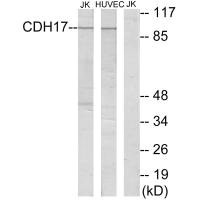
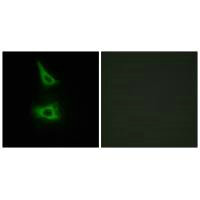
The antibody against CDH17 was raised in rabbit using the Synthesized peptide derived from internal of Human CDH17. as the immunogen. The antibody was affinity-purified from rabbit antiserum by affinity-chromatography using epitope-specific immunogen. This antibody has been validated on ELISA, WB, IF.

ADC-41704A

The antibody against CDH17 was raised in rabbit using the Synthesized peptide derived from internal of Human CDH17. as the immunogen. The antibody was affinity-purified from rabbit antiserum by affinity-chromatography using epitope-specific immunogen. This antibody has been validated on ELISA, WB, IF.

$297.00

Number
Order Exclusive Products Now

Request a Quote
High Purity LevelsPrecision and ReliabilityCustomization Options

Specifications


Cat.No ADC-41704A ClonalityPolyclonal
Host SpeciesRabbitTarget NameCDH17
FormLiquidSpecies ReactivityHuman
Storage BufferPH 7.4, 0.02% sodium azide and 50% glycerol., 150mM NaCl, Rabbit IgG in phosphate buffered saline (without Mg2+ and Ca2+)Purification MethodThe antibody was affinity-purified from rabbit antiserum by affinity-chromatography using epitope-specific immunogen.
ApplicationELISA, IF, WBStorageUpon receipt

Immunogen Information


Immunogen DescriptionSynthesized peptide derived from internal of Human CDH17.Target SpeciesHuman
Immunogen SequenceComplete sequences for the immunogen, target protein, and peptides are available upon request.Uniprot IDQ12864
Background Information
  • Uniprot Id

    Q12864

  • Target Species

    Human

  • Target Name

    CDH17

  • Target Full Name

    Cadherin-17

  • Target Function

    Cadherins are calcium-dependent cell adhesion proteins. They preferentially interact with themselves in a homophilic manner in connecting cells; cadherins may thus contribute to the sorting of heterogeneous cell types. LI-cadherin may have a role in the morphological organization of liver and intestine. Involved in intestinal peptide transport.

  • Target Subcellular Location

    Cell membrane; Single-pass type I membrane protein.

  • Target Tissue Specificity

    Expressed in the gastrointestinal tract and pancreatic duct. Not detected in kidney, lung, liver, brain, adrenal gland and skin.

  • Target Synonyms

    BILL-cadherin; CAD17_HUMAN; Cadherin 16; Cadherin 16; formerly; Cadherin 17; cadherin 17; LI cadherin (liver-intestine); cadherin; liver-intestine; Cadherin-17; CDH16; CDH16; formerly; Cdh17; FLJ26931 ; Formerly Cadherin 16; Formerly CDH16; HPT 1; HPT-1 cadherin; human intestinal peptide-associated transporter HPT-1; human peptide transporter 1; Intestinal peptide-associated transporter HPT 1; Intestinal peptide-associated transporter HPT-1; LI-cadherin; Liver Cadherin; liver intestine cadherin; Liver-intestine cadherin

  • Target Background

    This gene is a member of the cadherin superfamily, genes encoding calcium-dependent, membrane-associated glycoproteins. The encoded protein is cadherin-like, consisting of an extracellular region, containing 7 cadherin domains, and a transmembrane region but lacking the conserved cytoplasmic domain. The protein is a component of the gastrointestinal tract and pancreatic ducts, acting as an intestinal proton-dependent peptide transporter in the first step in oral absorption of many medically important peptide-based drugs. The protein may also play a role in the morphological organization of liver and intestine. Alternative splicing results in multiple transcript variants.

Inquire Rabbit anti-Human CDH17 Polyclonal Antibody Now


AbTriva respects your privacy and protects your personal data in accordance with AbTriva. For more information, please see our data protection statement. *

Notification