-
Chinese (Simplified)
-
English
-
German
-
Korean
-
Spanish
Chinese (Simplified)
English
German
Korean
Spanish
Sign up for an account to enjoy easy online shopping and instant order tracking.
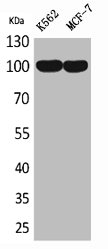
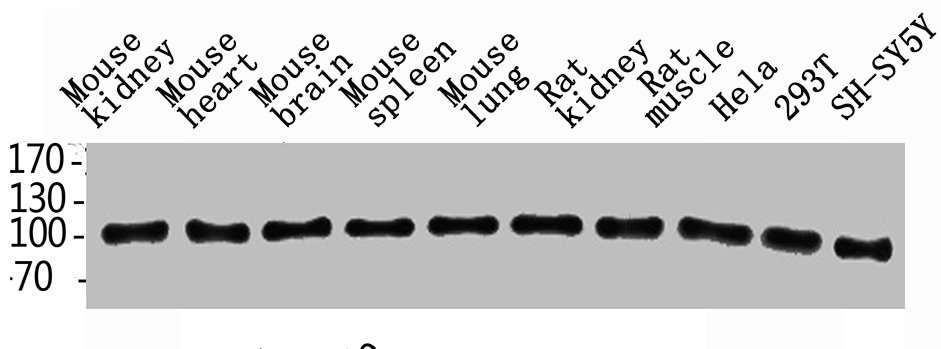
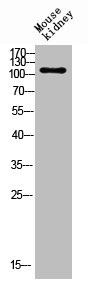
The antibody against ENPP3 was raised in rabbit using the Synthesized peptide derived from the Internal region of Human CD203c. as the immunogen. This antibody exists as a non-conjugated isotype IgG. The antibody was affinity-purified from rabbit antiserum by affinity-chromatography using epitope-specific immunogen. This antibody has been validated on WB, ELISA.
$167.00
| Cat.No | ADC-37079A | Clonality | Polyclonal |
|---|---|---|---|
| Host Species | Rabbit | Target Name | ENPP3 |
| Form | Liquid | Species Reactivity | Human, Mouse, Rat |
| Isotype | IgG | Storage Buffer | 0.5% BSA and 0.02% sodium azide., Liquid in PBS containing 50% glycerol |
| Purification Method | The antibody was affinity-purified from rabbit antiserum by affinity-chromatography using epitope-specific immunogen. | Conjugate | Non-conjugated |
| Application | ELISA, WB | Storage | Upon receipt |
| Immunogen Description | Synthesized peptide derived from the Internal region of Human CD203c. | Target Species | Human |
|---|---|---|---|
| Immunogen Sequence | Complete sequences for the immunogen, target protein, and peptides are available upon request. | Uniprot ID | O14638 |
Uniprot Id
O14638
Target Species
Human
Target Name
ENPP3
Target Full Name
Ectonucleotide pyrophosphatase/phosphodiesterase family member 3
Target Function
Hydrolase that metabolizes extracellular nucleotides, including ATP, GTP, UTP and CTP. Limits mast cell and basophil responses during inflammation and during the chronic phases of allergic responses by eliminating the extracellular ATP that functions as signaling molecule and activates basophils and mast cells and induces the release of inflammatory cytokines. Metabolizes extracellular ATP in the lumen of the small intestine, and thereby prevents ATP-induced apoptosis of intestinal plasmacytoid dendritic cells. Has also alkaline phosphodiesterase activity.
Target Subcellular Location
Cell membrane; Single-pass type II membrane protein. Apical cell membrane; Single-pass type II membrane protein. Secreted.
Target Protein Families
Nucleotide pyrophosphatase/phosphodiesterase family
Target Tissue Specificity
Detected on bile ducts in liver, and in blood serum (at protein level). Detected in prostate and uterus. Detected on basophils, but not neutrophils.
Target Synonyms
Alkaline phosphodiesterase I; ARHR2; B10; CD203c; CD203c antigen ; dJ1005H11.3 (phosphodiesterase I/nucleotide pyrophosphatase 3); dJ914N13.3 (phosphodiesterase I/nucleotide pyrophosphatase 3); E NPP 3; E-NPP 3; Ectonucleotide pyrophosphatase/phosphodiesterase 3; Ectonucleotide pyrophosphatase/phosphodiesterase family member 3; ENPP3; ENPP3_HUMAN; gp130RB13 6; gp130RB136; M6S1; NPP1; NPP3; NPPase; NPPS; Nucleotide pyrophosphatase; PC 1; PC-1; PCA1; PD Ibeta; PD-Ibeta; PDNP1; PDNP3; Phosphodiesterase I beta; Phosphodiesterase I/nucleotide pyrophosphatase 3; phosphodiesterase i/nucleotide pyrophosphatase beta
Target Background
The protein encoded by this gene belongs to a series of ectoenzymes that are involved in hydrolysis of extracellular nucleotides. These ectoenzymes possess ATPase and ATP pyrophosphatase activities and are type II transmembrane proteins. Expression of the related rat mRNA has been found in a subset of immature glial cells and in the alimentary tract. The corresponding rat protein has been detected in the pancreas, small intestine, colon, and liver. The human mRNA is expressed in glioma cells, prostate, and uterus. Expression of the human protein has been detected in uterus, basophils, and mast cells. Two transcript variants, one protein coding and the other non-protein coding, have been found for this gene.
Notification