• Contact info@abtriva.com for inquiries and orders.
  • Chinese (Simplified)

  • English

  • German

  • Korean

  • Spanish

United States (English / $ USD)

Rabbit anti-Human JAM3 Polyclonal Antibody

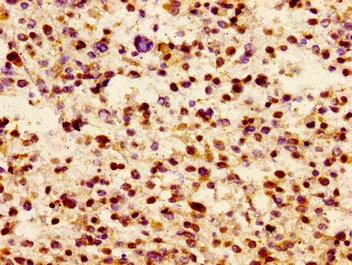
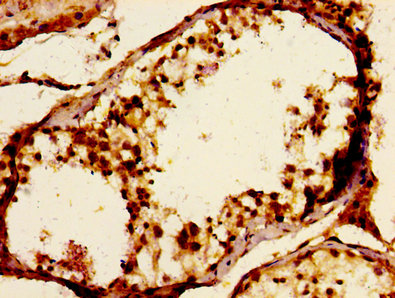
The antibody against JAM3 was raised in rabbit using the Recombinant Human Junctional adhesion molecule C protein (119-235AA) as the immunogen. This antibody exists as a non-conjugated isotype IgG, purified by protein G with a purity greater than 95%. This antibody has been validated on ELISA, WB, IHC, IF.

ADC-08126A

The antibody against JAM3 was raised in rabbit using the Recombinant Human Junctional adhesion molecule C protein (119-235AA) as the immunogen. This antibody exists as a non-conjugated isotype IgG, purified by protein G with a purity greater than 95%. This antibody has been validated on ELISA, WB, IHC, IF.

$299.00

Number
Order Exclusive Products Now

Request a Quote
High Purity LevelsPrecision and ReliabilityCustomization Options

Specifications


Cat.No ADC-08126A ClonalityPolyclonal
Host SpeciesRabbitTarget NameJAM3
FormLiquidSpecies ReactivityHuman, Rat
IsotypeIgGStorage Buffer0.01M PBS, 0.03% Proclin 300; Constituents: 50% Glycerol, PH 7.4
Purification Method>95%, Protein G purifiedConjugateNon-conjugated
ApplicationELISA, IF, IHC, WBStorageUpon receipt

Immunogen Information


Immunogen DescriptionRecombinant Human Junctional adhesion molecule C protein (119-235AA)Target SpeciesHuman
Immunogen SequenceComplete sequences for the immunogen, target protein, and peptides are available upon request.Uniprot IDQ9BX67
Background Information
  • Uniprot Id

    Q9BX67

  • Target Species

    Human

  • Target Name

    JAM3

  • Target Full Name

    Junctional adhesion molecule C

  • Target Function

    Junctional adhesion protein that mediates heterotypic cell-cell interactions with its cognate receptor JAM2 to regulate different cellular processes. Plays a role in homing and mobilization of hematopoietic stem and progenitor cells within the bone marrow. At the surface of bone marrow stromal cells, it contributes to the retention of the hematopoietic stem and progenitor cells expressing JAM3. Plays a central role in leukocytes extravasation by facilitating transmigration through the endothelium. Plays a role in spermatogenesis where JAM2 and JAM3, which are respectively expressed by Sertoli and germ cells, mediate an interaction between both cell types and play an essential role in the anchorage of germ cells onto Sertoli cells and the assembly of cell polarity complexes during spermatid differentiation. Also functions as a counter-receptor for ITGAM, mediating leukocyte-platelet interactions and is involved in the regulation of transepithelial migration of polymorphonuclear neutrophils (PMN). Plays a role in angiogenesis. Plays a role in the regulation of cell migration (Probable). During myogenesis, it is involved in myocyte fusion.; Promotes chemotaxis of vascular endothelial cells and stimulates angiogenesis.

  • Target Involvement

    Hemorrhagic destruction of the brain with subependymal calcification and cataracts (HDBSCC)

  • Target Subcellular Location

    Cell membrane; Single-pass type I membrane protein. Cell junction. Cell junction, desmosome. Cell junction, tight junction.; [Soluble form of JAM-C]: Secreted.

  • Target Protein Families

    Immunoglobulin superfamily

  • Target Tissue Specificity

    Detected on round and elongated spermatids (at protein level). Highest expression in placenta, brain and kidney. Significant expression is detected on platelets. Expressed in intestinal mucosa cells. Expressed in the vascular endothelium. Found in serum (

  • Target Synonyms

    FLJ14529; JAM 2 ; JAM 3; JAM C; JAM-2; JAM-3; JAM-C; JAM2 ; Jam3; JAM3_HUMAN; JAMC; Junctional adhesion molecule 3; Junctional adhesion molecule 3 precursor; Junctional adhesion molecule C

  • Target Background

    Tight junctions represent one mode of cell-to-cell adhesion in epithelial or endothelial cell sheets, forming continuous seals around cells and serving as a physical barrier to prevent solutes and water from passing freely through the paracellular space. The protein encoded by this immunoglobulin superfamily gene member is localized in the tight junctions between high endothelial cells. Unlike other proteins in this family, the this protein is unable to adhere to leukocyte cell lines and only forms weak homotypic interactions. The encoded protein is a member of the junctional adhesion molecule protein family and acts as a receptor for another member of this family. A mutation in an intron of this gene is associated with hemorrhagic destruction of the brain, subependymal calcification, and congenital cataracts. Alternative splicing results in multiple transcript variants.

Inquire Rabbit anti-Human JAM3 Polyclonal Antibody Now


AbTriva respects your privacy and protects your personal data in accordance with AbTriva. For more information, please see our data protection statement. *

Notification