• Contact info@abtriva.com for inquiries and orders.
  • Chinese (Simplified)

  • English

  • German

  • Korean

  • Spanish

United States (English / $ USD)

Rabbit anti-Human NRXN1 Polyclonal Antibody

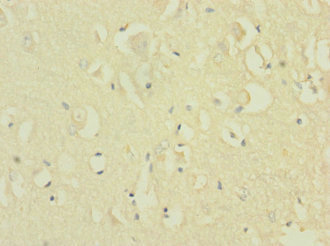
The antibody against NRXN1 was raised in rabbit using the Recombinant Human Neurexin-1 protein (31-310AA) as the immunogen. This antibody exists as a non-conjugated isotype IgG, Antigen affinity purified. This antibody has been validated on ELISA, IHC.

ADC-16334A

The antibody against NRXN1 was raised in rabbit using the Recombinant Human Neurexin-1 protein (31-310AA) as the immunogen. This antibody exists as a non-conjugated isotype IgG, Antigen affinity purified. This antibody has been validated on ELISA, IHC.

$299.00

Number
Order Exclusive Products Now

Request a Quote
High Purity LevelsPrecision and ReliabilityCustomization Options

Specifications


Cat.No ADC-16334A ClonalityPolyclonal
Host SpeciesRabbitTarget NameNRXN1
FormLiquidSpecies ReactivityHuman
IsotypeIgGStorage Buffer50% Glycerol, PBS with 0.02% sodium azide, pH7.3.
Purification MethodAntigen affinity purifiedConjugateNon-conjugated
ApplicationELISA, IHCStorageUpon receipt

Immunogen Information


Immunogen DescriptionRecombinant Human Neurexin-1 protein (31-310AA)Target SpeciesHuman
Immunogen SequenceComplete sequences for the immunogen, target protein, and peptides are available upon request.Uniprot IDQ9ULB1
Background Information
  • Uniprot Id

    Q9ULB1

  • Target Species

    Human

  • Target Name

    NRXN1

  • Target Full Name

    Neurexin-1

  • Target Function

    Cell surface protein involved in cell-cell-interactions, exocytosis of secretory granules and regulation of signal transmission. Function is isoform-specific. Alpha-type isoforms have a long N-terminus with six laminin G-like domains and play an important role in synaptic signal transmission. Alpha-type isoforms play a role in the regulation of calcium channel activity and Ca(2+)-triggered neurotransmitter release at synapses and at neuromuscular junctions. They play an important role in Ca(2+)-triggered exocytosis of secretory granules in pituitary gland. They may effect their functions at synapses and in endocrine cells via their interactions with proteins from the exocytotic machinery. Likewise, alpha-type isoforms play a role in regulating the activity of postsynaptic NMDA receptors, a subtype of glutamate-gated ion channels. Both alpha-type and beta-type isoforms may play a role in the formation or maintenance of synaptic junctions via their calcium-dependent interactions (via the extracellular domains) with neuroligin family members, CBLN1 or CBLN2. In vitro, triggers the de novo formation of presynaptic structures. May be involved in specification of excitatory synapses. Alpha-type isoforms were first identified as receptors for alpha-latrotoxin from spider venom.

  • Target Involvement

    Pitt-Hopkins-like syndrome 2 (PTHSL2)

  • Target Subcellular Location

    Cell junction, synapse, presynaptic cell membrane; Single-pass type I membrane protein.

  • Target Protein Families

    Neurexin family

  • Target Tissue Specificity

    Brain.

  • Target Synonyms

    DKFZp313P2036; FLJ35941; Hs.22998; KIAA0578; Neurexin 1 alpha; Neurexin 1 beta; Neurexin I-alpha; Neurexin-1; Neurexin-1-alpha; NRX1A_HUMAN; NRXN1; PTHSL2; SCZD17

Inquire Rabbit anti-Human NRXN1 Polyclonal Antibody Now


AbTriva respects your privacy and protects your personal data in accordance with AbTriva. For more information, please see our data protection statement. *

Notification