• Contact info@abtriva.com for inquiries and orders.
  • Chinese (Simplified)

  • English

  • German

  • Korean

  • Spanish

United States (English / $ USD)

Rabbit anti-Human PSG1 Polyclonal Antibody

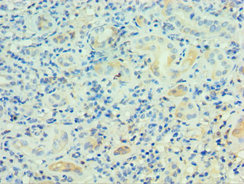
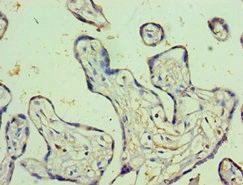
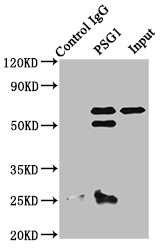
The antibody against PSG1 was raised in rabbit using the Recombinant Human Pregnancy-specific beta-1-glycoprotein 1 protein (180-419AA) as the immunogen. This antibody exists as a non-conjugated isotype IgG, Antigen affinity purified. This antibody has been validated on ELISA, IHC, IP.

ADC-44586A

The antibody against PSG1 was raised in rabbit using the Recombinant Human Pregnancy-specific beta-1-glycoprotein 1 protein (180-419AA) as the immunogen. This antibody exists as a non-conjugated isotype IgG, Antigen affinity purified. This antibody has been validated on ELISA, IHC, IP.

$299.00

Number
Order Exclusive Products Now

Request a Quote
High Purity LevelsPrecision and ReliabilityCustomization Options

Specifications


Cat.No ADC-44586A ClonalityPolyclonal
Host SpeciesRabbitTarget NamePSG1
FormLiquidSpecies ReactivityHuman
IsotypeIgGStorage Buffer50% Glycerol, PBS with 0.02% sodium azide, pH7.3.
Purification MethodAntigen affinity purifiedConjugateNon-conjugated
ApplicationELISA, IHC, IPStorageUpon receipt

Immunogen Information


Immunogen DescriptionRecombinant Human Pregnancy-specific beta-1-glycoprotein 1 protein (180-419AA)Target SpeciesHuman
Immunogen SequenceComplete sequences for the immunogen, target protein, and peptides are available upon request.Uniprot IDP11464
Background Information
  • Uniprot Id

    P11464

  • Target Species

    Human

  • Target Name

    PSG1

  • Target Full Name

    Pregnancy-specific beta-1-glycoprotein 1

  • Target Subcellular Location

    Secreted.

  • Target Protein Families

    Immunoglobulin superfamily, CEA family

  • Target Research Area

    Tags & Cell Markers

  • Target Synonyms

    B1G1; Carcinoembryonic antigen SG8; CD66 antigen-like family member F; CD66f; CD66f antigen; CEA; DHFRP2; Fetal liver non-specific cross-reactive antigen 1/2; FL-NCA-1/2; PBG 1; PBG1; Pregnancy specific B 1 glycoprotein; Pregnancy specific beta 1 glycoprotein 1; Pregnancy specific beta 1 glycoprotein 2; Pregnancy specific beta 1 glycoprotein 7; Pregnancy specific beta 1 glycoprotein 8; Pregnancy specific beta 1 glycoprotein; Pregnancy specific beta 1 glycoprotein C/D; Pregnancy-specific beta-1 glycoprotein C/D; Pregnancy-specific beta-1-glycoprotein 1; Pregnancy-specific glycoprotein 1; PS beta C/D; PS-beta-C/D; PS-beta-G-1; PSBG 1; PSBG 2; PSBG-1; PSBG1; PSBG2; PSG 1; PSG 2; PSG 8; PSG 95; PSG IIA d; PSG1; PSG1_HUMAN; PSG2; PSG8; PSG95; PSGGA; PSGGB; PSGIIA a; PSGIIA; PSGIIA b; PSGIIA c; SP 1; SP1

  • Target Background

    The human placenta is a multihormonal endocrine organ that produces hormones, enzymes, and other molecules that support fetal survival and development. Pregnancy-specific beta-1-glycoprotein (PSBG, PSG) is a major product of the syncytiotrophoblast, reaching concentrations of 100 to 290 mg/l at term in the serum of pregnant women (Horne et al., 1976 [PubMed 971765]). PSG is a member of the immunoglobulin (Ig) superfamily (Watanabe and Chou, 1988 [PubMed 3257488]; Streydio et al., 1988 [PubMed 3260773]).

Inquire Rabbit anti-Human PSG1 Polyclonal Antibody Now


AbTriva respects your privacy and protects your personal data in accordance with AbTriva. For more information, please see our data protection statement. *

Notification