• Contact info@abtriva.com for inquiries and orders.
  • Chinese (Simplified)

  • English

  • German

  • Korean

  • Spanish

United States (English / $ USD)

Rabbit anti-Human SP100 Polyclonal Antibody

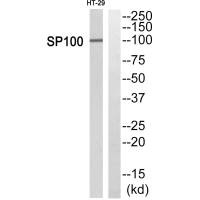
The antibody against SP100 was raised in rabbit using the Synthesized peptide derived from Internal of Human SP100. as the immunogen. The antibody was affinity-purified from rabbit antiserum by affinity-chromatography using epitope-specific immunogen. This antibody has been validated on ELISA, WB.

ADC-41072A

The antibody against SP100 was raised in rabbit using the Synthesized peptide derived from Internal of Human SP100. as the immunogen. The antibody was affinity-purified from rabbit antiserum by affinity-chromatography using epitope-specific immunogen. This antibody has been validated on ELISA, WB.

$297.00

Number
Order Exclusive Products Now

Request a Quote
High Purity LevelsPrecision and ReliabilityCustomization Options

Specifications


Cat.No ADC-41072A ClonalityPolyclonal
Host SpeciesRabbitTarget NameSP100
FormLiquidSpecies ReactivityHuman
Storage BufferPH 7.4, 0.02% sodium azide and 50% glycerol., 150mM NaCl, Rabbit IgG in phosphate buffered saline (without Mg2+ and Ca2+)Purification MethodThe antibody was affinity-purified from rabbit antiserum by affinity-chromatography using epitope-specific immunogen.
ApplicationELISA, WBStorageUpon receipt

Immunogen Information


Immunogen DescriptionSynthesized peptide derived from Internal of Human SP100.Target SpeciesHuman
Immunogen SequenceComplete sequences for the immunogen, target protein, and peptides are available upon request.Uniprot IDP23497
Background Information
  • Uniprot Id

    P23497

  • Target Species

    Human

  • Target Name

    SP100

  • Target Full Name

    Nuclear autoantigen Sp-100

  • Target Function

    Together with PML, this tumor suppressor is a major constituent of the PML bodies, a subnuclear organelle involved in a large number of physiological processes including cell growth, differentiation and apoptosis. Functions as a transcriptional coactivator of ETS1 and ETS2 according to PubMed:11909962. Under certain conditions, it may also act as a corepressor of ETS1 preventing its binding to DNA according to PubMed:15247905. Through the regulation of ETS1 it may play a role in angiogenesis, controlling endothelial cell motility and invasion. Through interaction with the MRN complex it may be involved in the regulation of telomeres lengthening. May also regulate TP53-mediated transcription and through CASP8AP2, regulate FAS-mediated apoptosis. Also plays a role in infection by viruses, including human cytomegalovirus and Epstein-Barr virus, through mechanisms that may involve chromatin and/or transcriptional regulation.

  • Target Subcellular Location

    Nucleus. Nucleus, PML body. Cytoplasm. Note=Differences in the subnuclear localization of the different isoforms seem to exist and may also be cell cycle- and interferon-dependent. Accumulates in the cytoplasm upon FAS activation.; [Isoform Sp100-C]: Nucleus. Note=Forms a reticulate or track-like nuclear pattern with denser concentrations at the nuclear lamina and surrounding the nucleoli, a pattern reminiscent of heterochromatin-rich regions according to PubMed:11313457.

  • Target Tissue Specificity

    Widely expressed. Sp100-B is expressed only in spleen, tonsil, thymus, mature B-cell line and some T-cell line, but not in brain, liver, muscle or non-lymphoid cell lines.

  • Target Synonyms

    DKFZp686E07254; FLJ00340; FLJ34579; Lysp100b; Nuclear antigen Sp100; Nuclear autoantigen Sp 100; Nuclear autoantigen Sp-100; Nuclear autoantigen Sp100; Nuclear dot associated Sp100 protein; Nuclear dot-associated Sp100 protein; SP 100; SP100; SP100 HMG nuclear autoantigen; SP100 nuclear antigen; SP100_HUMAN; Speckled 100 kDa

  • Target Background

    This gene encodes a subnuclear organelle and major component of the PML (promyelocytic leukemia)-SP100 nuclear bodies. PML and SP100 are covalently modified by the SUMO-1 modifier, which is considered crucial to nuclear body interactions. The encoded protein binds heterochromatin proteins and is thought to play a role in tumorigenesis, immunity, and gene regulation. Alternatively spliced variants have been identified for this gene; one of which encodes a high-mobility group protein.

Inquire Rabbit anti-Human SP100 Polyclonal Antibody Now


AbTriva respects your privacy and protects your personal data in accordance with AbTriva. For more information, please see our data protection statement. *

Notification