• Contact info@abtriva.com for inquiries and orders.
  • Chinese (Simplified)

  • English

  • German

  • Korean

  • Spanish

United States (English / $ USD)

Rabbit anti-Human HTR1A Polyclonal Antibody

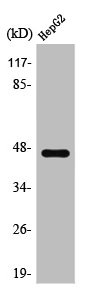
The antibody against HTR1A was raised in rabbit using the Synthesized peptide derived from the C-terminal region of Human SR-1A. as the immunogen. This antibody exists as a non-conjugated isotype IgG. The antibody was affinity-purified from rabbit antiserum by affinity-chromatography using epitope-specific immunogen. This antibody has been validated on WB, IHC, IF, ELISA.

ADC-37578A

The antibody against HTR1A was raised in rabbit using the Synthesized peptide derived from the C-terminal region of Human SR-1A. as the immunogen. This antibody exists as a non-conjugated isotype IgG. The antibody was affinity-purified from rabbit antiserum by affinity-chromatography using epitope-specific immunogen. This antibody has been validated on WB, IHC, IF, ELISA.

$167.00

Number
Order Exclusive Products Now

Request a Quote
High Purity LevelsPrecision and ReliabilityCustomization Options

Specifications


Cat.No ADC-37578A ClonalityPolyclonal
Host SpeciesRabbitTarget NameHTR1A
Target SynonymsHTR1A; ADRB2RL1; ADRBRL1; 5-hydroxytryptamine receptor 1A; 5-HT-1A; 5-HT1A; G-21; Serotonin receptor 1AFormLiquid
Species ReactivityHuman, Mouse, RatIsotypeIgG
Storage Buffer0.5% BSA and 0.02% sodium azide., Liquid in PBS containing 50% glycerolPurification MethodThe antibody was affinity-purified from rabbit antiserum by affinity-chromatography using epitope-specific immunogen.
ConjugateNon-conjugatedApplicationELISA, IF, IHC, WB
StorageUpon receipt

Immunogen Information


Immunogen DescriptionSynthesized peptide derived from the C-terminal region of Human SR-1A.Target SpeciesHuman
Immunogen SequenceComplete sequences for the immunogen, target protein, and peptides are available upon request.Uniprot IDP08908
Background Information
  • Uniprot Id

    P08908

  • Target Species

    Human

  • Target Name

    HTR1A

  • Target Full Name

    5-hydroxytryptamine receptor 1A

  • Target Function

    G-protein coupled receptor for 5-hydroxytryptamine (serotonin). Also functions as a receptor for various drugs and psychoactive substances. Ligand binding causes a conformation change that triggers signaling via guanine nucleotide-binding proteins (G proteins) and modulates the activity of down-stream effectors, such as adenylate cyclase. Beta-arrestin family members inhibit signaling via G proteins and mediate activation of alternative signaling pathways. Signaling inhibits adenylate cyclase activity and activates a phosphatidylinositol-calcium second messenger system that regulates the release of Ca(2+) ions from intracellular stores. Plays a role in the regulation of 5-hydroxytryptamine release and in the regulation of dopamine and 5-hydroxytryptamine metabolism. Plays a role in the regulation of dopamine and 5-hydroxytryptamine levels in the brain, and thereby affects neural activity, mood and behavior. Plays a role in the response to anxiogenic stimuli.

  • Target Involvement

    Periodic fever, menstrual cycle-dependent (PFMC)

  • Target Subcellular Location

    Cell membrane; Multi-pass membrane protein. Cell projection, dendrite.

  • Target Protein Families

    G-protein coupled receptor 1 family, 5-hydroxytryptamine receptor subfamily, HTR1A sub-subfamily

  • Target Tissue Specificity

    Detected in lymph nodes, thymus and spleen. Detected in activated T-cells, but not in resting T-cells.

  • Target Synonyms

    HTR1A; ADRB2RL1; ADRBRL1; 5-hydroxytryptamine receptor 1A; 5-HT-1A; 5-HT1A; G-21; Serotonin receptor 1A

  • Target Background

    This gene encodes a G protein-coupled receptor for 5-hydroxytryptamine (serotonin), and belongs to the 5-hydroxytryptamine receptor subfamily. Serotonin has been implicated in a number of physiologic processes and pathologic conditions. Inactivation of this gene in mice results in behavior consistent with an increased anxiety and stress response. Mutation in the promoter of this gene has been associated with menstrual cycle-dependent periodic fevers.

Inquire Rabbit anti-Human HTR1A Polyclonal Antibody Now


AbTriva respects your privacy and protects your personal data in accordance with AbTriva. For more information, please see our data protection statement. *

Notification