• Contact info@abtriva.com for inquiries and orders.
  • Chinese (Simplified)

  • English

  • German

  • Korean

  • Spanish

United States (English / $ USD)

Rabbit anti-Human KISS1 Polyclonal Antibody

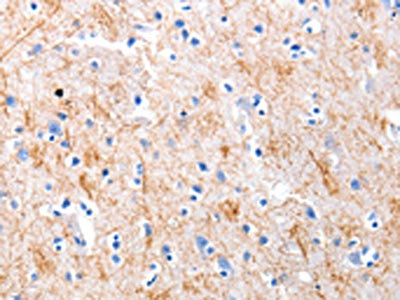
The antibody against KISS1 was raised in rabbit using the Synthetic peptide of Human KISS1 as the immunogen. This antibody exists as a non-conjugated isotype IgG, Antigen affinity purified. This antibody has been validated on ELISA, WB, IHC.

ADC-28258A

The antibody against KISS1 was raised in rabbit using the Synthetic peptide of Human KISS1 as the immunogen. This antibody exists as a non-conjugated isotype IgG, Antigen affinity purified. This antibody has been validated on ELISA, WB, IHC.

$299.00

Number
Order Exclusive Products Now

Request a Quote
High Purity LevelsPrecision and ReliabilityCustomization Options

Specifications


Cat.No ADC-28258A ClonalityPolyclonal
Host SpeciesRabbitTarget NameKISS1
FormLiquidSpecies ReactivityHuman, Mouse
IsotypeIgGStorage Buffer0.05% NaN3, 40% Glycerol., pH7.4 PBS
Purification MethodAntigen affinity purifiedConjugateNon-conjugated
ApplicationELISA, IHC, WBStorageUpon receipt

Immunogen Information


Immunogen DescriptionSynthetic peptide of Human KISS1Target SpeciesHuman
Immunogen SequenceComplete sequences for the immunogen, target protein, and peptides are available upon request.Uniprot IDQ15726
Background Information
  • Uniprot Id

    Q15726

  • Target Species

    Human

  • Target Name

    KISS1

  • Target Full Name

    Metastasis-suppressor KiSS-1

  • Target Function

    Metastasis suppressor protein in malignant melanomas and in some breast cancers. May regulate events downstream of cell-matrix adhesion, perhaps involving cytoskeletal reorganization. Generates a C-terminally amidated peptide, metastin which functions as the endogenous ligand of the G-protein coupled receptor GPR54. Activation of the receptor inhibits cell proliferation and cell migration, key characteristics of tumor metastasis. Kp-10 is a decapeptide derived from the primary translation product, isolated in conditioned medium of first trimester trophoblast. Kp-10, but not other kisspeptins, increased intracellular Ca(2+) levels in isolated first trimester trophoblasts. Kp-10 is a paracrine/endocrine regulator in fine-tuning trophoblast invasion generated by the trophoblast itself. The receptor is also essential for normal gonadotropin-released hormone physiology and for puberty. The hypothalamic KiSS1/GPR54 system is a pivotal factor in central regulation of the gonadotropic axis at puberty and in adulthood.

  • Target Involvement

    Hypogonadotropic hypogonadism 13 with or without anosmia (HH13)

  • Target Subcellular Location

    Secreted.

  • Target Protein Families

    KISS1 family

  • Target Tissue Specificity

    Very high expression in placenta, with the next highest level in testis and moderate levels in pancreas, liver, small intestine and brain at much lower levels. Expression levels increased in both early placentas and molar pregnancies and are reduced in ch

  • Target Synonyms

    KISS 1; KiSS 1 metastasis suppressor; Kiss1; KISS1_HUMAN; Kisspeptin 1; Kisspeptin 10; Kisspeptin 13; Kisspeptin 14; Kisspeptin; Kisspeptin-1; Kisspeptin-10; Kisspeptin-54; Kisspeptin1; Malignant melanoma metastasis suppressor; Metastasis suppressor KiSS 1; Metastasis suppressor KiSS1; Metastin; MGC39258

  • Target Background

    This gene is a metastasis suppressor gene that suppresses metastases of melanomas and breast carcinomas without affecting tumorigenicity. The encoded protein may inhibit chemotaxis and invasion and thereby attenuate metastasis in malignant melanomas. Studies suggest a putative role in the regulation of events downstream of cell-matrix adhesion, perhaps involving cytoskeletal reorganization. A protein product of this gene, kisspeptin, stimulates gonadotropin-releasing hormone (GnRH)-induced gonadotropin secretion and regulates the pubertal activation of GnRH neurons. A polymorphism in the terminal exon of this mRNA results in two protein isoforms. An adenosine present at the polymorphic site represents the third position in a stop codon. When the adenosine is absent, a downstream stop codon is utilized and the encoded protein extends for an additional seven amino acid residues.

Inquire Rabbit anti-Human KISS1 Polyclonal Antibody Now


AbTriva respects your privacy and protects your personal data in accordance with AbTriva. For more information, please see our data protection statement. *

Notification