• Contact info@abtriva.com for inquiries and orders.
  • Chinese (Simplified)

  • English

  • German

  • Korean

  • Spanish

United States (English / $ USD)

Rabbit anti-Human NDE1 Polyclonal Antibody

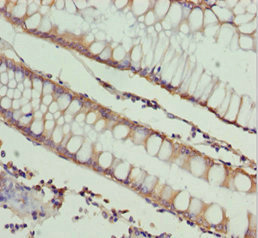
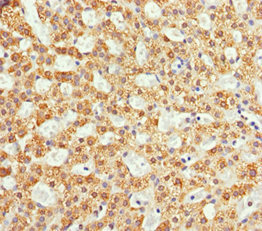
The antibody against NDE1 was raised in rabbit using the Recombinant Human Nuclear distribution protein nudE homolog 1 protein (1-110AA) as the immunogen. This antibody exists as a non-conjugated isotype IgG, Antigen affinity purified. This antibody has been validated on ELISA, IHC.

ADC-16870A

The antibody against NDE1 was raised in rabbit using the Recombinant Human Nuclear distribution protein nudE homolog 1 protein (1-110AA) as the immunogen. This antibody exists as a non-conjugated isotype IgG, Antigen affinity purified. This antibody has been validated on ELISA, IHC.

$299.00

Number
Order Exclusive Products Now

Request a Quote
High Purity LevelsPrecision and ReliabilityCustomization Options

Specifications


Cat.No ADC-16870A ClonalityPolyclonal
Host SpeciesRabbitTarget NameNDE1
FormLiquidSpecies ReactivityHuman
IsotypeIgGStorage Buffer50% Glycerol, PBS with 0.02% sodium azide, pH7.3.
Purification MethodAntigen affinity purifiedConjugateNon-conjugated
ApplicationELISA, IHCStorageUpon receipt

Immunogen Information


Immunogen DescriptionRecombinant Human Nuclear distribution protein nudE homolog 1 protein (1-110AA)Target SpeciesHuman
Immunogen SequenceComplete sequences for the immunogen, target protein, and peptides are available upon request.Uniprot IDQ9NXR1
Background Information
  • Uniprot Id

    Q9NXR1

  • Target Species

    Human

  • Target Name

    NDE1

  • Target Full Name

    Nuclear distribution protein nudE homolog 1

  • Target Function

    Required for centrosome duplication and formation and function of the mitotic spindle. Essential for the development of the cerebral cortex. May regulate the production of neurons by controlling the orientation of the mitotic spindle during division of cortical neuronal progenitors of the proliferative ventricular zone of the brain. Orientation of the division plane perpendicular to the layers of the cortex gives rise to two proliferative neuronal progenitors whereas parallel orientation of the division plane yields one proliferative neuronal progenitor and a post-mitotic neuron. A premature shift towards a neuronal fate within the progenitor population may result in an overall reduction in the final number of neurons and an increase in the number of neurons in the deeper layers of the cortex.

  • Target Involvement

    Lissencephaly 4 (LIS4); Microhydranencephaly (MHAC)

  • Target Subcellular Location

    Cytoplasm, cytoskeleton. Cytoplasm, cytoskeleton, microtubule organizing center, centrosome. Chromosome, centromere, kinetochore. Cytoplasm, cytoskeleton, spindle. Cleavage furrow. Note=Localizes to the interphase and S phase centrosome. During mitosis, partially associated with the mitotic spindle. Concentrates at the plus ends of microtubules coincident with kinetochores in metaphase and anaphase in a CENPF-dependent manner. Also localizes to the cleavage furrow during cytokinesis. manner. Also localizes to the cleavage furrow during cytokinesis.

  • Target Protein Families

    NudE family

  • Target Tissue Specificity

    Expressed in the neuroepithelium throughout the developing brain, including the cerebral cortex and cerebellum.

  • Target Research Area

    Cell Biology

  • Target Synonyms

    FLJ20101; HOM TES 87; LIS1 interacting protein NUDE1 rat homolog; LIS1 interacting protein NUDE1; LIS4; NDE 1; NDE1; NDE1_HUMAN; Nuclear distribution gene E homolog 1; Nuclear distribution protein nudE homolog 1; NUDE 1; NudE; NudE nuclear distribution gene E homolog 1 (A. nidulans) ; NudE nuclear distribution gene E homolog 1; NUDE1

  • Target Background

    This gene encodes a member of the nuclear distribution E (NudE) family of proteins. The encoded protein is localized at the centrosome and interacts with other centrosome components as part of a multiprotein complex that regulates dynein function. This protein plays an essential role in microtubule organization, mitosis and neuronal migration. Mutations in this gene cause lissencephaly 4, a disorder characterized by lissencephaly, severe brain atrophy, microcephaly, and severe cognitive disability. Alternative splicing results in multiple transcript variants.

Inquire Rabbit anti-Human NDE1 Polyclonal Antibody Now


AbTriva respects your privacy and protects your personal data in accordance with AbTriva. For more information, please see our data protection statement. *

Notification