• Contact info@abtriva.com for inquiries and orders.
  • Chinese (Simplified)

  • English

  • German

  • Korean

  • Spanish

United States (English / $ USD)

Rabbit anti-Human NTHL1 Polyclonal Antibody

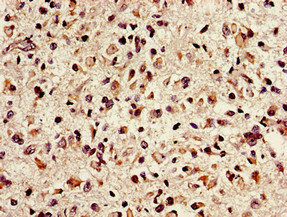
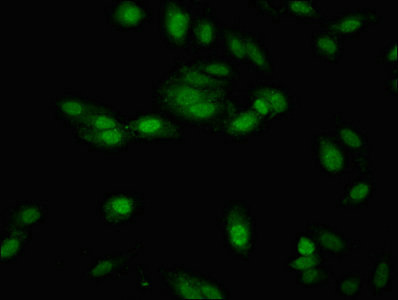
The antibody against NTHL1 was raised in rabbit using the Recombinant Human Endonuclease III-like protein 1 protein (31-312AA) as the immunogen. This antibody exists as a non-conjugated isotype IgG, purified by protein G with a purity greater than 95%. This antibody has been validated on ELISA, WB, IHC, IF.

ADC-09404A

The antibody against NTHL1 was raised in rabbit using the Recombinant Human Endonuclease III-like protein 1 protein (31-312AA) as the immunogen. This antibody exists as a non-conjugated isotype IgG, purified by protein G with a purity greater than 95%. This antibody has been validated on ELISA, WB, IHC, IF.

$299.00

Number
Order Exclusive Products Now

Request a Quote
High Purity LevelsPrecision and ReliabilityCustomization Options

Specifications


Cat.No ADC-09404A ClonalityPolyclonal
Host SpeciesRabbitTarget NameNTHL1
FormLiquidSpecies ReactivityHuman, Mouse
IsotypeIgGStorage Buffer0.01M PBS, 0.03% Proclin 300; Constituents: 50% Glycerol, PH 7.4
Purification Method>95%, Protein G purifiedConjugateNon-conjugated
ApplicationELISA, IF, IHC, WBStorageUpon receipt

Immunogen Information


Immunogen DescriptionRecombinant Human Endonuclease III-like protein 1 protein (31-312AA)Target SpeciesHuman
Immunogen SequenceComplete sequences for the immunogen, target protein, and peptides are available upon request.Uniprot IDP78549
Background Information
  • Uniprot Id

    P78549

  • Target Species

    Human

  • Target Name

    NTHL1

  • Target Full Name

    Endonuclease III-like protein 1

  • Target Function

    Bifunctional DNA N-glycosylase with associated apurinic/apyrimidinic (AP) lyase function that catalyzes the first step in base excision repair (BER), the primary repair pathway for the repair of oxidative DNA damage. The DNA N-glycosylase activity releases the damaged DNA base from DNA by cleaving the N-glycosidic bond, leaving an AP site. The AP-lyase activity cleaves the phosphodiester bond 3' to the AP site by a beta-elimination. Primarily recognizes and repairs oxidative base damage of pyrimidines. Has also 8-oxo-7,8-dihydroguanine (8-oxoG) DNA glycosylase activity. Acts preferentially on DNA damage opposite guanine residues in DNA. Is able to process lesions in nucleosomes without requiring or inducing nucleosome disruption.

  • Target Involvement

    Familial adenomatous polyposis 3 (FAP3)

  • Target Subcellular Location

    Nucleus. Mitochondrion.

  • Target Protein Families

    Nth/MutY family

  • Target Tissue Specificity

    Widely expressed with highest levels in heart and lowest levels in lung and liver.

  • Target Synonyms

    Bifunctional DNA N glycoslyase/DNA (apurinic or apyrimidinic site) lyase; DNA glycoslyase/AP lyase; Endonuclease III like protein 1; Endonuclease III-like protein 1; hNTH1; NTH 1; nth endonuclease III like 1 (E. coli); NTH endonuclease III Like 1; NTH1; NTHL 1; Nthl1; NTHL1_HUMAN; OCTS 3; OCTS3

  • Target Background

    The protein encoded by this gene is a DNA N-glycosylase of the endonuclease III family. Like a similar protein in E. coli, the encoded protein has DNA glycosylase activity on DNA substrates containing oxidized pyrimidine residues and has apurinic/apyrimidinic lyase activity.

Inquire Rabbit anti-Human NTHL1 Polyclonal Antibody Now


AbTriva respects your privacy and protects your personal data in accordance with AbTriva. For more information, please see our data protection statement. *

Notification