• Contact info@abtriva.com for inquiries and orders.
  • Chinese (Simplified)

  • English

  • German

  • Korean

  • Spanish

United States (English / $ USD)

Rabbit anti-Human TCF7 Polyclonal Antibody

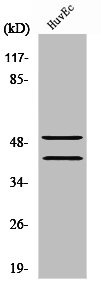
The antibody against TCF7 was raised in rabbit using the Synthesized peptide derived from the N-terminal region of Human TCF-1. as the immunogen. This antibody exists as a non-conjugated isotype IgG. The antibody was affinity-purified from rabbit antiserum by affinity-chromatography using epitope-specific immunogen. This antibody has been validated on WB, IHC, ELISA.

ADC-37500A

The antibody against TCF7 was raised in rabbit using the Synthesized peptide derived from the N-terminal region of Human TCF-1. as the immunogen. This antibody exists as a non-conjugated isotype IgG. The antibody was affinity-purified from rabbit antiserum by affinity-chromatography using epitope-specific immunogen. This antibody has been validated on WB, IHC, ELISA.

$167.00

Number
Order Exclusive Products Now

Request a Quote
High Purity LevelsPrecision and ReliabilityCustomization Options

Specifications


Cat.No ADC-37500A ClonalityPolyclonal
Host SpeciesRabbitTarget NameTCF7
Target Synonyms1 antibody, T-cell specific, T-cell specific antibody; Transcription factor-7FormLiquid
Species ReactivityHuman, MouseIsotypeIgG
Storage Buffer0.5% BSA and 0.02% sodium azide., Liquid in PBS containing 50% glycerolPurification MethodThe antibody was affinity-purified from rabbit antiserum by affinity-chromatography using epitope-specific immunogen.
ConjugateNon-conjugatedApplicationELISA, IHC, WB
StorageUpon receipt

Immunogen Information


Immunogen DescriptionSynthesized peptide derived from the N-terminal region of Human TCF-1.Target SpeciesHuman
Immunogen SequenceComplete sequences for the immunogen, target protein, and peptides are available upon request.Uniprot IDP36402
Background Information
  • Uniprot Id

    P36402

  • Target Species

    Human

  • Target Name

    TCF7

  • Target Full Name

    Transcription factor 7

  • Target Function

    Transcriptional activator involved in T-cell lymphocyte differentiation. Necessary for the survival of CD4(+) CD8(+) immature thymocytes. Isoforms lacking the N-terminal CTNNB1 binding domain cannot fulfill this role. Binds to the T-lymphocyte-specific enhancer element (5'-WWCAAAG-3') found in the promoter of the CD3E gene. Represses expression of the T-cell receptor gamma gene in alpha-beta T-cell lineages. Required for the development of natural killer receptor-positive lymphoid tissue inducer T-cells. TLE1, TLE2, TLE3 and TLE4 repress transactivation mediated by TCF7 and CTNNB1.May also act as feedback transcriptional repressor of CTNNB1 and TCF7L2 target genes.

  • Target Subcellular Location

    Nucleus.

  • Target Protein Families

    TCF/LEF family

  • Target Tissue Specificity

    Predominantly expressed in T-cells. Also detected in proliferating intestinal epithelial cells and in the basal epithelial cells of mammary gland epithelium.

  • Target Research Area

    Epigenetics and Nuclear Signaling

  • Target Synonyms

    FLJ36364; MGC47735; OTTHUMP00000159391; T cell factor 1; T cell specific transcription factor 1; T-cell factor 1; T-cell-specific transcription factor 1; TCF-1; TCF-7; TCF1; Tcf7; TCF7 transcription factor 7; TCF7_HUMAN; Transcription factor 7 (T cell specific HMG box); Transcription factor 7; Transcription factor-7, T-cell specific; Transcription factor-7, T-cell specific, 1

  • Target Background

    This gene encodes a member of the T-cell factor/lymphoid enhancer-binding factor family of high mobility group (HMG) box transcriptional activators. This gene is expressed predominantly in T-cells and plays a critical role in natural killer cell and innate lymphoid cell development. The encoded protein forms a complex with beta-catenin and activates transcription through a Wnt/beta-catenin signaling pathway. Mice with a knockout of this gene are viable and fertile, but display a block in T-lymphocyte differentiation. Alternative splicing results in multiple transcript variants. Naturally-occurring isoforms lacking the N-terminal beta-catenin interaction domain may act as dominant negative regulators of Wnt signaling.

Inquire Rabbit anti-Human TCF7 Polyclonal Antibody Now


AbTriva respects your privacy and protects your personal data in accordance with AbTriva. For more information, please see our data protection statement. *

Notification