• Contact info@abtriva.com for inquiries and orders.
  • Chinese (Simplified)

  • English

  • German

  • Korean

  • Spanish

United States (English / $ USD)

Rabbit anti-Human PRIMPOL Polyclonal Antibody

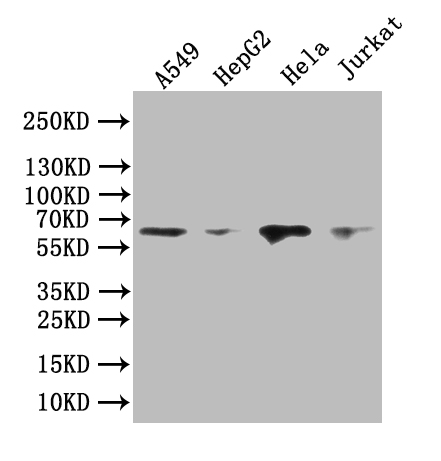
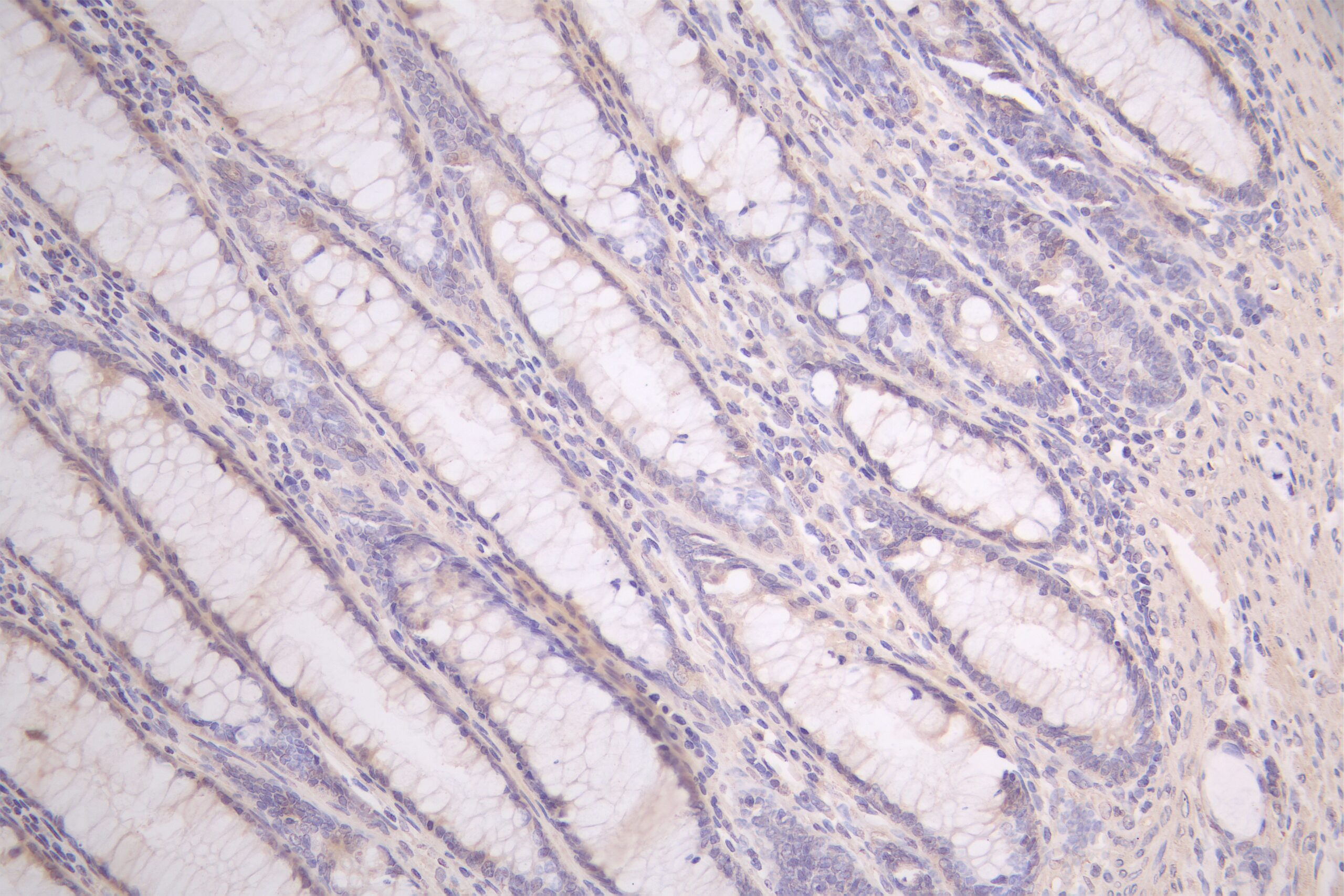
The antibody against PRIMPOL was raised in rabbit using the Recombinant Human DNA-directed primase/polymerase protein (305-537AA) as the immunogen. This antibody exists as a non-conjugated isotype IgG, Antigen affinity purified. This antibody has been validated on ELISA, WB, IHC.

ADC-15191A

The antibody against PRIMPOL was raised in rabbit using the Recombinant Human DNA-directed primase/polymerase protein (305-537AA) as the immunogen. This antibody exists as a non-conjugated isotype IgG, Antigen affinity purified. This antibody has been validated on ELISA, WB, IHC.

$600.00

Number
Order Exclusive Products Now

Request a Quote
High Purity LevelsPrecision and ReliabilityCustomization Options

Specifications


Cat.No ADC-15191A ClonalityPolyclonal
Host SpeciesRabbitTarget NamePRIMPOL
FormLiquidSpecies ReactivityHuman
IsotypeIgGStorage Buffer0.02% sodium azideConstituents: PBS containing 50% glycerol pH 7.3
Purification MethodAntigen affinity purifiedConjugateNon-conjugated
ApplicationELISA, IHC, WBStorageUpon receipt

Immunogen Information


Immunogen DescriptionRecombinant Human DNA-directed primase/polymerase protein (305-537AA)Target SpeciesHuman
Immunogen SequenceComplete sequences for the immunogen, target protein, and peptides are available upon request.Uniprot IDQ96LW4
Background Information
  • Uniprot Id

    Q96LW4

  • Target Species

    Human

  • Target Name

    PRIMPOL

  • Target Full Name

    DNA-directed primase/polymerase protein

  • Target Function

    DNA primase and DNA polymerase required to tolerate replication-stalling lesions by bypassing them. Required to facilitate mitochondrial and nuclear replication fork progression by initiating de novo DNA synthesis using dNTPs and acting as an error-prone DNA polymerase able to bypass certain DNA lesions. Shows a high capacity to tolerate DNA damage lesions such as 8oxoG and abasic sites in DNA. Provides different translesion synthesis alternatives when DNA replication is stalled: able to synthesize DNA primers downstream of lesions, such as ultraviolet (UV) lesions, R-loops and G-quadruplexes, to allow DNA replication to continue. Can also realign primers ahead of 'unreadable lesions' such as abasic sites and 6-4 photoproduct (6-4 pyrimidine-pyrimidinone), thereby skipping the lesion. Also able to incorporate nucleotides opposite DNA lesions such as 8oxoG, like a regular translesion synthesis DNA polymerase. Also required for reinitiating stalled forks after UV damage during nuclear DNA replication. Required for mitochondrial DNA (mtDNA) synthesis and replication, by reinitiating synthesis after UV damage or in the presence of chain-terminating nucleotides. Prevents APOBEC family-mediated DNA mutagenesis by repriming downstream of abasic site to prohibit error-prone translesion synthesis. Has non-overlapping function with POLH. In addition to its role in DNA damage response, also required to maintain efficient nuclear and mitochondrial DNA replication in unperturbed cells.; Involved in adaptive response to cisplatin, a chemotherapeutic that causes reversal of replication forks, in cancer cells: reinitiates DNA synthesis past DNA lesions in BRCA1-deficient cancer cells treated with cisplatin via its de novo priming activity. Repriming rescues fork degradation while leading to accumulation of internal ssDNA gaps behind the forks. ATR regulates adaptive response to cisplatin.

  • Target Involvement

    Myopia 22, autosomal dominant (MYP22)

  • Target Subcellular Location

    Nucleus. Mitochondrion matrix. Chromosome.

  • Target Protein Families

    Eukaryotic-type primase small subunit family

  • Target Synonyms

    CC111_HUMAN; CCDC111; Coiled coil domain containing 111; Coiled-coil domain-containing protein 111; DNA-directed primase/polymerase protein; MYP22; Primase and polymerase (DNA directed); PRIMPOL

Inquire Rabbit anti-Human PRIMPOL Polyclonal Antibody Now


AbTriva respects your privacy and protects your personal data in accordance with AbTriva. For more information, please see our data protection statement. *

Notification