• Contact info@abtriva.com for inquiries and orders.
  • Chinese (Simplified)

  • English

  • German

  • Korean

  • Spanish

United States (English / $ USD)

Rabbit anti-Human BBS2 Polyclonal Antibody

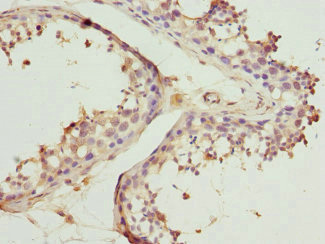
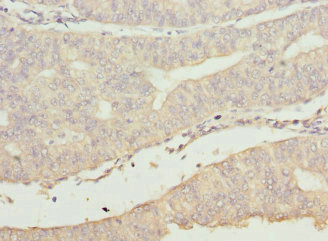
The antibody against BBS2 was raised in rabbit using the Recombinant Human Bardet-Biedl syndrome 2 protein (1-96AA) as the immunogen. This antibody exists as a non-conjugated isotype IgG, Antigen affinity purified. This antibody has been validated on ELISA, IHC.

ADC-16937A

The antibody against BBS2 was raised in rabbit using the Recombinant Human Bardet-Biedl syndrome 2 protein (1-96AA) as the immunogen. This antibody exists as a non-conjugated isotype IgG, Antigen affinity purified. This antibody has been validated on ELISA, IHC.

$299.00

Number
Order Exclusive Products Now

Request a Quote
High Purity LevelsPrecision and ReliabilityCustomization Options

Specifications


Cat.No ADC-16937A ClonalityPolyclonal
Host SpeciesRabbitTarget NameBBS2
Target SynonymsBBS2Bardet-Biedl syndrome 2 protein antibodyFormLiquid
Species ReactivityHumanIsotypeIgG
Storage Buffer50% Glycerol, PBS with 0.02% sodium azide, pH7.3.Purification MethodAntigen affinity purified
ConjugateNon-conjugatedApplicationELISA, IHC
StorageUpon receipt

Immunogen Information


Immunogen DescriptionRecombinant Human Bardet-Biedl syndrome 2 protein (1-96AA)Target SpeciesHuman
Immunogen SequenceComplete sequences for the immunogen, target protein, and peptides are available upon request.Uniprot IDQ9BXC9
Background Information
  • Uniprot Id

    Q9BXC9

  • Target Species

    Human

  • Target Name

    BBS2

  • Target Full Name

    BBSome complex member BBS2

  • Target Function

    The BBSome complex is thought to function as a coat complex required for sorting of specific membrane proteins to the primary cilia. The BBSome complex is required for ciliogenesis but is dispensable for centriolar satellite function. This ciliogenic function is mediated in part by the Rab8 GDP/GTP exchange factor, which localizes to the basal body and contacts the BBSome. Rab8(GTP) enters the primary cilium and promotes extension of the ciliary membrane. Firstly the BBSome associates with the ciliary membrane and binds to RAB3IP/Rabin8, the guanosyl exchange factor (GEF) for Rab8 and then the Rab8-GTP localizes to the cilium and promotes docking and fusion of carrier vesicles to the base of the ciliary membrane. The BBSome complex, together with the LTZL1, controls SMO ciliary trafficking and contributes to the sonic hedgehog (SHH) pathway regulation. Required for proper BBSome complex assembly and its ciliary localization.

  • Target Involvement

    Bardet-Biedl syndrome 2 (BBS2); Retinitis pigmentosa 74 (RP74)

  • Target Subcellular Location

    Cell projection, cilium membrane. Cytoplasm. Cytoplasm, cytoskeleton, microtubule organizing center, centrosome, centriolar satellite.

  • Target Tissue Specificity

    Widely expressed.

  • Target Synonyms

    BBS2Bardet-Biedl syndrome 2 protein

  • Target Background

    This gene is a member of the Bardet-Biedl syndrome (BBS) gene family. Bardet-Biedl syndrome is an autosomal recessive disorder characterized by severe pigmentary retinopathy, obesity, polydactyly, renal malformation and cognitive disability. The proteins encoded by BBS gene family members are structurally diverse and the similar phenotypes exhibited by mutations in BBS gene family members is likely due to their shared roles in cilia formation and function. Many BBS proteins localize to the basal bodies, ciliary axonemes, and pericentriolar regions of cells. BBS proteins may also be involved in intracellular trafficking via microtubule-related transport. The protein encoded by this gene forms a multiprotein BBSome complex with seven other BBS proteins.

Inquire Rabbit anti-Human BBS2 Polyclonal Antibody Now


AbTriva respects your privacy and protects your personal data in accordance with AbTriva. For more information, please see our data protection statement. *

Notification