• Contact info@abtriva.com for inquiries and orders.
  • Chinese (Simplified)

  • English

  • German

  • Korean

  • Spanish

United States (English / $ USD)

Rabbit anti-Human PEX7 Polyclonal Antibody

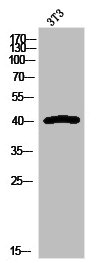
The antibody against PEX7 was raised in rabbit using the Synthesized peptide derived from the Internal region of Human Peroxin 7. as the immunogen. This antibody exists as a non-conjugated isotype IgG. The antibody was affinity-purified from rabbit antiserum by affinity-chromatography using epitope-specific immunogen. This antibody has been validated on WB, IHC, ELISA.

ADC-34715A

The antibody against PEX7 was raised in rabbit using the Synthesized peptide derived from the Internal region of Human Peroxin 7. as the immunogen. This antibody exists as a non-conjugated isotype IgG. The antibody was affinity-purified from rabbit antiserum by affinity-chromatography using epitope-specific immunogen. This antibody has been validated on WB, IHC, ELISA.

$167.00

Number
Order Exclusive Products Now

Request a Quote
High Purity LevelsPrecision and ReliabilityCustomization Options

Specifications


Cat.No ADC-34715A ClonalityPolyclonal
Host SpeciesRabbitTarget NamePEX7
FormLiquidSpecies ReactivityHuman, Mouse, Rat
IsotypeIgGStorage Buffer0.5% BSA and 0.02% sodium azide., Liquid in PBS containing 50% glycerol
Purification MethodThe antibody was affinity-purified from rabbit antiserum by affinity-chromatography using epitope-specific immunogen.ConjugateNon-conjugated
ApplicationELISA, IHC, WBStorageUpon receipt

Immunogen Information


Immunogen DescriptionSynthesized peptide derived from the Internal region of Human Peroxin 7.Target SpeciesHuman
Immunogen SequenceComplete sequences for the immunogen, target protein, and peptides are available upon request.Uniprot IDO00628
Background Information
  • Uniprot Id

    O00628

  • Target Species

    Human

  • Target Name

    PEX7

  • Target Full Name

    Peroxisomal targeting signal 2 receptor

  • Target Function

    Binds to the N-terminal PTS2-type peroxisomal targeting signal and plays an essential role in peroxisomal protein import.

  • Target Involvement

    Peroxisome biogenesis disorder complementation group 11 (PBD-CG11); Rhizomelic chondrodysplasia punctata 1 (RCDP1); Peroxisome biogenesis disorder 9B (PBD9B)

  • Target Subcellular Location

    Peroxisome. Cytoplasm.

  • Target Protein Families

    WD repeat peroxin-7 family

  • Target Tissue Specificity

    Ubiquitous. Highest expression in pancreas, skeletal muscle and heart.

  • Target Synonyms

    PBD9B; PCDP1; Peroxin 7; Peroxin-7; Peroxisomal PTS2 receptor; Peroxisomal targeting signal 2 receptor; Peroxisome biogenesis factor 7; Peroxisome targeting signal 2 receptor; PEX7; PEX7 protein; PEX7_HUMAN; PTS2 receptor; PTS2R; RCDP1; RD

  • Target Background

    This gene encodes the cytosolic receptor for the set of peroxisomal matrix enzymes targeted to the organelle by the peroxisome targeting signal 2 (PTS2). Defects in this gene cause peroxisome biogenesis disorders (PBDs), which are characterized by multiple defects in peroxisome function. There are at least 14 complementation groups for PBDs, with more than one phenotype being observed in cases falling into particular complementation groups. Although the clinical features of PBD patients vary, cells from all PBD patients exhibit a defect in the import of one or more classes of peroxisomal matrix proteins into the organelle. Defects in this gene have been associated with PBD complementation group 11 (PBD-CG11) disorders, rhizomelic chondrodysplasia punctata type 1 (RCDP1), and Refsum disease (RD).

Inquire Rabbit anti-Human PEX7 Polyclonal Antibody Now


AbTriva respects your privacy and protects your personal data in accordance with AbTriva. For more information, please see our data protection statement. *

Notification