• Contact info@abtriva.com for inquiries and orders.
  • Chinese (Simplified)

  • English

  • German

  • Korean

  • Spanish

United States (English / $ USD)

Rabbit anti-Human OPRD1 Polyclonal Antibody

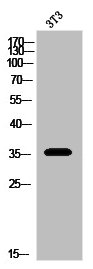
The antibody against OPRD1 was raised in rabbit using the Synthesized peptide derived from the C-terminal region of Human DOR-1. as the immunogen. This antibody exists as a non-conjugated isotype IgG. The antibody was affinity-purified from rabbit antiserum by affinity-chromatography using epitope-specific immunogen. This antibody has been validated on WB, ELISA.

ADC-34835A

The antibody against OPRD1 was raised in rabbit using the Synthesized peptide derived from the C-terminal region of Human DOR-1. as the immunogen. This antibody exists as a non-conjugated isotype IgG. The antibody was affinity-purified from rabbit antiserum by affinity-chromatography using epitope-specific immunogen. This antibody has been validated on WB, ELISA.

$167.00

Number
Order Exclusive Products Now

Request a Quote
High Purity LevelsPrecision and ReliabilityCustomization Options

Specifications


Cat.No ADC-34835A ClonalityPolyclonal
Host SpeciesRabbitTarget NameOPRD1
Target SynonymsOPRD1; OPRD; Delta-type opioid receptor; D-OR-1; DOR-1FormLiquid
Species ReactivityHumanIsotypeIgG
Storage Buffer0.5% BSA and 0.02% sodium azide., Liquid in PBS containing 50% glycerolPurification MethodThe antibody was affinity-purified from rabbit antiserum by affinity-chromatography using epitope-specific immunogen.
ConjugateNon-conjugatedApplicationELISA, WB
StorageUpon receipt

Immunogen Information


Immunogen DescriptionSynthesized peptide derived from the C-terminal region of Human DOR-1.Target SpeciesHuman
Immunogen SequenceComplete sequences for the immunogen, target protein, and peptides are available upon request.Uniprot IDP41143
Background Information
  • Uniprot Id

    P41143

  • Target Species

    Human

  • Target Name

    OPRD1

  • Target Full Name

    Delta-type opioid receptor

  • Target Function

    G-protein coupled receptor that functions as receptor for endogenous enkephalins and for a subset of other opioids. Ligand binding causes a conformation change that triggers signaling via guanine nucleotide-binding proteins (G proteins) and modulates the activity of down-stream effectors, such as adenylate cyclase. Signaling leads to the inhibition of adenylate cyclase activity. Inhibits neurotransmitter release by reducing calcium ion currents and increasing potassium ion conductance. Plays a role in the perception of pain and in opiate-mediated analgesia. Plays a role in developing analgesic tolerance to morphine.

  • Target Subcellular Location

    Cell membrane; Multi-pass membrane protein.

  • Target Protein Families

    G-protein coupled receptor 1 family

  • Target Tissue Specificity

    Detected in oocytes (at protein level). Detected in brain cortex, hypothalamus, hippocampus and olfactory bulb. Detected in oocytes.

  • Target Research Area

    Others

  • Target Synonyms

    OPRD1; OPRD; Delta-type opioid receptor; D-OR-1; DOR-1

  • Target Background

    Enables G protein-coupled enkephalin receptor activity. Involved in several processes, including G protein-coupled opioid receptor signaling pathway; cellular response to hypoxia; and positive regulation of peptidyl-serine phosphorylation. Is intrinsic component of plasma membrane.

Inquire Rabbit anti-Human OPRD1 Polyclonal Antibody Now


AbTriva respects your privacy and protects your personal data in accordance with AbTriva. For more information, please see our data protection statement. *

Notification