• Contact info@abtriva.com for inquiries and orders.
  • Chinese (Simplified)

  • English

  • German

  • Korean

  • Spanish

United States (English / $ USD)

HTR2C Recombinant Monoclonal Antibody

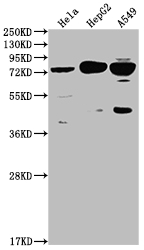
The recombinant antibody against HTR2C was produced using a synthesized peptide derived from human 5HT2C Receptor as the immunogen. This antibody exists as a non-conjugated isotype Rabbit IgG, Affinity-chromatography purified. This antibody has been validated on ELISA, WB, IHC.

ADC-56950A

The recombinant antibody against HTR2C was produced using a synthesized peptide derived from human 5HT2C Receptor as the immunogen. This antibody exists as a non-conjugated isotype Rabbit IgG, Affinity-chromatography purified. This antibody has been validated on ELISA, WB, IHC.

$350.00

Number
Order Exclusive Products Now

Request a Quote
High Purity LevelsPrecision and ReliabilityCustomization Options

Specifications


Cat.No ADC-56950A ClonalityMonoclonal
Target NameHTR2CTarget SynonymsHTR2C; HTR1C; 5-hydroxytryptamine receptor 2C; 5-HT-2C; 5-HT2C; 5-HTR2C; 5-hydroxytryptamine receptor 1C; 5-HT-1C; 5-HT1C; Serotonin receptor 2C
FormLiquidSpecies ReactivityHuman
IsotypeRabbit IgGStorage BufferPH 7.4, 0.02% sodium azide and 50% glycerol., 150mM NaCl, Rabbit IgG in phosphate buffered saline
Purification MethodAffinity-chromatography purifiedConjugateNon-conjugated
ApplicationELISA, IHC, WBStorageUpon receipt

Immunogen Information


Immunogen DescriptionA synthesized peptide derived from human 5HT2C ReceptorTarget SpeciesHuman
Immunogen SequenceComplete sequences for the immunogen, target protein, and peptides are available upon request.Uniprot IDP28335
Background Information
  • Uniprot Id

    P28335

  • Target Species

    Human

  • Target Name

    HTR2C

  • Target Full Name

    5-hydroxytryptamine receptor 2C

  • Target Function

    G-protein coupled receptor for 5-hydroxytryptamine (serotonin). Also functions as a receptor for various drugs and psychoactive substances, including ergot alkaloid derivatives, 1-2,5,-dimethoxy-4-iodophenyl-2-aminopropane (DOI) and lysergic acid diethylamide (LSD). Ligand binding causes a conformation change that triggers signaling via guanine nucleotide-binding proteins (G proteins) and modulates the activity of down-stream effectors. Beta-arrestin family members inhibit signaling via G proteins and mediate activation of alternative signaling pathways. Signaling activates a phosphatidylinositol-calcium second messenger system that modulates the activity of phosphatidylinositol 3-kinase and down-stream signaling cascades and promotes the release of Ca(2+) ions from intracellular stores. Regulates neuronal activity via the activation of short transient receptor potential calcium channels in the brain, and thereby modulates the activation of pro-opiomelacortin neurons and the release of CRH that then regulates the release of corticosterone. Plays a role in the regulation of appetite and eating behavior, responses to anxiogenic stimuli and stress. Plays a role in insulin sensitivity and glucose homeostasis.

  • Target Subcellular Location

    Cell membrane; Multi-pass membrane protein.

  • Target Protein Families

    G-protein coupled receptor 1 family

  • Target Tissue Specificity

    Detected in brain.

  • Target Synonyms

    HTR2C; HTR1C; 5-hydroxytryptamine receptor 2C; 5-HT-2C; 5-HT2C; 5-HTR2C; 5-hydroxytryptamine receptor 1C; 5-HT-1C; 5-HT1C; Serotonin receptor 2C

  • Target Background

    This gene encodes a seven-transmembrane G-protein-coupled receptor. The encoded protein responds to signaling through the neurotransmitter serotonin. The mRNA of this gene is subject to multiple RNA editing events, where adenosine residues encoded by the genome are converted to inosines. RNA editing is predicted to alter the structure of the second intracellular loop, thereby generating alternate protein forms with decreased ability to interact with G proteins. Abnormalities in RNA editing of this gene have been detected in victims of suicide that suffer from depression. In addition, naturally-occuring variation in the promoter and 5' non-coding and coding regions of this gene may show statistically-significant association with mental illness and behavioral disorders. Alternative splicing results in multiple different transcript variants.

Inquire HTR2C Recombinant Monoclonal Antibody Now


AbTriva respects your privacy and protects your personal data in accordance with AbTriva. For more information, please see our data protection statement. *

Notification