• Contact info@abtriva.com for inquiries and orders.
  • Chinese (Simplified)

  • English

  • German

  • Korean

  • Spanish

United States (English / $ USD)

Rabbit anti-Human ACADL Polyclonal Antibody

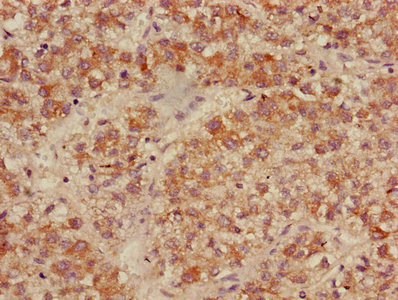
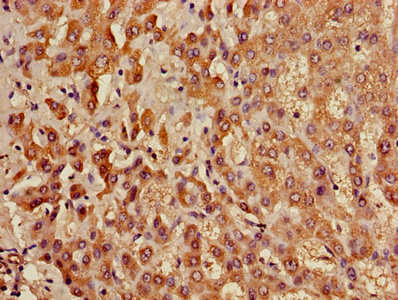
The antibody against ACADL was raised in rabbit using the Recombinant Human Long-chain specific acyl-CoA dehydrogenase, mitochondrial protein (30-260AA) as the immunogen. This antibody exists as a non-conjugated isotype IgG, purified by protein G with a purity greater than 95%. This antibody has been validated on ELISA, WB, IHC.

ADC-25296A

The antibody against ACADL was raised in rabbit using the Recombinant Human Long-chain specific acyl-CoA dehydrogenase, mitochondrial protein (30-260AA) as the immunogen. This antibody exists as a non-conjugated isotype IgG, purified by protein G with a purity greater than 95%. This antibody has been validated on ELISA, WB, IHC.

$299.00

Number
Order Exclusive Products Now

Request a Quote
High Purity LevelsPrecision and ReliabilityCustomization Options

Specifications


Cat.No ADC-25296A ClonalityPolyclonal
Host SpeciesRabbitTarget NameACADL
FormLiquidSpecies ReactivityHuman, Mouse
IsotypeIgGStorage Buffer0.01M PBS, 0.03% Proclin 300; Constituents: 50% Glycerol, PH 7.4
Purification Method>95%, Protein G purifiedConjugateNon-conjugated
ApplicationELISA, IHC, WBStorageUpon receipt

Immunogen Information


Immunogen DescriptionRecombinant Human Long-chain specific acyl-CoA dehydrogenase, mitochondrial protein (30-260AA)Target SpeciesHuman
Immunogen SequenceComplete sequences for the immunogen, target protein, and peptides are available upon request.Uniprot IDP28330
Background Information
  • Uniprot Id

    P28330

  • Target Species

    Human

  • Target Name

    ACADL

  • Target Full Name

    Long-chain specific acyl-CoA dehydrogenase, mitochondrial

  • Target Function

    Long-chain specific acyl-CoA dehydrogenase is one of the acyl-CoA dehydrogenases that catalyze the first step of mitochondrial fatty acid beta-oxidation, an aerobic process breaking down fatty acids into acetyl-CoA and allowing the production of energy from fats. The first step of fatty acid beta-oxidation consists in the removal of one hydrogen from C-2 and C-3 of the straight-chain fatty acyl-CoA thioester, resulting in the formation of trans-2-enoyl-CoA. Among the different mitochondrial acyl-CoA dehydrogenases, long-chain specific acyl-CoA dehydrogenase can act on saturated and unsaturated acyl-CoAs with 6 to 24 carbons with a preference for 8 to 18 carbons long primary chains.

  • Target Involvement

    Acyl-CoA dehydrogenase very long-chain deficiency (ACADVLD)

  • Target Subcellular Location

    Mitochondrion matrix.

  • Target Protein Families

    Acyl-CoA dehydrogenase family

  • Target Synonyms

    ACAD4; ACADL; ACADL_HUMAN; Acyl Coenzyme A dehydrogenase long chain; Acyl-CoA dehydrogenase long chain; FLJ94052; LCAD; Long chain acyl CoA dehydrogenase; Long-chain specific acyl-CoA dehydrogenase; mitochondrial

  • Target Background

    The protein encoded by this gene belongs to the acyl-CoA dehydrogenase family, which is a family of mitochondrial flavoenzymes involved in fatty acid and branched chain amino-acid metabolism. This protein is one of the four enzymes that catalyze the initial step of mitochondrial beta-oxidation of straight-chain fatty acid. Defects in this gene are the cause of long-chain acyl-CoA dehydrogenase (LCAD) deficiency, leading to nonketotic hypoglycemia.

Inquire Rabbit anti-Human ACADL Polyclonal Antibody Now


AbTriva respects your privacy and protects your personal data in accordance with AbTriva. For more information, please see our data protection statement. *

Notification