• Contact info@abtriva.com for inquiries and orders.
  • Chinese (Simplified)

  • English

  • German

  • Korean

  • Spanish

United States (English / $ USD)

Rabbit anti-Human ADH5 Polyclonal Antibody

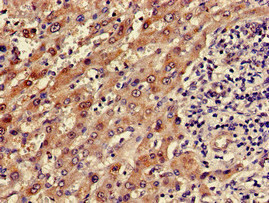
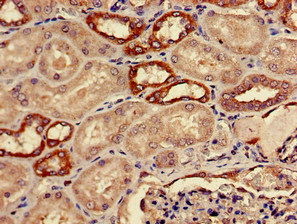
The antibody against ADH5 was raised in rabbit using the Recombinant Human Alcohol dehydrogenase class-3 protein (14-130AA) as the immunogen. This antibody exists as a non-conjugated isotype IgG, purified by protein G with a purity greater than 95%. This antibody has been validated on ELISA, WB, IHC, IF.

ADC-12866A

The antibody against ADH5 was raised in rabbit using the Recombinant Human Alcohol dehydrogenase class-3 protein (14-130AA) as the immunogen. This antibody exists as a non-conjugated isotype IgG, purified by protein G with a purity greater than 95%. This antibody has been validated on ELISA, WB, IHC, IF.

$299.00

Number
Order Exclusive Products Now

Request a Quote
High Purity LevelsPrecision and ReliabilityCustomization Options

Specifications


Cat.No ADC-12866A ClonalityPolyclonal
Host SpeciesRabbitTarget NameADH5
FormLiquidSpecies ReactivityHuman, Rat
IsotypeIgGStorage Buffer0.01M PBS, 0.03% Proclin 300; Constituents: 50% Glycerol, PH 7.4
Purification Method>95%, Protein G purifiedConjugateNon-conjugated
ApplicationELISA, IF, IHC, WBStorageUpon receipt

Immunogen Information


Immunogen DescriptionRecombinant Human Alcohol dehydrogenase class-3 protein (14-130AA)Target SpeciesHuman
Immunogen SequenceComplete sequences for the immunogen, target protein, and peptides are available upon request.Uniprot IDP11766
Background Information
  • Uniprot Id

    P11766

  • Target Species

    Human

  • Target Name

    ADH5

  • Target Full Name

    Alcohol dehydrogenase class-3

  • Target Function

    Catalyzes the oxidation of long-chain primary alcohols and the oxidation of S-(hydroxymethyl) glutathione. Also oxidizes long chain omega-hydroxy fatty acids, such as 20-HETE, producing both the intermediate aldehyde, 20-oxoarachidonate and the end product, a dicarboxylic acid, (5Z,8Z,11Z,14Z)-eicosatetraenedioate. Class-III ADH is remarkably ineffective in oxidizing ethanol.

  • Target Subcellular Location

    Cytoplasm.

  • Target Protein Families

    Zinc-containing alcohol dehydrogenase family, Class-III subfamily

  • Target Research Area

    Metabolism

  • Target Synonyms

    ADH 3; ADH5; ADHX ; ADHX_HUMAN; Alcohol dehydrogenase (class III) chi polypeptide; alcohol dehydrogenase 5 (class III) chi polypeptide; Alcohol dehydrogenase 5; Alcohol dehydrogenase class 3; Alcohol dehydrogenase class chi chain; Alcohol dehydrogenase class III ; Alcohol dehydrogenase class-3; Alcohol dehydrogenase class-III; class III alcohol dehydrogenase 5 chi subunit ; FALDH; FDH; formaldehyde dehydrogenase; Glutathione dependent formaldehyde dehydrogenase; Glutathione-dependent formaldehyde dehydrogenase; GSH-FDH; GSNOR; hydroxymethyllutathione dehydrogenase; S-(hydroxymethyl)glutathione dehydrogenase

  • Target Background

    This gene encodes a member of the alcohol dehydrogenase family. Members of this family metabolize a wide variety of substrates, including ethanol, retinol, other aliphatic alcohols, hydroxysteroids, and lipid peroxidation products. The encoded protein forms a homodimer. It has virtually no activity for ethanol oxidation, but exhibits high activity for oxidation of long-chain primary alcohols and for oxidation of S-hydroxymethyl-glutathione, a spontaneous adduct between formaldehyde and glutathione. This enzyme is an important component of cellular metabolism for the elimination of formaldehyde, a potent irritant and sensitizing agent that causes lacrymation, rhinitis, pharyngitis, and contact dermatitis. The human genome contains several non-transcribed pseudogenes related to this gene.

Inquire Rabbit anti-Human ADH5 Polyclonal Antibody Now


AbTriva respects your privacy and protects your personal data in accordance with AbTriva. For more information, please see our data protection statement. *

Notification