• Contact info@abtriva.com for inquiries and orders.
  • Chinese (Simplified)

  • English

  • German

  • Korean

  • Spanish

United States (English / $ USD)

Rabbit anti-Human ALDH3A1 Polyclonal Antibody

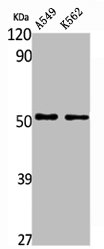
The antibody against ALDH3A1 was raised in rabbit using the Synthesized peptide derived from the Internal region of Human ALDH3A1. as the immunogen. This antibody exists as a non-conjugated isotype IgG. The antibody was affinity-purified from rabbit antiserum by affinity-chromatography using epitope-specific immunogen. This antibody has been validated on WB, ELISA.

ADC-37321A

The antibody against ALDH3A1 was raised in rabbit using the Synthesized peptide derived from the Internal region of Human ALDH3A1. as the immunogen. This antibody exists as a non-conjugated isotype IgG. The antibody was affinity-purified from rabbit antiserum by affinity-chromatography using epitope-specific immunogen. This antibody has been validated on WB, ELISA.

$167.00

Number
Order Exclusive Products Now

Request a Quote
High Purity LevelsPrecision and ReliabilityCustomization Options

Specifications


Cat.No ADC-37321A ClonalityPolyclonal
Host SpeciesRabbitTarget NameALDH3A1
Target Synonymsmember 1 antibody; Aldehyde dehydrogenase isozyme 3 antibody; Aldehyde dehydrogenase type III antibody; ALDH 3 antibody; ALDH 3A1 antibody; ALDH III antibody; ALDH, subfamily AFormLiquid
Species ReactivityHuman, RatIsotypeIgG
Storage Buffer0.5% BSA and 0.02% sodium azide., Liquid in PBS containing 50% glycerolPurification MethodThe antibody was affinity-purified from rabbit antiserum by affinity-chromatography using epitope-specific immunogen.
ConjugateNon-conjugatedApplicationELISA, WB
StorageUpon receipt

Immunogen Information


Immunogen DescriptionSynthesized peptide derived from the Internal region of Human ALDH3A1.Target SpeciesHuman
Immunogen SequenceComplete sequences for the immunogen, target protein, and peptides are available upon request.Uniprot IDP30838
Background Information
  • Uniprot Id

    P30838

  • Target Species

    Human

  • Target Name

    ALDH3A1

  • Target Full Name

    Aldehyde dehydrogenase, dimeric NADP-preferring

  • Target Function

    ALDHs play a major role in the detoxification of alcohol-derived acetaldehyde (Probable). They are involved in the metabolism of corticosteroids, biogenic amines, neurotransmitters, and lipid peroxidation (Probable). Oxidizes medium and long chain aldehydes into non-toxic fatty acids. Preferentially oxidizes aromatic aldehyde substrates. Comprises about 50 percent of corneal epithelial soluble proteins. May play a role in preventing corneal damage caused by ultraviolet light.

  • Target Subcellular Location

    Cytoplasm.

  • Target Protein Families

    Aldehyde dehydrogenase family

  • Target Tissue Specificity

    High levels in stomach, esophagus and lung; low level in the liver and kidney.

  • Target Synonyms

    Acetaldehyde dehydrogenase 3; AHD 4; AHD C; AHD4; AHDC; AL3A1_HUMAN; Aldehyde dehydrogenase 3; Aldehyde dehydrogenase 3 family member A1 ; Aldehyde dehydrogenase 3A1; Aldehyde dehydrogenase; Aldehyde dehydrogenase class 3; Aldehyde dehydrogenase dimeric NADP preferring; Aldehyde dehydrogenase family 3 member A1; Aldehyde dehydrogenase family 3 subfamily A1; Aldehyde dehydrogenase family 3, subfamily A, member 1; Aldehyde dehydrogenase isozyme 3; Aldehyde dehydrogenase type III; ALDH 3; ALDH 3A1; ALDH III; ALDH, stomach type; ALDH3 A1; ALDH3; ALDH3A 1; Aldh3a1; ALDHIII; dimeric NADP-preferring; MGC10406; Stomach aldehyde dehydrogenase; Tumor associated aldehyde dehydrogenase tumor ALDH

  • Target Background

    Aldehyde dehydrogenases oxidize various aldehydes to the corresponding acids. They are involved in the detoxification of alcohol-derived acetaldehyde and in the metabolism of corticosteroids, biogenic amines, neurotransmitters, and lipid peroxidation. The enzyme encoded by this gene forms a cytoplasmic homodimer that preferentially oxidizes aromatic and medium-chain (6 carbons or more) saturated and unsaturated aldehyde substrates. It is thought to promote resistance to UV and 4-hydroxy-2-nonenal-induced oxidative damage in the cornea. The gene is located within the Smith-Magenis syndrome region on chromosome 17. Multiple alternatively spliced variants, encoding the same protein, have been identified.

Inquire Rabbit anti-Human ALDH3A1 Polyclonal Antibody Now


AbTriva respects your privacy and protects your personal data in accordance with AbTriva. For more information, please see our data protection statement. *

Notification