-
Chinese (Simplified)
-
English
-
German
-
Korean
-
Spanish
Chinese (Simplified)
English
German
Korean
Spanish
Sign up for an account to enjoy easy online shopping and instant order tracking.
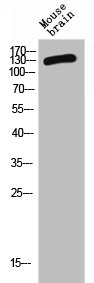
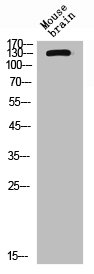
The antibody against CD101 was raised in rabbit using the Synthesized peptide derived from the Internal region of Human CD101. as the immunogen. This antibody exists as a non-conjugated isotype IgG. The antibody was affinity-purified from rabbit antiserum by affinity-chromatography using epitope-specific immunogen. This antibody has been validated on WB, ELISA.
$167.00
| Cat.No | ADC-36777A | Clonality | Polyclonal |
|---|---|---|---|
| Host Species | Rabbit | Target Name | CD101 |
| Form | Liquid | Species Reactivity | Human |
| Isotype | IgG | Storage Buffer | 0.5% BSA and 0.02% sodium azide., Liquid in PBS containing 50% glycerol |
| Purification Method | The antibody was affinity-purified from rabbit antiserum by affinity-chromatography using epitope-specific immunogen. | Conjugate | Non-conjugated |
| Application | ELISA, WB | Storage | Upon receipt |
| Immunogen Description | Synthesized peptide derived from the Internal region of Human CD101. | Target Species | Human |
|---|---|---|---|
| Immunogen Sequence | Complete sequences for the immunogen, target protein, and peptides are available upon request. | Uniprot ID | Q93033 |
Uniprot Id
Q93033
Target Species
Human
Target Name
CD101
Target Full Name
Immunoglobulin superfamily member 2
Target Function
Plays a role as inhibitor of T-cells proliferation induced by CD3. Inhibits expression of IL2RA on activated T-cells and secretion of IL2. Inhibits tyrosine kinases that are required for IL2 production and cellular proliferation. Inhibits phospholipase C-gamma-1/PLCG1 phosphorylation and subsequent CD3-induced changes in intracellular free calcium. Prevents nuclear translocation of nuclear factor of activated T-cell to the nucleus. Plays a role in the inhibition of T-cell proliferation via IL10 secretion by cutaneous dendritic cells. May be a marker of CD4(+) CD56(+) leukemic tumor cells.
Target Subcellular Location
Membrane; Single-pass type I membrane protein.
Target Tissue Specificity
Expressed in lung, thymus and small intestine. Detected in cutaneous dendritic cells, activated T-cells, monocytes and granulocytes as well as with epithelial cells with dendritic morphology. Expressed in some leukemic cells, the CD4(+) CD56(+) blastic tu
Target Synonyms
CD101; EWI101; IGSF2; V7Immunoglobulin superfamily member 2; IgSF2; Cell surface glycoprotein V7; Glu-Trp-Ile EWI motif-containing protein 101; EWI-101; CD antigen CD101
Target Background
Predicted to enable hydrolase activity, acting on carbon-nitrogen (but not peptide) bonds, in cyclic amides. Predicted to be involved in cell surface receptor signaling pathway. Predicted to act upstream of or within positive regulation of myeloid leukocyte differentiation. Located in extracellular exosome.
Notification