• Contact info@abtriva.com for inquiries and orders.
  • Chinese (Simplified)

  • English

  • German

  • Korean

  • Spanish

United States (English / $ USD)

mouse anti-Human CD59 monoclonal antibody

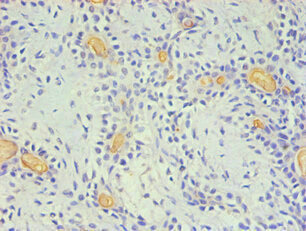
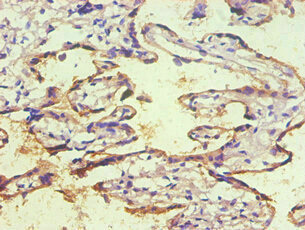
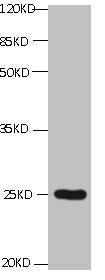
The antibody against CD59 was raised in mouse using the Recombinant CD59 Protein as the immunogen. This antibody exists as a non-conjugated isotype IgG1, purified by protein G purifed . This antibody has been validated on ELISA, WB, IHC.

ADC-55489A

The antibody against CD59 was raised in mouse using the Recombinant CD59 Protein as the immunogen. This antibody exists as a non-conjugated isotype IgG1, purified by protein G purifed . This antibody has been validated on ELISA, WB, IHC.

$350.00

Number
Order Exclusive Products Now

Request a Quote
High Purity LevelsPrecision and ReliabilityCustomization Options

Specifications


Cat.No ADC-55489A ClonalityMonoclonal
Host SpeciesMouseTarget NameCD59
FormLiquidSpecies ReactivityHuman
IsotypeIgG1Storage Buffer0.01M PBS, 0.03% Proclin 300; Constituents: 50% Glycerol, PH 7.4
Purification Method>95%, Protein G purifiedConjugateNon-conjugated
ApplicationELISA, IHC, WBStorageUpon receipt

Immunogen Information


Immunogen DescriptionRecombinant CD59 ProteinTarget SpeciesHuman
Immunogen SequenceComplete sequences for the immunogen, target protein, and peptides are available upon request.Uniprot IDP13987
Background Information
  • Uniprot Id

    P13987

  • Target Species

    Human

  • Target Name

    CD59

  • Target Full Name

    CD59 glycoprotein

  • Target Function

    Potent inhibitor of the complement membrane attack complex (MAC) action. Acts by binding to the C8 and/or C9 complements of the assembling MAC, thereby preventing incorporation of the multiple copies of C9 required for complete formation of the osmolytic pore. This inhibitor appears to be species-specific. Involved in signal transduction for T-cell activation complexed to a protein tyrosine kinase.; The soluble form from urine retains its specific complement binding activity, but exhibits greatly reduced ability to inhibit MAC assembly on cell membranes.

  • Target Involvement

    Hemolytic anemia, CD59-mediated, with or without polyneuropathy (HACD59)

  • Target Subcellular Location

    Cell membrane; Lipid-anchor, GPI-anchor. Secreted. Note=Soluble form found in a number of tissues.

  • Target Research Area

    Cardiovascular

  • Target Synonyms

    16.3A5; 1F5 ; 1F5 antigen; 20 kDa homologous restriction factor; CD 59; CD_antigen=CD59; CD59; CD59 antigen; CD59 antigen complement regulatory protein ; CD59 antigen p18 20 ; CD59 antigen p18-20 (antigen identified by monoclonal antibodies 16.3A5; EJ16; EJ30; EL32 and G344); CD59 glycoprotein; CD59 molecule; CD59 molecule complement regulatory protein; CD59_HUMAN; Cd59a; Complement regulatory protein; EJ16; EJ30; EL32; FLJ38134; FLJ92039; G344; HRF 20; HRF-20; HRF20; Human leukocyte antigen MIC11 ; Ly 6 like protein ; Lymphocytic antigen CD59/MEM43 ; MAC inhibitory protein; MAC IP; MAC-inhibitory protein; MAC-IP; MACIF; MACIP; MEM43; MEM43 antigen; Membrane attack complex (MAC) inhibition factor ; Membrane attack complex inhibition factor; Membrane inhibitor of reactive lysis; MGC2354; MIC11; MIN1; MIN2; MIN3; MIRL; MSK21; p18 20; Protectin; Surface antigen recognized by monoclonal 16.3A5; T cell activating protein

  • Target Background

    This gene encodes a cell surface glycoprotein that regulates complement-mediated cell lysis, and it is involved in lymphocyte signal transduction. This protein is a potent inhibitor of the complement membrane attack complex, whereby it binds complement C8 and/or C9 during the assembly of this complex, thereby inhibiting the incorporation of multiple copies of C9 into the complex, which is necessary for osmolytic pore formation. This protein also plays a role in signal transduction pathways in the activation of T cells. Mutations in this gene cause CD59 deficiency, a disease resulting in hemolytic anemia and thrombosis, and which causes cerebral infarction. Multiple alternatively spliced transcript variants, which encode the same protein, have been identified for this gene.

Inquire mouse anti-Human CD59 monoclonal antibody Now


AbTriva respects your privacy and protects your personal data in accordance with AbTriva. For more information, please see our data protection statement. *

Notification