• Contact info@abtriva.com for inquiries and orders.
  • Chinese (Simplified)

  • English

  • German

  • Korean

  • Spanish

United States (English / $ USD)

Rabbit anti-Human CEACAM6 Polyclonal Antibody

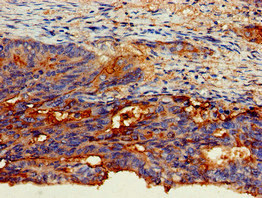
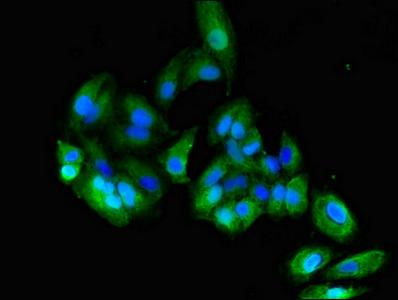
The antibody against CEACAM6 was raised in rabbit using the Recombinant Human Carcinoembryonic antigen-related cell adhesion molecule 6 protein (35-320AA) as the immunogen. This antibody exists as a non-conjugated isotype IgG, purified by protein G with a purity greater than 95%. This antibody has been validated on ELISA, IHC, IF.

ADC-11241A

The antibody against CEACAM6 was raised in rabbit using the Recombinant Human Carcinoembryonic antigen-related cell adhesion molecule 6 protein (35-320AA) as the immunogen. This antibody exists as a non-conjugated isotype IgG, purified by protein G with a purity greater than 95%. This antibody has been validated on ELISA, IHC, IF.

$299.00

Number
Order Exclusive Products Now

Request a Quote
High Purity LevelsPrecision and ReliabilityCustomization Options

Specifications


Cat.No ADC-11241A ClonalityPolyclonal
Host SpeciesRabbitTarget NameCEACAM6
FormLiquidSpecies ReactivityHuman
IsotypeIgGStorage Buffer0.01M PBS, 0.03% Proclin 300; Constituents: 50% Glycerol, PH 7.4
Purification Method>95%, Protein G purifiedConjugateNon-conjugated
ApplicationELISA, IF, IHCStorageUpon receipt

Immunogen Information


Immunogen DescriptionRecombinant Human Carcinoembryonic antigen-related cell adhesion molecule 6 protein (35-320AA)Target SpeciesHuman
Immunogen SequenceComplete sequences for the immunogen, target protein, and peptides are available upon request.Uniprot IDP40199
Background Information
  • Uniprot Id

    P40199

  • Target Species

    Human

  • Target Name

    CEACAM6

  • Target Full Name

    Cell adhesion molecule CEACAM6

  • Target Function

    Cell surface glycoprotein that plays a role in cell adhesion and tumor progression. Intercellular adhesion occurs in a calcium- and fibronectin-independent manner. Mediates homophilic and heterophilic cell adhesion with other carcinoembryonic antigen-related cell adhesion molecules, such as CEACAM5 and CEACAM8. Heterophilic interaction with CEACAM8 occurs in activated neutrophils. Plays a role in neutrophil adhesion to cytokine-activated endothelial cells. Plays a role as an oncogene by promoting tumor progression; positively regulates cell migration, cell adhesion to endothelial cells and cell invasion. Also involved in the metastatic cascade process by inducing gain resistance to anoikis of pancreatic adenocarcinoma and colorectal carcinoma cells.

  • Target Subcellular Location

    Cell membrane; Lipid-anchor, GPI-anchor. Apical cell membrane. Cell surface.

  • Target Protein Families

    Immunoglobulin superfamily, CEA family

  • Target Tissue Specificity

    Expressed in neutrophils. Expressed in columnar epithelial and goblet cells of the colon. Expressed in numerous tumor cell lines (at protein level).

  • Target Research Area

    Tags & Cell Markers

  • Target Synonyms

    Carcinoembryonic antigen related cell adhesion molecule 6 ; Carcinoembryonic antigen related cell adhesion molecule 6 (non specific cross reacting antigen); Carcinoembryonic antigen-related cell adhesion molecule 6; CD 66c; CD66c; CD66c antigen; CEA LIKE PROTEIN; CEACAM 6; CEACAM6; CEAL; CEAM6_HUMAN; MGC93832; NCA; Non specific cross reacting antigen; Non-specific crossreacting antigen; Normal cross reacting antigen; Normal cross-reacting antigen

  • Target Background

    This gene encodes a protein that belongs to the carcinoembryonic antigen (CEA) family whose members are glycosyl phosphatidyl inositol (GPI) anchored cell surface glycoproteins. Members of this family play a role in cell adhesion and are widely used as tumor markers in serum immunoassay determinations of carcinoma. This gene affects the sensitivity of tumor cells to adenovirus infection. The protein encoded by this gene acts as a receptor for adherent-invasive E. coli adhesion to the surface of ileal epithelial cells in patients with Crohn's disease. This gene is clustered with genes and pseudogenes of the cell adhesion molecules subgroup of the CEA family on chromosome 19.

Inquire Rabbit anti-Human CEACAM6 Polyclonal Antibody Now


AbTriva respects your privacy and protects your personal data in accordance with AbTriva. For more information, please see our data protection statement. *

Notification