• Contact info@abtriva.com for inquiries and orders.
  • Chinese (Simplified)

  • English

  • German

  • Korean

  • Spanish

United States (English / $ USD)

Rabbit anti-Human CHRNA9 Polyclonal Antibody

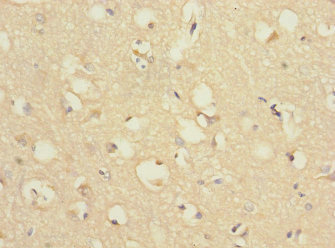
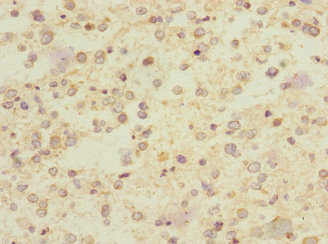
The antibody against CHRNA9 was raised in rabbit using the Recombinant Human Neuronal acetylcholine receptor subunit alpha-9 protein (26-240AA) as the immunogen. This antibody exists as a non-conjugated isotype IgG, Antigen affinity purified. This antibody has been validated on ELISA, IHC.

ADC-16453A

The antibody against CHRNA9 was raised in rabbit using the Recombinant Human Neuronal acetylcholine receptor subunit alpha-9 protein (26-240AA) as the immunogen. This antibody exists as a non-conjugated isotype IgG, Antigen affinity purified. This antibody has been validated on ELISA, IHC.

$299.00

Number
Order Exclusive Products Now

Request a Quote
High Purity LevelsPrecision and ReliabilityCustomization Options

Specifications


Cat.No ADC-16453A ClonalityPolyclonal
Host SpeciesRabbitTarget NameCHRNA9
Target SynonymsCHRNA9 antibody; NACHRA9Neuronal acetylcholine receptor subunit alpha-9 antibody; Nicotinic acetylcholine receptor subunit alpha-9 antibody; NACHR alpha-9 antibodyFormLiquid
Species ReactivityHumanIsotypeIgG
Storage Buffer50% Glycerol, PBS with 0.02% sodium azide, pH7.3.Purification MethodAntigen affinity purified
ConjugateNon-conjugatedApplicationELISA, IHC
StorageUpon receipt

Immunogen Information


Immunogen DescriptionRecombinant Human Neuronal acetylcholine receptor subunit alpha-9 protein (26-240AA)Target SpeciesHuman
Immunogen SequenceComplete sequences for the immunogen, target protein, and peptides are available upon request.Uniprot IDQ9UGM1
Background Information
  • Uniprot Id

    Q9UGM1

  • Target Species

    Human

  • Target Name

    CHRNA9

  • Target Full Name

    Neuronal acetylcholine receptor subunit alpha-9

  • Target Function

    Ionotropic receptor with a probable role in the modulation of auditory stimuli. Agonist binding induces a conformation change that leads to the opening of an ion-conducting channel across the plasma membrane. The channel is permeable to a range of divalent cations including calcium, the influx of which may activate a potassium current which hyperpolarizes the cell membrane. In the ear, this may lead to a reduction in basilar membrane motion, altering the activity of auditory nerve fibers and reducing the range of dynamic hearing. This may protect against acoustic trauma. May also regulate keratinocyte adhesion.

  • Target Subcellular Location

    Cell junction, synapse, postsynaptic cell membrane; Multi-pass membrane protein. Cell membrane; Multi-pass membrane protein.

  • Target Protein Families

    Ligand-gated ion channel (TC 1.A.9) family, Acetylcholine receptor (TC 1.A.9.1) subfamily, Alpha-9/CHRNA9 sub-subfamily

  • Target Tissue Specificity

    Expressed in cochlea, keratinocytes, pituitary gland, B-cells and T-cells.

  • Target Synonyms

    CHRNA9; NACHRA9Neuronal acetylcholine receptor subunit alpha-9; Nicotinic acetylcholine receptor subunit alpha-9; NACHR alpha-9

  • Target Background

    This gene is a member of the ligand-gated ionic channel family and nicotinic acetylcholine receptor gene superfamily. It encodes a plasma membrane protein that forms homo- or hetero-oligomeric divalent cation channels. This protein is involved in cochlea hair cell development and is also expressed in the outer hair cells (OHCs) of the adult cochlea.

Inquire Rabbit anti-Human CHRNA9 Polyclonal Antibody Now


AbTriva respects your privacy and protects your personal data in accordance with AbTriva. For more information, please see our data protection statement. *

Notification