• Contact info@abtriva.com for inquiries and orders.
  • Chinese (Simplified)

  • English

  • German

  • Korean

  • Spanish

United States (English / $ USD)

Rabbit anti-Human CTNND2 Polyclonal Antibody

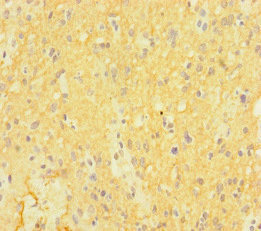
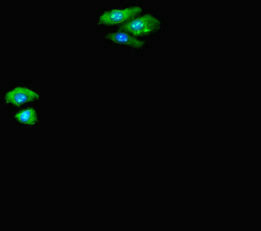
The antibody against CTNND2 was raised in rabbit using the Recombinant Human Catenin delta-2 protein (4-308AA) as the immunogen. This antibody exists as a non-conjugated isotype IgG, purified by protein G with a purity greater than 95%. This antibody has been validated on ELISA, IHC, IF.

ADC-14889A

The antibody against CTNND2 was raised in rabbit using the Recombinant Human Catenin delta-2 protein (4-308AA) as the immunogen. This antibody exists as a non-conjugated isotype IgG, purified by protein G with a purity greater than 95%. This antibody has been validated on ELISA, IHC, IF.

$299.00

Number
Order Exclusive Products Now

Request a Quote
High Purity LevelsPrecision and ReliabilityCustomization Options

Specifications


Cat.No ADC-14889A ClonalityPolyclonal
Host SpeciesRabbitTarget NameCTNND2
FormLiquidSpecies ReactivityHuman
IsotypeIgGStorage Buffer0.01M PBS, 0.03% Proclin 300; Constituents: 50% Glycerol, PH 7.4
Purification Method>95%, Protein G purifiedConjugateNon-conjugated
ApplicationELISA, IF, IHCStorageUpon receipt

Immunogen Information


Immunogen DescriptionRecombinant Human Catenin delta-2 protein (4-308AA)Target SpeciesHuman
Immunogen SequenceComplete sequences for the immunogen, target protein, and peptides are available upon request.Uniprot IDQ9UQB3
Background Information
  • Uniprot Id

    Q9UQB3

  • Target Species

    Human

  • Target Name

    CTNND2

  • Target Full Name

    Catenin delta-2

  • Target Function

    Has a critical role in neuronal development, particularly in the formation and/or maintenance of dendritic spines and synapses. Involved in the regulation of Wnt signaling. It probably acts on beta-catenin turnover, facilitating beta-catenin interaction with GSK3B, phosphorylation, ubiquitination and degradation. Functions as a transcriptional activator when bound to ZBTB33. May be involved in neuronal cell adhesion and tissue morphogenesis and integrity by regulating adhesion molecules.

  • Target Involvement

    Defects in CTNND2, including deleterious missense and copy number variants (CNVs) are involved in autism, a complex multifactorial, pervasive developmental disorder characterized by impairments in reciprocal social interaction and communication, restricted and stereotyped patterns of interests and activities, and the presence of developmental abnormalities by 3 years of age. Most individuals with autism also manifest moderate mental retardation.

  • Target Subcellular Location

    Nucleus. Cell junction, adherens junction. Cell projection, dendrite. Perikaryon.

  • Target Protein Families

    Beta-catenin family

  • Target Tissue Specificity

    Expressed in brain; highest expression is observed in fetal brain.

  • Target Synonyms

    ARM-repeat protein; Catenin (cadherin associated protein) delta 2; catenin (cadherin-associated protein); delta 2 (neural plakophilin-related arm-repeat protein); Catenin delta 2; Catenin delta-2; CTND2_HUMAN; CTNND 2; Ctnnd2; Delta catenin; Delta-catenin; GT 24; GT24; Neural plakophilin related arm repeat protein; Neural plakophilin related armadillo repeat protein; Neural plakophilin-related ARM-repeat protein; Neural plakophilin-related; Neurojungin; Neurojungin; NPRAP; T cell delta catenin

  • Target Background

    This gene encodes an adhesive junction associated protein of the armadillo/beta-catenin superfamily and is implicated in brain and eye development and cancer formation. The protein encoded by this gene promotes the disruption of E-cadherin based adherens junction to favor cell spreading upon stimulation by hepatocyte growth factor. This gene is overexpressed in prostate adenocarcinomas and is associated with decreased expression of tumor suppressor E-cadherin in this tissue. This gene resides in a region of the short arm of chromosome 5 that is deleted in Cri du Chat syndrome. Alternative splicing results in multiple transcript variants encoding different isoforms.

Inquire Rabbit anti-Human CTNND2 Polyclonal Antibody Now


AbTriva respects your privacy and protects your personal data in accordance with AbTriva. For more information, please see our data protection statement. *

Notification