• Contact info@abtriva.com for inquiries and orders.
  • Chinese (Simplified)

  • English

  • German

  • Korean

  • Spanish

United States (English / $ USD)

Rabbit anti-Human EIF4EBP2 Polyclonal Antibody

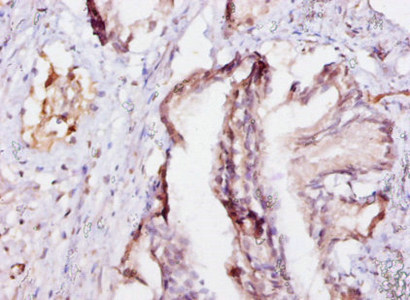
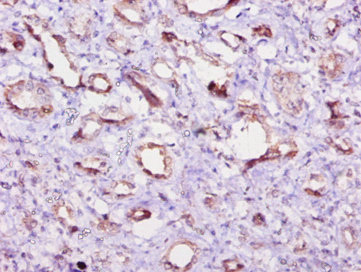
The antibody against EIF4EBP2 was raised in rabbit using the Recombinant Human Eukaryotic translation initiation factor 4E-binding protein 2 protein (1-120AA) as the immunogen. This antibody exists as a non-conjugated isotype IgG, purified by protein G with a purity greater than 95%. This antibody has been validated on ELISA, WB, IHC.

ADC-50655A

The antibody against EIF4EBP2 was raised in rabbit using the Recombinant Human Eukaryotic translation initiation factor 4E-binding protein 2 protein (1-120AA) as the immunogen. This antibody exists as a non-conjugated isotype IgG, purified by protein G with a purity greater than 95%. This antibody has been validated on ELISA, WB, IHC.

$299.00

Number
Order Exclusive Products Now

Request a Quote
High Purity LevelsPrecision and ReliabilityCustomization Options

Specifications


Cat.No ADC-50655A ClonalityPolyclonal
Host SpeciesRabbitTarget NameEIF4EBP2
FormLiquidSpecies ReactivityHuman, Mouse
IsotypeIgGStorage Buffer0.01M PBS, 0.03% Proclin 300; Constituents: 50% Glycerol, PH 7.4
Purification Method>95%, Protein G purifiedConjugateNon-conjugated
ApplicationELISA, IHC, WBStorageUpon receipt

Immunogen Information


Immunogen DescriptionRecombinant Human Eukaryotic translation initiation factor 4E-binding protein 2 protein (1-120AA)Target SpeciesHuman
Immunogen SequenceComplete sequences for the immunogen, target protein, and peptides are available upon request.Uniprot IDQ13542
Background Information
  • Uniprot Id

    Q13542

  • Target Species

    Human

  • Target Name

    EIF4EBP2

  • Target Full Name

    Eukaryotic translation initiation factor 4E-binding protein 2

  • Target Function

    Repressor of translation initiation involved in synaptic plasticity, learning and memory formation. Regulates EIF4E activity by preventing its assembly into the eIF4F complex: hypophosphorylated form of EIF4EBP2 competes with EIF4G1/EIF4G3 and strongly binds to EIF4E, leading to repress translation. In contrast, hyperphosphorylated form dissociates from EIF4E, allowing interaction between EIF4G1/EIF4G3 and EIF4E, leading to initiation of translation. EIF4EBP2 is enriched in brain and acts as a regulator of synapse activity and neuronal stem cell renewal via its ability to repress translation initiation. Mediates the regulation of protein translation by hormones, growth factors and other stimuli that signal through the MAP kinase and mTORC1 pathways.

  • Target Protein Families

    EIF4E-binding protein family

  • Target Research Area

    Transcription

  • Target Synonyms

    4E-BP2; 4EBP2; 4EBP2_HUMAN; eIF4E binding protein 2; eIF4E-binding protein 2; Eif4ebp2; Eukaryotic translation initiation factor 4E binding protein 1; Eukaryotic translation initiation factor 4E-binding protein 2; PHASII; phosphorylated; heat and acid stable regulated by insulin protein II

  • Target Background

    This gene encodes a member of the eukaryotic translation initiation factor 4E binding protein family. The gene products of this family bind eIF4E and inhibit translation initiation. However, insulin and other growth factors can release this inhibition via a phosphorylation-dependent disruption of their binding to eIF4E. Regulation of protein production through these gene products have been implicated in cell proliferation, cell differentiation and viral infection.

Inquire Rabbit anti-Human EIF4EBP2 Polyclonal Antibody Now


AbTriva respects your privacy and protects your personal data in accordance with AbTriva. For more information, please see our data protection statement. *

Notification