• Contact info@abtriva.com for inquiries and orders.
  • Chinese (Simplified)

  • English

  • German

  • Korean

  • Spanish

United States (English / $ USD)

Rabbit anti-Human F13A1 Polyclonal Antibody

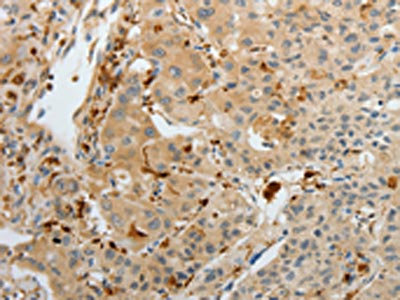
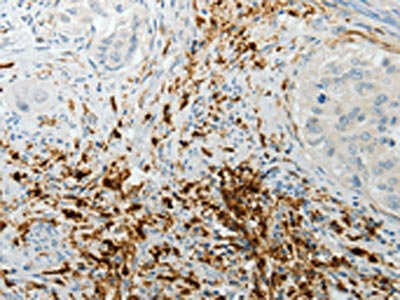
The antibody against F13A1 was raised in rabbit using the Fusion protein of Human F13A1 as the immunogen. This antibody exists as a non-conjugated isotype IgG, Antigen affinity purified. This antibody has been validated on ELISA, WB, IHC.

ADC-31280A

The antibody against F13A1 was raised in rabbit using the Fusion protein of Human F13A1 as the immunogen. This antibody exists as a non-conjugated isotype IgG, Antigen affinity purified. This antibody has been validated on ELISA, WB, IHC.

$299.00

Number
Order Exclusive Products Now

Request a Quote
High Purity LevelsPrecision and ReliabilityCustomization Options

Specifications


Cat.No ADC-31280A ClonalityPolyclonal
Host SpeciesRabbitTarget NameF13A1
FormLiquidSpecies ReactivityHuman, Mouse
IsotypeIgGStorage Buffer0.05% NaN3, 40% Glycerol., pH7.4 PBS
Purification MethodAntigen affinity purifiedConjugateNon-conjugated
ApplicationELISA, IHC, WBStorageUpon receipt

Immunogen Information


Immunogen DescriptionFusion protein of Human F13A1Target SpeciesHuman
Immunogen SequenceComplete sequences for the immunogen, target protein, and peptides are available upon request.Uniprot IDP00488
Background Information
  • Uniprot Id

    P00488

  • Target Species

    Human

  • Target Name

    F13A1

  • Target Full Name

    Coagulation factor XIII A chain

  • Target Function

    Factor XIII is activated by thrombin and calcium ion to a transglutaminase that catalyzes the formation of gamma-glutamyl-epsilon-lysine cross-links between fibrin chains, thus stabilizing the fibrin clot. Also cross-link alpha-2-plasmin inhibitor, or fibronectin, to the alpha chains of fibrin.

  • Target Involvement

    Factor XIII subunit A deficiency (FA13AD)

  • Target Subcellular Location

    Cytoplasm. Secreted. Note=Secreted into the blood plasma. Cytoplasmic in most tissues, but also secreted in the blood plasma.

  • Target Protein Families

    Transglutaminase superfamily, Transglutaminase family

  • Target Research Area

    Cardiovascular

  • Target Synonyms

    bA525O21.1 (coagulation factor XIII; A1 polypeptide); Coagulation factor XIII A chain; Coagulation factor XIII A1 polypeptide ; Coagulation factor XIII A1 subunit; Coagulation factor XIII; A polypeptide; Coagulation factor XIIIa; F13A; F13A_HUMAN; F13a1; Factor XIIIA; Fibrin stabilizing factor; A subunit; Fibrinoligase; FSF; A subunit; Protein glutamine gamma glutamyltransferase A chain ; Protein-glutamine gamma-glutamyltransferase A chain; TGase ; Transglutaminase A chain; Transglutaminase; plasma; Transglutaminase. plasma

  • Target Background

    This gene encodes the coagulation factor XIII A subunit. Coagulation factor XIII is the last zymogen to become activated in the blood coagulation cascade. Plasma factor XIII is a heterotetramer composed of 2 A subunits and 2 B subunits. The A subunits have catalytic function, and the B subunits do not have enzymatic activity and may serve as plasma carrier molecules. Platelet factor XIII is comprised only of 2 A subunits, which are identical to those of plasma origin. Upon cleavage of the activation peptide by thrombin and in the presence of calcium ion, the plasma factor XIII dissociates its B subunits and yields the same active enzyme, factor XIIIa, as platelet factor XIII. This enzyme acts as a transglutaminase to catalyze the formation of gamma-glutamyl-epsilon-lysine crosslinking between fibrin molecules, thus stabilizing the fibrin clot. It also crosslinks alpha-2-plasmin inhibitor, or fibronectin, to the alpha chains of fibrin. Factor XIII deficiency is classified into two categories: type I deficiency, characterized by the lack of both the A and B subunits; and type II deficiency, characterized by the lack of the A subunit alone. These defects can result in a lifelong bleeding tendency, defective wound healing, and habitual abortion.

Inquire Rabbit anti-Human F13A1 Polyclonal Antibody Now


AbTriva respects your privacy and protects your personal data in accordance with AbTriva. For more information, please see our data protection statement. *

Notification