-
Chinese (Simplified)
-
English
-
German
-
Korean
-
Spanish
Chinese (Simplified)
English
German
Korean
Spanish
Sign up for an account to enjoy easy online shopping and instant order tracking.
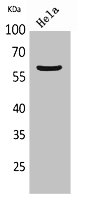
The antibody against FMO3 was raised in rabbit using the Synthesized peptide derived from the Internal region of Human FMO3. as the immunogen. This antibody exists as a non-conjugated isotype IgG. The antibody was affinity-purified from rabbit antiserum by affinity-chromatography using epitope-specific immunogen. This antibody has been validated on WB, ELISA.
$167.00
| Cat.No | ADC-36917A | Clonality | Polyclonal |
|---|---|---|---|
| Host Species | Rabbit | Target Name | FMO3 |
| Form | Liquid | Species Reactivity | Human |
| Isotype | IgG | Storage Buffer | 0.5% BSA and 0.02% sodium azide., Liquid in PBS containing 50% glycerol |
| Purification Method | The antibody was affinity-purified from rabbit antiserum by affinity-chromatography using epitope-specific immunogen. | Conjugate | Non-conjugated |
| Application | ELISA, WB | Storage | Upon receipt |
| Immunogen Description | Synthesized peptide derived from the Internal region of Human FMO3. | Target Species | Human |
|---|---|---|---|
| Immunogen Sequence | Complete sequences for the immunogen, target protein, and peptides are available upon request. | Uniprot ID | P31513 |
Uniprot Id
P31513
Target Species
Human
Target Name
FMO3
Target Full Name
Flavin-containing monooxygenase 3
Target Function
Essential hepatic enzyme that catalyzes the oxygenation of a wide variety of nitrogen- and sulfur-containing compounds including drugs as well as dietary compounds. Plays an important role in the metabolism of trimethylamine (TMA), via the production of trimethylamine N-oxide (TMAO) metabolite. TMA is generated by the action of gut microbiota using dietary precursors such as choline, choline containing compounds, betaine or L-carnitine. By regulating TMAO concentration, FMO3 directly impacts both platelet responsiveness and rate of thrombus formation.
Target Involvement
Trimethylaminuria (TMAU)
Target Subcellular Location
Microsome membrane; Single-pass membrane protein. Endoplasmic reticulum membrane; Single-pass membrane protein.
Target Protein Families
FMO family
Target Tissue Specificity
Liver.
Target Synonyms
Dimethylaniline monooxygenase [N oxide forming] 3; Dimethylaniline monooxygenase [N-oxide-forming] 3; Dimethylaniline monooxygenase 3; Dimethylaniline oxidase 3; dJ127D3.1; Flavin containing monooxygenase 3; FMO 3; FMO form 2; FMO II; FMO3; FMO3_HUMAN; FMOII; Hepatic flavin containing monooxygenase 3; Hepatic flavin-containing monooxygenase 3; MGC34400; TMAU; Trimethylamine monooxygenase
Target Background
Flavin-containing monooxygenases (FMO) are an important class of drug-metabolizing enzymes that catalyze the NADPH-dependent oxygenation of various nitrogen-, sulfur-, and phosphorous-containing xenobiotics such as therapeutic drugs, dietary compounds, pesticides, and other foreign compounds. The human FMO gene family is composed of 5 genes and multiple pseudogenes. FMO members have distinct developmental- and tissue-specific expression patterns. The expression of this FMO3 gene, the major FMO expressed in adult liver, can vary up to 20-fold between individuals. This inter-individual variation in FMO3 expression levels is likely to have significant effects on the rate at which xenobiotics are metabolised and, therefore, is of considerable interest to the pharmaceutical industry. This transmembrane protein localizes to the endoplasmic reticulum of many tissues. Alternative splicing of this gene results in multiple transcript variants encoding different isoforms. Mutations in this gene cause the disorder trimethylaminuria (TMAu) which is characterized by the accumulation and excretion of unmetabolized trimethylamine and a distinctive body odor. In healthy individuals, trimethylamine is primarily converted to the non odorous trimethylamine N-oxide.
Notification