• Contact info@abtriva.com for inquiries and orders.
  • Chinese (Simplified)

  • English

  • German

  • Korean

  • Spanish

United States (English / $ USD)

Rabbit anti-Human GPD1 Polyclonal Antibody

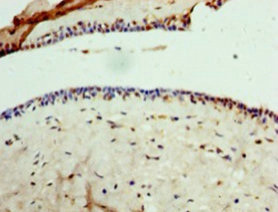
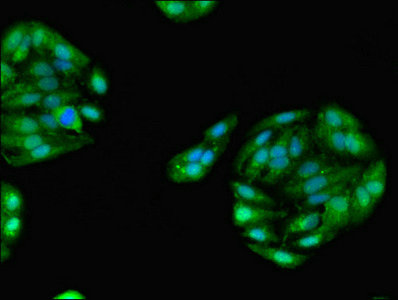
The antibody against GPD1 was raised in rabbit using the Recombinant Human Glycerol-3-phosphate dehydrogenase [NAD(+)], cytoplasmic protein (1-349AA) as the immunogen. This antibody exists as a non-conjugated isotype IgG, purified by protein G with a purity greater than 95%. This antibody has been validated on ELISA, IHC, IF.

ADC-45739A

The antibody against GPD1 was raised in rabbit using the Recombinant Human Glycerol-3-phosphate dehydrogenase [NAD(+)], cytoplasmic protein (1-349AA) as the immunogen. This antibody exists as a non-conjugated isotype IgG, purified by protein G with a purity greater than 95%. This antibody has been validated on ELISA, IHC, IF.

$299.00

Number
Order Exclusive Products Now

Request a Quote
High Purity LevelsPrecision and ReliabilityCustomization Options

Specifications


Cat.No ADC-45739A ClonalityPolyclonal
Host SpeciesRabbitTarget NameGPD1
Target Synonymscytoplasmic antibody; Glycerol-3-phosphate dehydrogenase 1 (soluble) antibody; Glycerol-3-phosphate dehydrogenase antibody; Glycerol-3-phosphate dehydrogenaseFormLiquid
Species ReactivityHumanIsotypeIgG
Storage Buffer0.01M PBS, 0.03% Proclin 300; Constituents: 50% Glycerol, PH 7.4Purification Method>95%, Protein G purified
ConjugateNon-conjugatedApplicationELISA, IF, IHC
StorageUpon receipt

Immunogen Information


Immunogen DescriptionRecombinant Human Glycerol-3-phosphate dehydrogenase [NAD(+)], cytoplasmic protein (1-349AA)Target SpeciesHuman
Immunogen SequenceComplete sequences for the immunogen, target protein, and peptides are available upon request.Uniprot IDP21695
Background Information
  • Uniprot Id

    P21695

  • Target Species

    Human

  • Target Name

    GPD1

  • Target Full Name

    Glycerol-3-phosphate dehydrogenase [NAD(+)], cytoplasmic

  • Target Function

    Has glycerol-3-phosphate dehydrogenase activity.

  • Target Involvement

    Hypertriglyceridemia, transient infantile (HTGTI)

  • Target Subcellular Location

    Cytoplasm.

  • Target Protein Families

    NAD-dependent glycerol-3-phosphate dehydrogenase family

  • Target Tissue Specificity

    Expressed in liver (at protein level).

  • Target Research Area

    Signal Transduction

  • Target Synonyms

    AI747587; cytoplasmic; EC 1.1.1.8; FLJ26652; G3PD; Gdc-1; Gdc1; Gdp1; Glycerol 3 phosphate dehydrogenase 1; Glycerol 3 phosphate dehydrogenase cytosolic; Glycerol 3 phosphate dehydrogenase soluble; Glycerol-3-phosphate dehydrogenase [NAD+]; Glycerol-3-phosphate dehydrogenase [NAD+], cytoplasmic; Glycerol-3-phosphate dehydrogenase 1 (soluble); Glycerol-3-phosphate dehydrogenase; Glycerol-3-phosphate dehydrogenase, soluble ; Glycerphosphate dehydrogenase; GPD-C; gpd1; Gpd1 protein; Gpd3; GPDA_HUMAN; Gpdc; GPDH; GPDH-C; Gpdhc; HTGTI; KIAA4010; MGC93453; MGPD; mKIAA4010

  • Target Background

    This gene encodes a member of the NAD-dependent glycerol-3-phosphate dehydrogenase family. The encoded protein plays a critical role in carbohydrate and lipid metabolism by catalyzing the reversible conversion of dihydroxyacetone phosphate (DHAP) and reduced nicotine adenine dinucleotide (NADH) to glycerol-3-phosphate (G3P) and NAD+. The encoded cytosolic protein and mitochondrial glycerol-3-phosphate dehydrogenase also form a glycerol phosphate shuttle that facilitates the transfer of reducing equivalents from the cytosol to mitochondria. Mutations in this gene are a cause of transient infantile hypertriglyceridemia. Alternatively spliced transcript variants encoding multiple isoforms have been observed for this gene.

Inquire Rabbit anti-Human GPD1 Polyclonal Antibody Now


AbTriva respects your privacy and protects your personal data in accordance with AbTriva. For more information, please see our data protection statement. *

Notification