• Contact info@abtriva.com for inquiries and orders.
  • Chinese (Simplified)

  • English

  • German

  • Korean

  • Spanish

United States (English / $ USD)

Rabbit anti-Human GSTM3 Polyclonal Antibody

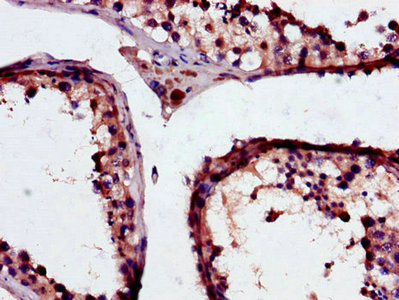
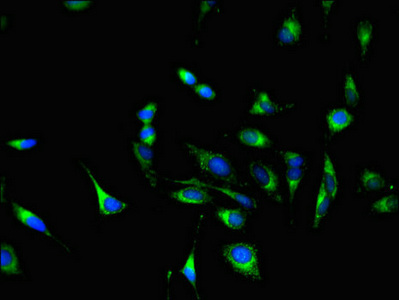
The antibody against GSTM3 was raised in rabbit using the Recombinant Human Glutathione S-transferase Mu 3 protein (1-225AA) as the immunogen. This antibody exists as a non-conjugated isotype IgG, purified by protein G with a purity greater than 95%. This antibody has been validated on ELISA, WB, IHC, IF.

ADC-14751A

The antibody against GSTM3 was raised in rabbit using the Recombinant Human Glutathione S-transferase Mu 3 protein (1-225AA) as the immunogen. This antibody exists as a non-conjugated isotype IgG, purified by protein G with a purity greater than 95%. This antibody has been validated on ELISA, WB, IHC, IF.

$299.00

Number
Order Exclusive Products Now

Request a Quote
High Purity LevelsPrecision and ReliabilityCustomization Options

Specifications


Cat.No ADC-14751A ClonalityPolyclonal
Host SpeciesRabbitTarget NameGSTM3
FormLiquidSpecies ReactivityHuman, Mouse
IsotypeIgGStorage Buffer0.01M PBS, 0.03% Proclin 300; Constituents: 50% Glycerol, PH 7.4
Purification Method>95%, Protein G purifiedConjugateNon-conjugated
ApplicationELISA, IF, IHC, WBStorageUpon receipt

Immunogen Information


Immunogen DescriptionRecombinant Human Glutathione S-transferase Mu 3 protein (1-225AA)Target SpeciesHuman
Immunogen SequenceComplete sequences for the immunogen, target protein, and peptides are available upon request.Uniprot IDP21266
Background Information
  • Uniprot Id

    P21266

  • Target Species

    Human

  • Target Name

    GSTM3

  • Target Full Name

    Glutathione S-transferase Mu 3

  • Target Function

    Conjugation of reduced glutathione to a wide number of exogenous and endogenous hydrophobic electrophiles. May govern uptake and detoxification of both endogenous compounds and xenobiotics at the testis and brain blood barriers.

  • Target Subcellular Location

    Cytoplasm.

  • Target Protein Families

    GST superfamily, Mu family

  • Target Tissue Specificity

    Testis and brain.

  • Target Research Area

    Metabolism

  • Target Synonyms

    brain GST; brain type mu glutathione S transferase; glutathione S alkyltransferase M3 ; glutathione S aryltransferase M3; glutathione S transferase M3 (brain); glutathione S transferase M3; Glutathione S transferase Mu 3 ; glutathione S transferase, Mu 3 ; Glutathione S-transferase Mu 3; GST class mu 3; GST class-mu 3; GST5; GSTB; Gstm3; GSTM3-3; GSTM3_HUMAN; GTM3; hGSTM3-3; MGC3310; MGC3704; S (hydroxyalkyl)glutathione lyase M3

  • Target Background

    Cytosolic and membrane-bound forms of glutathione S-transferase are encoded by two distinct supergene families. At present, eight distinct classes of the soluble cytoplasmic mammalian glutathione S-transferases have been identified: alpha, kappa, mu, omega, pi, sigma, theta and zeta. This gene encodes a glutathione S-transferase that belongs to the mu class. The mu class of enzymes functions in the detoxification of electrophilic compounds, including carcinogens, therapeutic drugs, environmental toxins and products of oxidative stress, by conjugation with glutathione. The genes encoding the mu class of enzymes are organized in a gene cluster on chromosome 1p13.3 and are known to be highly polymorphic. These genetic variations can change an individual's susceptibility to carcinogens and toxins as well as affect the toxicity and efficacy of certain drugs. Mutations of this class mu gene have been linked with a slight increase in a number of cancers, likely due to exposure with environmental toxins. Alternative splicing results in multiple transcript variants.

Inquire Rabbit anti-Human GSTM3 Polyclonal Antibody Now


AbTriva respects your privacy and protects your personal data in accordance with AbTriva. For more information, please see our data protection statement. *

Notification