-
Chinese (Simplified)
-
English
-
German
-
Korean
-
Spanish

Chinese (Simplified)
English
German
Korean
Spanish
Sign up for an account to enjoy easy online shopping and instant order tracking.
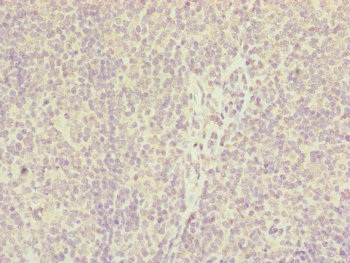
The antibody against IL36A was raised in rabbit using the Recombinant Human Interleukin-36 alpha protein (1-158AA) as the immunogen. This antibody exists as a non-conjugated isotype IgG, Antigen affinity purified. This antibody has been validated on ELISA, IHC.
$299.00
| Cat.No | ADC-16709A | Clonality | Polyclonal |
|---|---|---|---|
| Host Species | Rabbit | Target Name | IL36A |
| Form | Liquid | Species Reactivity | Human |
| Isotype | IgG | Storage Buffer | 50% Glycerol, PBS with 0.02% sodium azide, pH7.3. |
| Purification Method | Antigen affinity purified | Conjugate | Non-conjugated |
| Application | ELISA, IHC | Storage | Upon receipt |
| Immunogen Description | Recombinant Human Interleukin-36 alpha protein (1-158AA) | Target Species | Human |
|---|---|---|---|
| Immunogen Sequence | Complete sequences for the immunogen, target protein, and peptides are available upon request. | Uniprot ID | Q9UHA7 |
Uniprot Id
Q9UHA7
Target Species
Human
Target Name
IL36A
Target Full Name
Interleukin-36 alpha
Target Function
Cytokine that binds to and signals through the IL1RL2/IL-36R receptor which in turn activates NF-kappa-B and MAPK signaling pathways in target cells linked to a pro-inflammatory response. Part of the IL-36 signaling system that is thought to be present in epithelial barriers and to take part in local inflammatory response; similar to the IL-1 system with which it shares the coreceptor IL1RAP. Seems to be involved in skin inflammatory response by acting on keratinocytes, dendritic cells and indirectly on T-cells to drive tissue infiltration, cell maturation and cell proliferation. In cultured keratinocytes induces the expression of macrophage, T-cell, and neutrophil chemokines, such as CCL3, CCL4, CCL5, CCL2, CCL17, CCL22, CL20, CCL5, CCL2, CCL17, CCL22, CXCL8, CCL20 and CXCL1, and the production of proinflammatory cytokines such as TNF-alpha, IL-8 and IL-6. In cultured monocytes upregulates expression of IL-1A, IL-1B and IL-6. In myeloid dendritic cells involved in cell maturation by upregulating surface expression of CD83, CD86 and HLA-DR. In monocyte-derived dendritic cells facilitates dendritic cell maturation and drives T-cell proliferation. May play a role in proinflammatory effects in the lung.
Target Subcellular Location
Cytoplasm. Secreted.
Target Protein Families
IL-1 family
Target Tissue Specificity
Expressed in immune system and fetal brain, but not in other tissues tested or in multiple hematopoietic cell lines. Predominantly expressed in skin keratinocytes but not in fibroblasts, endothelial cells or melanocytes. Increased in lesional psoriasis sk
Target Research Area
Immunology
Target Synonyms
FIL1; FIL1 epsilon; FIL1(EPSILON); FIL1E; IL 1 epsilon; IL 1F6; IL 1H1; IL-1 epsilon; IL-1F6; IL1E; IL1F6; IL1F6_HUMAN; IL1RP2; IL36 alpha; IL36A; Interleukin 1 epsilon; Interleukin 1 family member 6 (epsilon); Interleukin 1 family member 6; Interleukin 36 alpha; Interleukin-1 epsilon; Interleukin-1 family member 6; MGC129552; MGC129553; MGC151479; MGC151481; OTTMUSP00000012798; RP23-176J12.4
Target Background
The protein encoded by this gene is a cytokine that can activate NF-kappa-B and MAPK signaling pathways to generate an inflammatory response. The encoded protein functions primarily in skin and demonstrates increased expression in psoriasis. In addition, decreased expression of this gene has been linked to a poor prognosis in both hepatocellular carcinoma and colorectal cancer patients.
Notification