• Contact info@abtriva.com for inquiries and orders.
  • Chinese (Simplified)

  • English

  • German

  • Korean

  • Spanish

United States (English / $ USD)

Rabbit anti-Human LEP Polyclonal Antibody

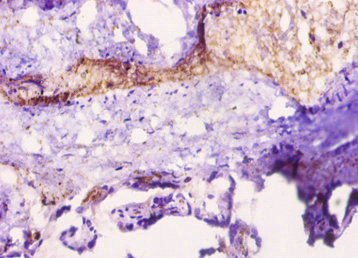
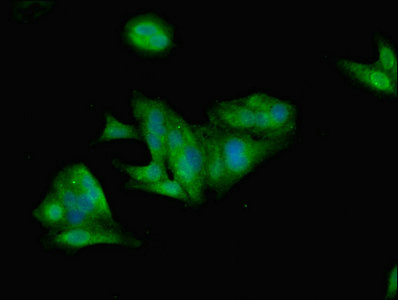
The antibody against LEP was raised in rabbit using the Recombinant Human Leptin protein (29-164AA) as the immunogen. This antibody exists as a non-conjugated isotype IgG, purified by protein G with a purity greater than 95%. This antibody has been validated on ELISA, IHC, IF.

ADC-50665A

The antibody against LEP was raised in rabbit using the Recombinant Human Leptin protein (29-164AA) as the immunogen. This antibody exists as a non-conjugated isotype IgG, purified by protein G with a purity greater than 95%. This antibody has been validated on ELISA, IHC, IF.

$299.00

Number
Order Exclusive Products Now

Request a Quote
High Purity LevelsPrecision and ReliabilityCustomization Options

Specifications


Cat.No ADC-50665A ClonalityPolyclonal
Host SpeciesRabbitTarget NameLEP
Target SynonymsFLJ94114 antibody; LEP antibody; LEP_HUMAN antibody; LEPD antibody; Leptin (murine obesity homolog) antibody; Leptin (obesity homolog, homolog of antibody; Obesity antibody; Obesity factor antibody; Obesity homolog mouse antibody; Obesity Murine Homolog Leptin antibody; OBS antibody; OTTHUMP00000212285 antibody, mouse, mouse) antibody; Leptin antibody; Leptin Murine Obesity Homolog antibody; Leptin Precursor Obesity Factor antibody; OB antibody; Obese protein antibody; ObeseFormLiquid
Species ReactivityHumanIsotypeIgG
Storage Buffer0.01M PBS, 0.03% Proclin 300; Constituents: 50% Glycerol, PH 7.4Purification Method>95%, Protein G purified
ConjugateNon-conjugatedApplicationELISA, IF, IHC
StorageUpon receipt

Immunogen Information


Immunogen DescriptionRecombinant Human Leptin protein (29-164AA)Target SpeciesHuman
Immunogen SequenceComplete sequences for the immunogen, target protein, and peptides are available upon request.Uniprot IDP41159
Background Information
  • Uniprot Id

    P41159

  • Target Species

    Human

  • Target Name

    LEP

  • Target Full Name

    Leptin

  • Target Function

    Key player in the regulation of energy balance and body weight control. Once released into the circulation, has central and peripheral effects by binding LEPR, found in many tissues, which results in the activation of several major signaling pathways. In the hypothalamus, acts as an appetite-regulating factor that induces a decrease in food intake and an increase in energy consumption by inducing anorexinogenic factors and suppressing orexigenic neuropeptides, also regulates bone mass and secretion of hypothalamo-pituitary-adrenal hormones. In the periphery, increases basal metabolism, influences reproductive function, regulates pancreatic beta-cell function and insulin secretion, is pro-angiogenic for endothelial cell and affects innate and adaptive immunity. In the arcuate nucleus of the hypothalamus, activates by depolarization POMC neurons inducing FOS and SOCS3 expression to release anorexigenic peptides and inhibits by hyperpolarization NPY neurons inducing SOCS3 with a consequent reduction on release of orexigenic peptides. In addition to its known satiety inducing effect, has a modulatory role in nutrient absorption. In the intestine, reduces glucose absorption by enterocytes by activating PKC and leading to a sequential activation of p38, PI3K and ERK signaling pathways which exerts an inhibitory effect on glucose absorption. Acts as a growth factor on certain tissues, through the activation of different signaling pathways increases expression of genes involved in cell cycle regulation such as CCND1, via JAK2-STAT3 pathway, or VEGFA, via MAPK1/3 and PI3K-AKT1 pathways. May also play an apoptotic role via JAK2-STAT3 pathway and up-regulation of BIRC5 expression. Pro-angiogenic, has mitogenic activity on vascular endothelial cells and plays a role in matrix remodeling by regulating the expression of matrix metalloproteinases (MMPs) and tissue inhibitors of metalloproteinases (TIMPs). In innate immunity, modulates the activity and function of neutrophils by increasing chemotaxis and the secretion of oxygen radicals. Increases phagocytosis by macrophages and enhances secretion of pro-inflammatory mediators. Increases cytotoxic ability of NK cells. Plays a pro-inflammatory role, in synergy with IL1B, by inducing NOS2 wich promotes the production of IL6, IL8 and Prostaglandin E2, through a signaling pathway that involves JAK2, PI3K, MAP2K1/MEK1 and MAPK14/p38. In adaptive immunity, promotes the switch of memory T-cells towards T helper-1 cell immune responses. Increases CD4(+)CD25(-) T-cell proliferation and reduces autophagy during TCR (T-cell receptor) stimulation, through MTOR signaling pathway activation and BCL2 up-regulation.

  • Target Involvement

    Leptin deficiency (LEPD)

  • Target Subcellular Location

    Secreted.

  • Target Protein Families

    Leptin family

  • Target Tissue Specificity

    Adipose tissue is the main source of leptin. It is also produced by other peripheral tissues such as the skeletal muscle. Expressed by intercalated and striated tracts of submandibular and parotid salivary gland intralobular ducts. Detected by fundic epit

  • Target Research Area

    Signal Transduction

  • Target Synonyms

    FLJ94114; LEP; LEP_HUMAN; LEPD; Leptin (murine obesity homolog); Leptin (obesity homolog, mouse); Leptin; Leptin Murine Obesity Homolog; Leptin Precursor Obesity Factor; OB; Obese protein; Obese, mouse, homolog of; Obesity; Obesity factor; Obesity homolog mouse; Obesity Murine Homolog Leptin; OBS; OTTHUMP00000212285

  • Target Background

    This gene encodes a protein that is secreted by white adipocytes into the circulation and plays a major role in the regulation of energy homeostasis. Circulating leptin binds to the leptin receptor in the brain, which activates downstream signaling pathways that inhibit feeding and promote energy expenditure. This protein also has several endocrine functions, and is involved in the regulation of immune and inflammatory responses, hematopoiesis, angiogenesis, reproduction, bone formation and wound healing. Mutations in this gene and its regulatory regions cause severe obesity and morbid obesity with hypogonadism in human patients. A mutation in this gene has also been linked to type 2 diabetes mellitus development.

Inquire Rabbit anti-Human LEP Polyclonal Antibody Now


AbTriva respects your privacy and protects your personal data in accordance with AbTriva. For more information, please see our data protection statement. *

Notification