• Contact info@abtriva.com for inquiries and orders.
  • Chinese (Simplified)

  • English

  • German

  • Korean

  • Spanish

United States (English / $ USD)

Rabbit anti-Human MID1 Polyclonal Antibody

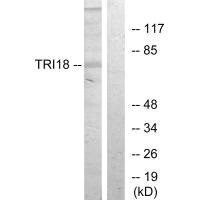
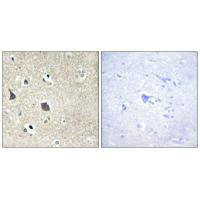
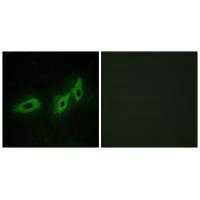
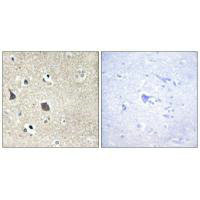
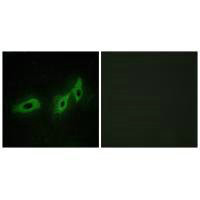
The antibody against MID1 was raised in rabbit using the Synthesized peptide derived from internal of Human TRI18. as the immunogen. The antibody was affinity-purified from rabbit antiserum by affinity-chromatography using epitope-specific immunogen. This antibody has been validated on ELISA, WB, IHC, IF.

ADC-42235A

The antibody against MID1 was raised in rabbit using the Synthesized peptide derived from internal of Human TRI18. as the immunogen. The antibody was affinity-purified from rabbit antiserum by affinity-chromatography using epitope-specific immunogen. This antibody has been validated on ELISA, WB, IHC, IF.

$297.00

Number
Order Exclusive Products Now

Request a Quote
High Purity LevelsPrecision and ReliabilityCustomization Options

Specifications


Cat.No ADC-42235A ClonalityPolyclonal
Host SpeciesRabbitTarget NameMID1
Target Synonymshomolog of antibody; Zinc finger X and Y antibody; ZNFXY antibody, mouseFormLiquid
Species ReactivityHuman, Mouse, RatStorage BufferPH 7.4, 0.02% sodium azide and 50% glycerol., 150mM NaCl, Rabbit IgG in phosphate buffered saline (without Mg2+ and Ca2+)
Purification MethodThe antibody was affinity-purified from rabbit antiserum by affinity-chromatography using epitope-specific immunogen.ApplicationELISA, IF, IHC, WB
StorageUpon receipt

Immunogen Information


Immunogen DescriptionSynthesized peptide derived from internal of Human TRI18.Target SpeciesHuman
Immunogen SequenceComplete sequences for the immunogen, target protein, and peptides are available upon request.Uniprot IDO15344
Background Information
  • Uniprot Id

    O15344

  • Target Species

    Human

  • Target Name

    MID1

  • Target Full Name

    E3 ubiquitin-protein ligase Midline-1

  • Target Function

    Has E3 ubiquitin ligase activity towards IGBP1, promoting its monoubiquitination, which results in deprotection of the catalytic subunit of protein phosphatase PP2A, and its subsequent degradation by polyubiquitination.

  • Target Involvement

    Opitz GBBB syndrome 1 (GBBB1)

  • Target Subcellular Location

    Cytoplasm. Cytoplasm, cytoskeleton. Cytoplasm, cytoskeleton, spindle. Note=Microtubule-associated. It is associated with microtubules throughout the cell cycle, co-localizing with cytoplasmic fibers in interphase and with the mitotic spindle and midbodies during mitosis and cytokinesis.

  • Target Protein Families

    TRIM/RBCC family

  • Target Tissue Specificity

    In the fetus, highest expression found in kidney, followed by brain and lung. Expressed at low levels in fetal liver. In the adult, most abundant in heart, placenta and brain.

  • Target Synonyms

    BBBG 1; BBBG1; E3 ubiquitin-protein ligase Midline-1; Finger on X and Y mouse homolog of; FXY; GBBB 1; GBBB1; MID 1; Mid1; Midin; Midline 1 (Opitz/BBB syndrome); Midline 1; Midline 1 ring finger; Midline 1 RING finger protein; Midline-1; Midline1; OGS 1; OGS1; OS; OSX; Putative transcription factor XPRF; RING finger protein 59; RING finger protein Midline-1; RNF 59; RNF59; TRI18; TRI18_HUMAN; TRIM 18; TRIM18; Tripartite motif containing protein 18; Tripartite motif protein TRIM18; Tripartite motif-containing protein 18; XPRF; zinc finger on X and Y, mouse, homolog of; Zinc finger X and Y; ZNFXY

  • Target Background

    The protein encoded by this gene is a member of the tripartite motif (TRIM) family, also known as the 'RING-B box-coiled coil' (RBCC) subgroup of RING finger proteins. The TRIM motif includes three zinc-binding domains, a RING, a B-box type 1 and a B-box type 2, and a coiled-coil region. This protein forms homodimers which associate with microtubules in the cytoplasm. The protein is likely involved in the formation of multiprotein structures acting as anchor points to microtubules. Mutations in this gene have been associated with the X-linked form of Opitz syndrome, which is characterized by midline abnormalities such as cleft lip, laryngeal cleft, heart defects, hypospadias, and agenesis of the corpus callosum. This gene was also the first example of a gene subject to X inactivation in human while escaping it in mouse. Alternative promoter use, alternative splicing and alternative polyadenylation result in multiple transcript variants that have different tissue specificities.

Inquire Rabbit anti-Human MID1 Polyclonal Antibody Now


AbTriva respects your privacy and protects your personal data in accordance with AbTriva. For more information, please see our data protection statement. *

Notification